

Issues
A network of eco-tourism providers operating in protected areas, desert reserves, coastal ecosystems, and mountain regions sought consulting support to strengthen sustainability practices, scale operations responsibly, and enhance market appeal. While the network offered meaningful nature-based experiences, it faced operational challenges and lacked a cohesive sustainability framework to guide long-term growth. With increasing demand for eco-tourism, the client aimed to modernize its business models while preserving environmental integrity.
Solution
We developed a sustainable business model enhancement program integrating environmental guidelines, operational standardization, digital tools, and market positioning. A sustainability framework was created to define carrying capacity, conservation protocols, waste reduction, and eco-friendly infrastructure design. Experience blueprints for hiking, wildlife observation, camping, and cultural eco-experiences were standardized to improve consistency and safety. Digital visibility was strengthened through content creation, online booking integration, and partnerships with eco-tourism platforms. Workforce capability-building enhanced interpretation skills, safety management, and environmental education techniques.
Approach
- Conducted environmental and operational diagnostics across priority eco-sites to identify key risks and improvement areas.
- Developed sustainability standards covering carrying capacity, conservation, waste management, and habitat protection.
- Created standardized experience templates linking environmental interpretation, cultural education, and safety management.
- Enhanced digital presence through improved visuals, destination stories, and integration with booking channels.
- Delivered training programs for guides focused on environmental interpretation, guest safety, and conservation practices.
- Introduced monitoring frameworks to track environmental and operational performance over time.
Recommendations
- Implement environmental standards across all eco-sites to ensure consistency and long-term ecological health.
- Strengthen visitor management through scheduled tours, controlled access, and capacity monitoring systems.
- Scale low-impact infrastructure such as eco-lodges, composting facilities, and renewable energy systems.
- Expand digital marketing to increase visibility among global eco-tourists and niche adventure communities.
- Build long-term partnerships with conservation groups and adventure travel organizations.
- Use environmental data to continuously refine operations, ensure compliance, and support sustainability storytelling.
Engagement ROI
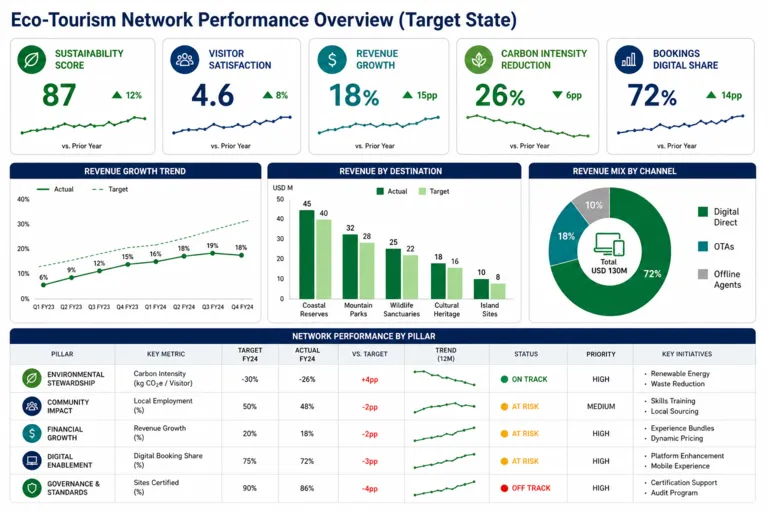
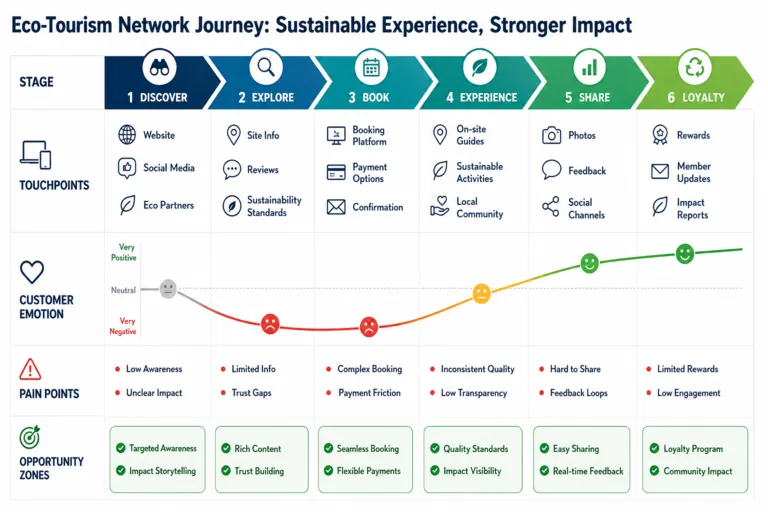
The engagement delivered strong environmental, operational, and commercial benefits. Environmental stress indicators decreased by up to 18% in areas where carrying capacity controls were implemented. Standardized eco-experience templates improved visitor satisfaction by approximately 22%, particularly regarding safety, interpretation quality, and nature immersion. Digital visibility enhancements contributed to a 35% increase in online inquiries and bookings. Workforce upskilling reduced incident rates and improved visitor feedback. Collectively, the initiative positioned the eco-tourism providers as credible, responsible stewards of natural heritage, enabling them to meet rising demand sustainably and competitively.
Talk to us for your needs in:
-
Tourism Infrastructure Planning and Optimization
-
Destination Marketing and Brand Strategy
-
Tourism Workforce Development and Training
-
Sustainable Tourism Solutions
-
Visitor Experience Enhancement and Engagement
-
Tourism Project Feasibility and Strategic Planning
-
Saudi Tourism Benchmarking