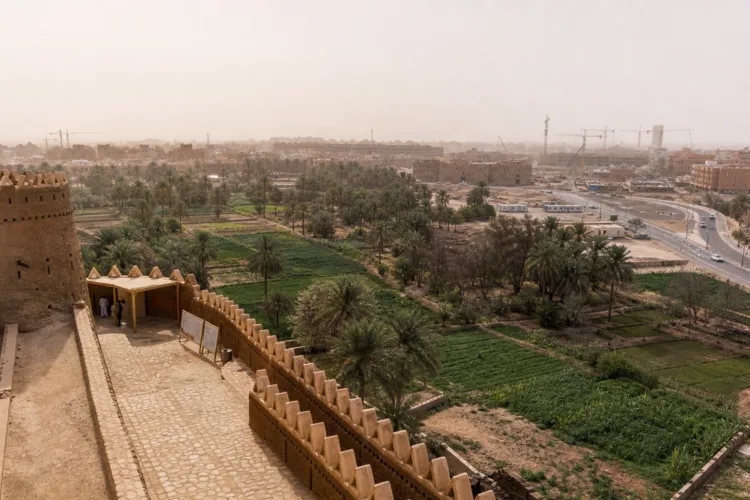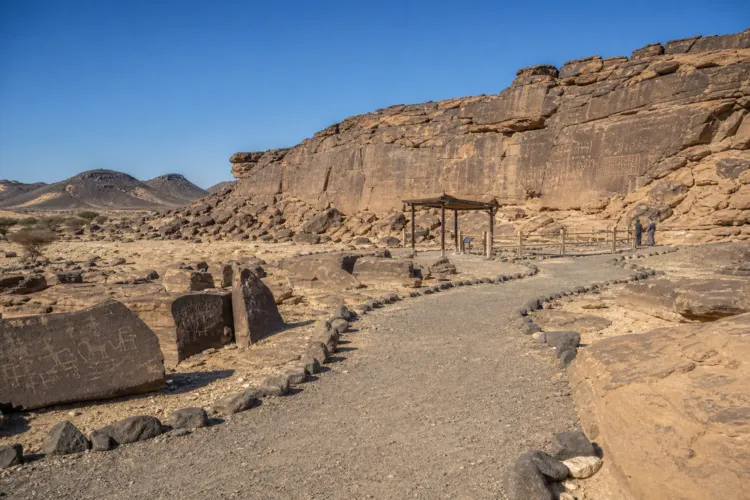
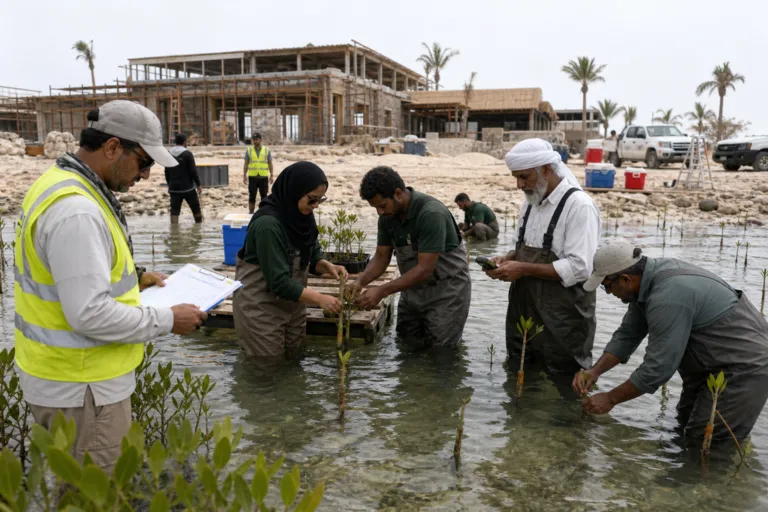
Red Sea Global describes itself as a PIF giga-project that is redefining luxury tourism through regenerative destinations and forward-thinking investment opportunities. It develops regenerative tourism destinations including The Red Sea and AMAALA on Saudi Arabia’s coast. The company says its developments are built on a commitment to regeneration, designed to ensure the natural environment is protected, restored, and enhanced for generations to come.
The investment case sits inside a large, fast-moving market context. A report released by Red Sea Global with partners including the Future Investment Initiative Institute highlights an anomaly: demand for eco-conscious travel is rising, but the tourism sector’s capacity to deliver genuinely regenerative experiences is lagging. The report argues for a shift away from sustainability as a minimum standard and toward regeneration as a proactive model that restores ecosystems and uplifts local communities.
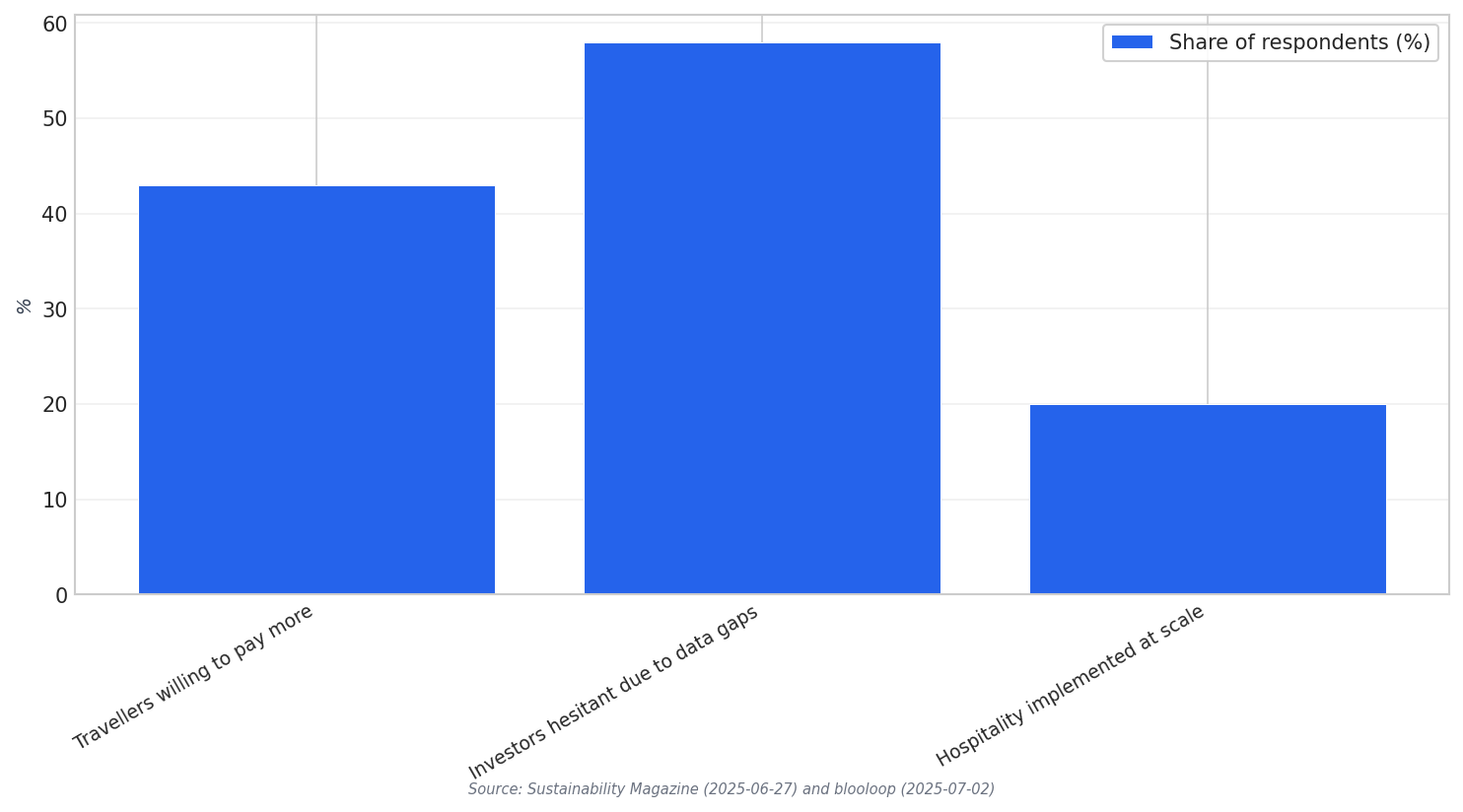
The same report provides signals investors can track. It says 43% of global travellers are willing to pay more for sustainable stays. Yet it also says only 20% of hospitality players have implemented regenerative tourism at scale, even though more than half understand the concept. On the capital side, 58% of investors remain hesitant due to lack of reliable data or proven case studies, despite a US$3tn market opportunity.
Why Measurement and Conservation Targets Can Protect Long-Term Value
Red Sea Global’s approach emphasizes science and data, aimed at improving investor confidence. In February 2026, it unveiled what Arab News called a “science-based model” aimed at achieving a 30% net-positive conservation benefit across its tourism destinations by 2040. The proprietary SIIG Model is described as a four-step framework that includes surveying to establish biodiversity baselines and monitor long-term changes, and identifying and assessing risks to priority habitats and species.
This focus also connects to resilience. Regenera Luxury argues that, in today’s geopolitical climate, regenerative tourism is increasingly about resilience, trust, and the protection of long-term destination value. It notes that geopolitical events can influence routes, insurance, investor sentiment, airline schedules, energy costs, and traveller psychology. In that framing, credibility starts when a masterplan accepts what should not be built, reinforcing a destination’s long-run positioning.
Zooming out, the opportunity ties to the broader blue economy and tourism footprint. The blue economy is valued at US$2.5tn and is forecast to double by 2030, and coastal and marine tourism already makes up more than 50% of total global tourism. Tourism contributed approximately US$9.9tn to global GDP in 2023, representing 9.1% of total GDP, underscoring why the sector can matter for reversing environmental degradation and social inequities if regenerative approaches are embraced. For investors assessing the red sea project saudi arabia, the logic is straightforward: measurable conservation ambition, backed by monitoring, can help convert demand into durable destination value.
What is Red Sea Global’s regenerative tourism approach?
How does the red sea project saudi arabia relate to investor value?
What demand signals support regenerative tourism investment?
Why are some investors hesitant about regenerative tourism?
What is the SIIG Model and what target does it support?
Talk to us for your needs in:
-
Tourism Infrastructure Planning and Optimization
-
Destination Marketing and Brand Strategy
-
Tourism Workforce Development and Training
-
Sustainable Tourism Solutions
-
Visitor Experience Enhancement and Engagement
-
Tourism Project Feasibility and Strategic Planning
-
Saudi Tourism Benchmarking