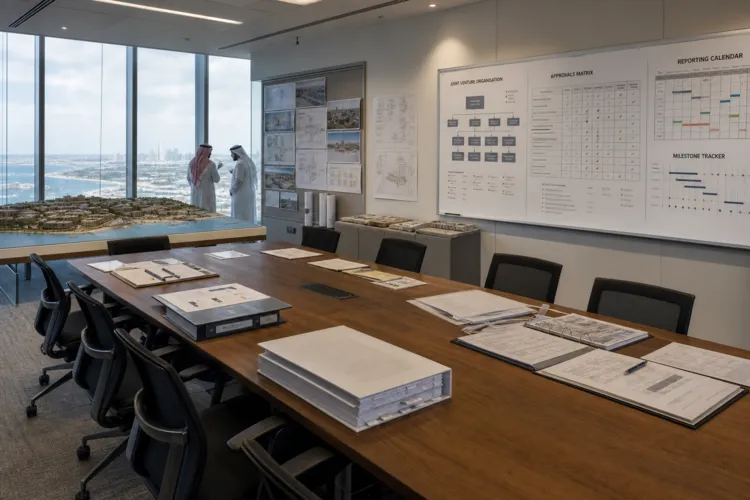
Saudi Arabia is positioning hospitality as a long-term value engine where tourism, culture, infrastructure, entertainment, and capital connect. In 2026 and beyond, investors are being pushed toward a more refined approach, not just a bigger pipeline. The Future Hospitality Summit (FHS) Saudi Arabia is set for 22–24 June 2026 at Mandarin Oriental Al Faisaliah, Riyadh, under the theme “Where Opportunity Meets Capital.”
Demand signals are already visible. Saudi Arabia recorded over 100 million domestic and international visitors in 2025. On the supply side, approximately 100,000 hotel rooms remain in the active development pipeline across the Kingdom. Separately, one report states that by 2026 Saudi Arabia aims to add 94,500 hotel rooms, reflecting the pace of planned openings tied to Vision 2030’s tourism push.
Where the 2026 Opportunity Concentrates
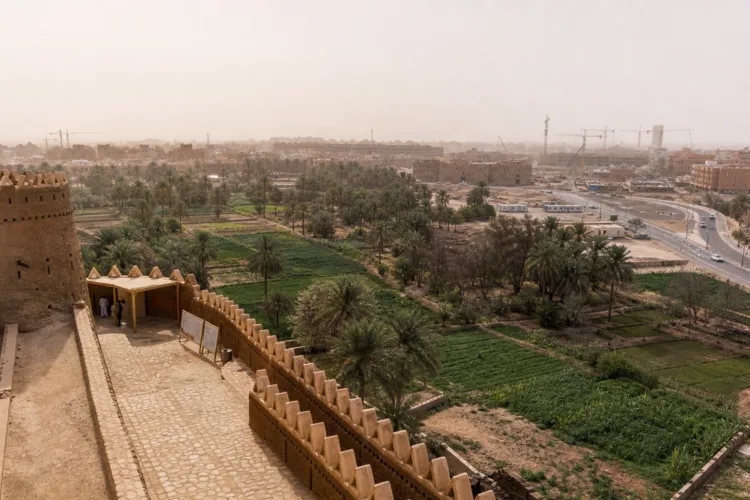
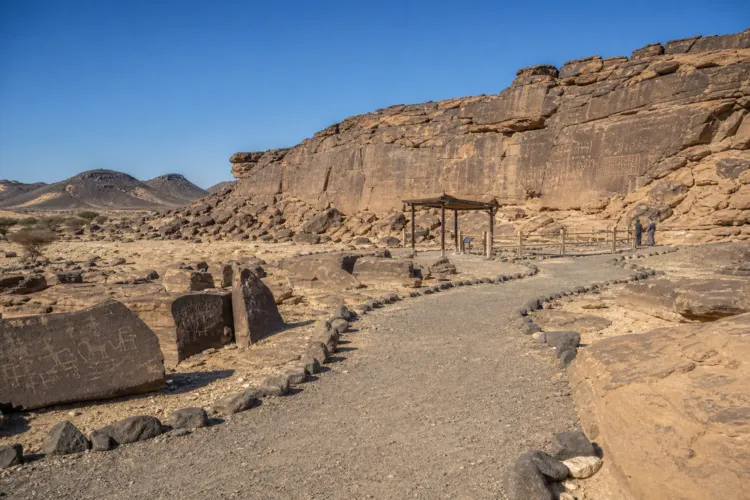
For saudi arabia hotel investment screening, growth is frequently described around strategic hubs. A 2026 tourism investment report highlights concentration in AlUla (heritage), the Red Sea Project (luxury leisure), and Riyadh (corporate and entertainment). Travel coverage also points to Riyadh as a fast-growing travel destination, supported by conferences, exhibitions, and international festivals, with hotel demand rising across price categories.
Recent openings illustrate the variety of product entering the market. DoubleTree by Hilton Madinah Gate opened in January 2026 in Madinah. SLS The Red Sea resort opened in February 2026 on Shura Island as a 150-key resort, described as part of a broader master plan integrating luxury hospitality with environmental preservation across marine ecosystems.
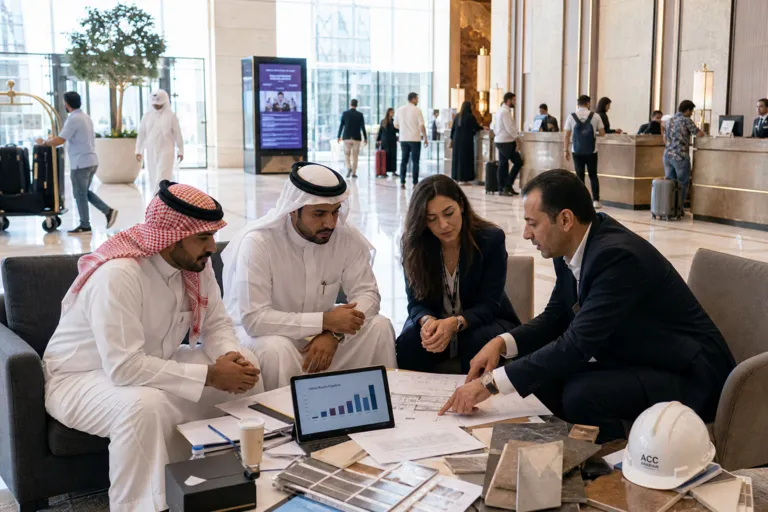
Investment strategy is also shifting. Ahead of FHS 2026, industry analysis describes Vision 2030 and young demographics reshaping strategies toward franchise models and midscale properties, alongside a strong emphasis on operational excellence. Another 2026 report frames the current phase as “commercial discipline,” with the Public Investment Fund increasingly focusing on projects with clear return potential and commercial sustainability, and with some developments being phased differently to avoid oversupply.
Execution risks and resilience factors sit side by side. Geopolitical tensions, including the Iran conflict, are cited as increasing aviation costs, insurance premiums, and supply chain volatility. At the same time, the same report notes religious tourism to Makkah and Madinah as a source of year-round occupancy resilience, while international brands including Hilton, Marriott, Kempinski, and Wyndham are maintaining long-term investment cycles. Workforce readiness is a recurring theme, including the Ministry of Tourism’s Secondment Program, which provides Saudi hospitality professionals with international training through leading global hotel brands.
What is the outlook for saudi arabia hotel investment in 2026?
Which Saudi destinations are highlighted as core hospitality investment hubs?
What operating models are being emphasized heading into 2026?
What risks are cited for hospitality investors in Saudi Arabia?
What is one concrete example of new hotel supply opening in early 2026?
Talk to us for your needs in:
-
Tourism Infrastructure Planning and Optimization
-
Destination Marketing and Brand Strategy
-
Tourism Workforce Development and Training
-
Sustainable Tourism Solutions
-
Visitor Experience Enhancement and Engagement
-
Tourism Project Feasibility and Strategic Planning
-
Saudi Tourism Benchmarking