Saudi Arabia’s Red Sea coast is being reshaped from a largely undeveloped natural frontier into a regulated tourism economy. ZAWYA describes a coastline stretching roughly 1,846 km from Haql to Jazan, holding about 1,150 of the Kingdom’s 1,285 islands and some of the world’s most biodiverse coral systems. That national context matters for the southern end of the coast too, because it connects nature assets to a clearer investment rulebook. The Saudi Red Sea Authority (SRSA) sits at the center of this shift as a regulator for navigational and maritime tourism activities in its geographical scope.
Demand signals are also getting stronger at the national level, which is the pool coastal destinations are positioned to capture. Saudi Arabia’s tourism sector reached SAR304 billion (about USD81 billion) in combined domestic and inbound spending in 2025, with roughly 123 million visitors and 29.3 million international arrivals, according to ZAWYA. Leisure travel is a growing driver too, accounting for about 52% of inbound overnight visits, up from 44% in 2019. For Jazan, this is the backdrop that makes a coastal-and-islands offering easier to sell alongside the Kingdom’s wider travel story.
Farasan’s Nature-and-Heritage Stack Meets New Development
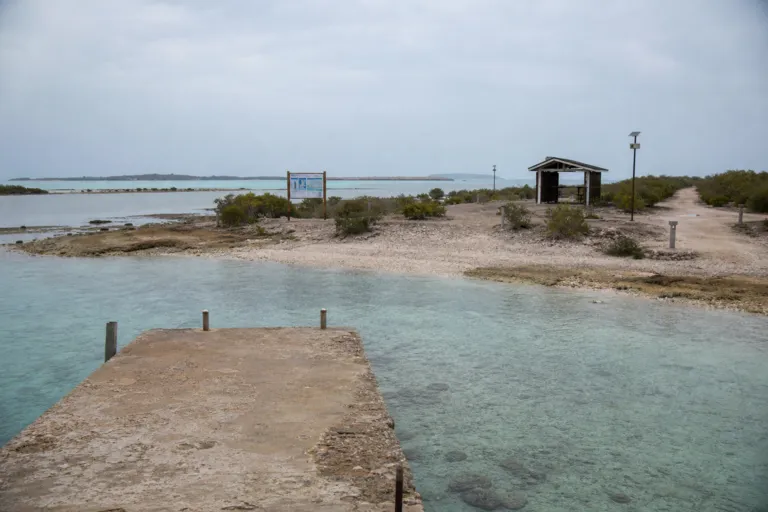
The Farasan Islands add specificity to the southern Red Sea proposition. Wikipedia describes the Farasan Islands as an archipelago located some 40 km (25 mi; 22 nmi) off the coast of Jizan, administratively forming the Farasan Islands Governorate of Jazan Province, with the capital in Farasan city on Great Farasan Island. It states the islands consist of nearly 200 islands and islets spread over a sea area of 1050 km2, and only three islands are inhabited: Great Farasan, Sajid, and Qummah. In 2021, the Islands Protected Area was designated a UNESCO Biosphere Reserve and is included on Saudi Arabia’s tentative list for World Heritage status, strengthening a conservation-first positioning that tourism projects must work within.
On-the-ground projects are being framed as a catalyst for investment interest. Travel And Tour World reports a SR546 million tourism boost linked to new development projects across Jazan and the Farasan Islands, including SR68 million in implementations targeting industrial sites and further infrastructure geared towards seamless tourism experiences. The same report says the Jazan Municipality plans to develop Farasan Island as its main tourist attraction and that officials point to partnerships with national organizations to sustain delicate ecosystems during development. This is where the topic of jazan tourism investment becomes practical: capital is being directed not only to hotels, but also to enabling works that can change what visitors can realistically do and where they can stay.
Regulation is the other side of the investability story. ZAWYA notes the SRSA issues licenses and permits and has issued eight regulations for navigational and maritime tourism activities. It has licensed marina operators, yacht-charter companies, and, for the first time in the Kingdom, beach operators, with requirements that embed safety, accessibility, and Blue Flag environmental benchmarks. That matters for Farasan-style destinations because marine experiences and coastal operations depend on defined standards and enforcement, especially when ecosystems are the product. In parallel, the national pipeline shows how Saudi coastal tourism is being scaled: AROYA carried more than 92,000 passengers in its first four operational months, while Cruise Saudi targets 1.33 million cruise passengers by 2037.
What makes Jazan and the Farasan Islands an “untapped” Red Sea tourism frontier?
How far are the Farasan Islands from Jizan, and how big is the archipelago?
What recent project funding has been reported for Jazan and Farasan tourism development?
How does regulation support the case for Jazan tourism investment along the Red Sea?
What national demand indicators suggest a larger visitor pool for coastal destinations?
Talk to us for your needs in:
-
Tourism Infrastructure Planning and Optimization
-
Destination Marketing and Brand Strategy
-
Tourism Workforce Development and Training
-
Sustainable Tourism Solutions
-
Visitor Experience Enhancement and Engagement
-
Tourism Project Feasibility and Strategic Planning
-
Saudi Tourism Benchmarking