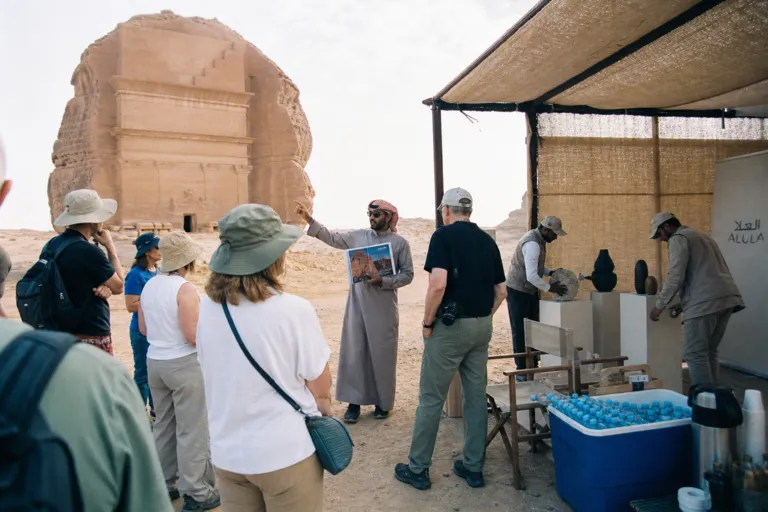
AlUla is framed in Vision 2030 as Saudi Arabia’s flagship cultural heritage giga-project. It pairs Hegra, the Kingdom’s first UNESCO World Heritage Site, with a tourism model often compared with Diriyah. For investors tracking alula tourism, this positioning matters because the destination is built around heritage preservation, curated experiences, and long-term value rather than mass-market scale.
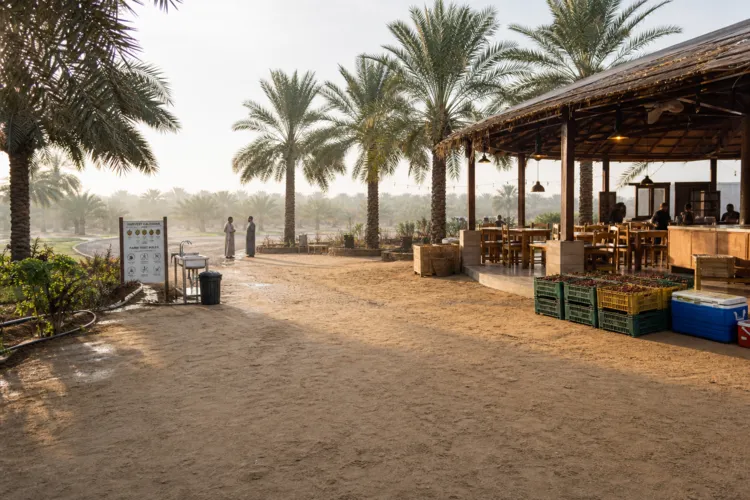
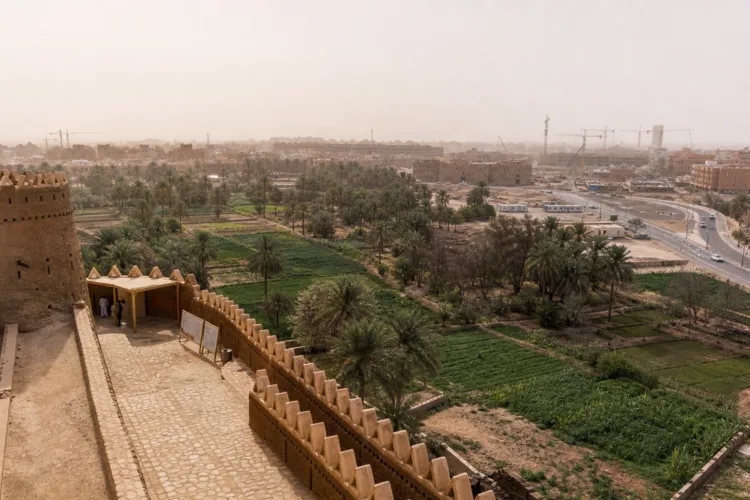
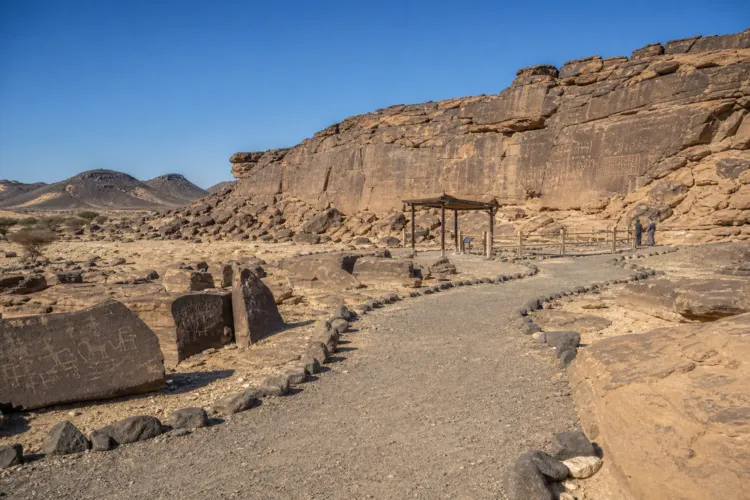
The place-based narrative is unusually deep. Sources describe AlUla as containing 200,000 years of recorded human habitation across roughly 22,561 square kilometres of sandstone canyons, palm oasis, basalt plateaus, and date-farming villages. Its core archaeological corridor stretches roughly 20 kilometres along a wadi. Key sites include Hegra; Dadan, dating from the ninth century BCE; Jabal Ikmah, an open-air library of more than 500 inscriptions; and AlUla Old Town with more than 900 mud-brick and stone houses occupied continuously until the 1980s.
Hospitality Pipeline Built for Premium Demand
Hospitality development is being described as experience-led. Hotelier Middle East reports that boutique resorts, wellness retreats, and heritage-inspired properties are planned with globally recognised brands such as Six Senses and Aman. The same source cites a SAR6.5 billion tourism investment pipeline and adds that this pipeline sits within a wider SAR41 billion portfolio of private-sector opportunities opening through Phase Two. It also notes an expectation of openings in 2026, including Hyatt Place AlUla and The Chedi Hegra, as AlUla moves into a more complex delivery phase.
A concrete example is NUMAJ, Autograph Collection. AlUla Development Company (UDC), a Public Investment Fund company, announced the start of construction on a 250-key hotel expected to open in 2027. It will be operated by Marriott International under Autograph Collection Hotels. The project is designed by GioForma, described as the architects behind Maraya, and includes five dining venues plus wellness, business, and leisure offerings. The same announcement states that NUMAJ is targeting LEED Gold, with practices such as greywater reuse for irrigation, locally sourced materials, UV-resistant glazing, water-efficient landscaping, and energy-conscious lighting aligned with AlUla’s Dark Sky policy.
Arts and culture are not treated as add-ons. PRNewswire describes AlUla as a year-round hub for culture, art, and lifestyle events, citing festivals such as Winter at Tantora and contemporary art installations at Desert X AlUla. Vogue Arabia highlights a retreat within the Nabatean Horizon District of the Journey Through Time masterplan that will feature 76 sculptural villas, a specialised spa focused on ancestral healing practices, and its own Sfer Ik museum dedicated to contemporary art and nature, with an opening date given as 2027.
Governance and delivery are also part of the investment story. The Royal Commission for AlUla (RCU) was established by royal decree in July 2017 with a mandate spanning archaeology, hospitality, agriculture, transport, environmental management, and resident services. Sources state it reports to the Crown Prince’s office. Abeer AlAkel was confirmed as CEO in 2024, and the commission expects its workforce to grow to 38,000 jobs by 2035 from roughly 2,728 at the time of the 2024 update. In parallel, partnerships like the 2026 campaign with Wego aim to guide travellers from discovery to booking flights, accommodation, and curated experiences, supporting demand for the destination’s evolving offer.
What makes alula tourism an investment opportunity?
Who governs AlUla’s development?
What is NUMAJ and why does it matter to hospitality investors?
How are arts and culture integrated into the destination offer?
What private-sector investment figures are cited for AlUla?
Talk to us for your needs in:
-
Tourism Infrastructure Planning and Optimization
-
Destination Marketing and Brand Strategy
-
Tourism Workforce Development and Training
-
Sustainable Tourism Solutions
-
Visitor Experience Enhancement and Engagement
-
Tourism Project Feasibility and Strategic Planning
-
Saudi Tourism Benchmarking