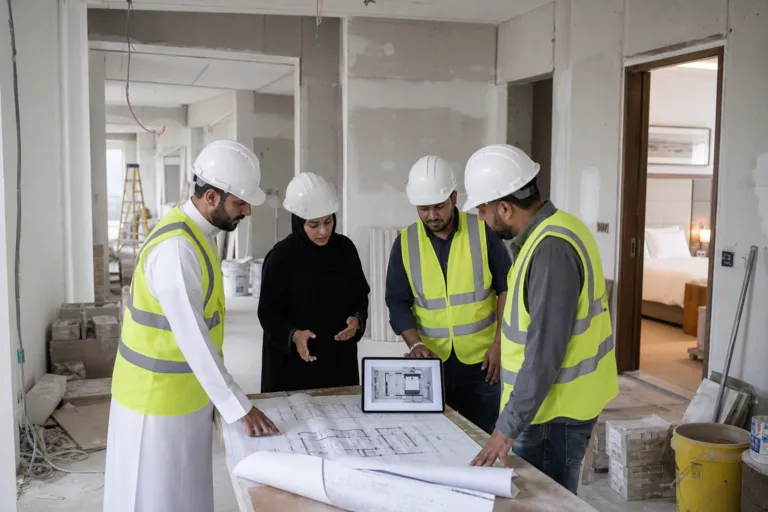
The saudi arabia hotel pipeline is big, and it is also changing shape. One industry snapshot described a “disciplined phase” with approximately 100,000 hotel rooms in the active development pipeline across the Kingdom. Another investment outlook previewed a 358,000-room pipeline. These figures highlight two realities at once: scale and the need to phase supply carefully.
Saudi demand signals sit behind the construction story. Saudi Arabia recorded over 100 million domestic and international visitors in 2025. At the same time, religious tourism to Makkah and Madinah is described as providing year-round occupancy resilience, which matters when new supply arrives in waves.
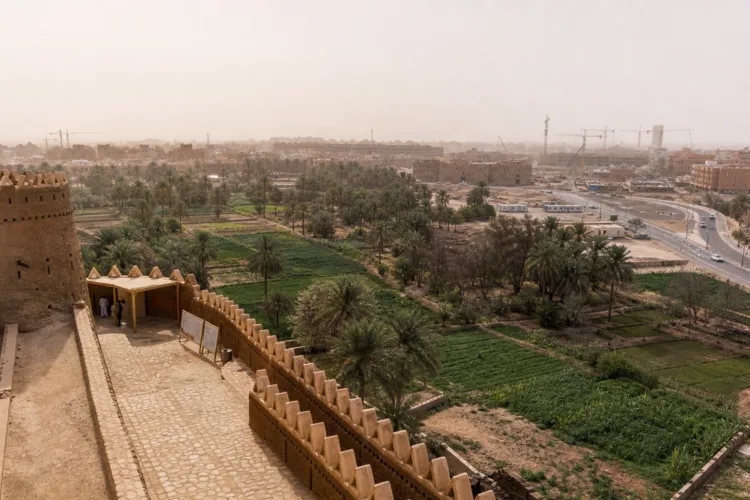
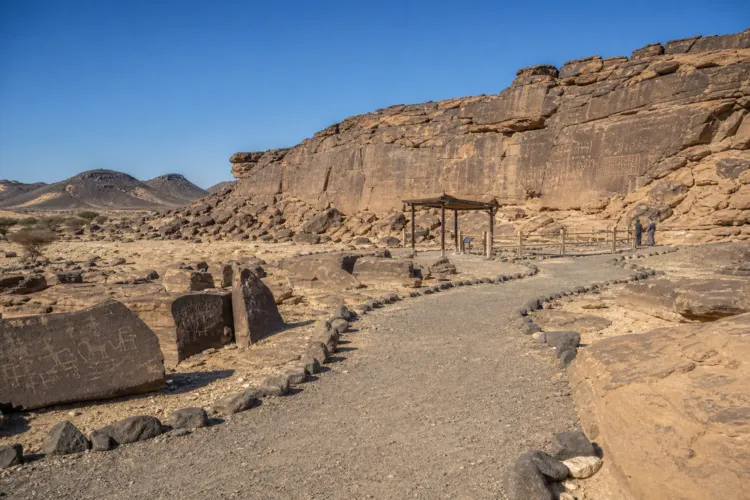
There are also clear geographic and city indicators inside the pipeline. Growth is concentrated in AlUla (heritage), the Red Sea Project (luxury leisure), and Riyadh (corporate and entertainment). CoStar data cited in April 2025 put Saudi Arabia at 42,800 rooms under contract, the highest in the Middle East and Africa region, and said this was a year-on-year increase of 6,817 rooms. The same reporting noted Makkah and Medina as major contributors, with 17,646 and 20,079 rooms, respectively, across different stages of development.
Where the Real Opportunities Are Emerging
Much of the opportunity is not only in trophy resorts. Saudi Arabia launched a $1 billion hospitality investment platform called AYARA, with plans to develop 50 new business hotels across the Kingdom by 2029. The platform focus is mid-scale and upper mid-scale, positioned for corporate travelers, domestic tourism, and smaller events outside traditional luxury hubs. This points to a practical path for investors who want repeatable formats and multiple sites.
Operators are also calling out product types that can outperform in a heavy-build environment. At FHS Saudi Arabia, Dory Mouawad of Ewaa Hotel Group said a big opportunity lies in extended-stay and mixed-use developments that capture long-stay, corporate, and lifestyle demand with superior margins. The same outlook warned that large development pipelines require careful phasing, with timelines and over-supply among the potential challenges over the next few years.
Finally, watch risk and capital flows alongside construction. Geopolitical tensions have increased aviation costs, insurance premiums, and supply chain volatility, according to the tourism investment report. Yet global brands including Hilton, Marriott, Kempinski, and Wyndham are maintaining long-term investment cycles, and significant new investment is flowing from Malaysia, Indonesia, and Singapore, particularly into Red Sea and religious tourism assets. In a pipeline this large, the “real opportunities” often sit where demand is durable, delivery can be standardized, and phasing matches absorption.
What does the saudi arabia hotel pipeline look like right now?
Which places are highlighted as strategic growth hubs?
Why are business hotels getting more attention in Saudi Arabia?
What segment is positioned as a strong opportunity for margins?
What are the main risks mentioned around the pipeline?
Talk to us for your needs in:
-
Tourism Infrastructure Planning and Optimization
-
Destination Marketing and Brand Strategy
-
Tourism Workforce Development and Training
-
Sustainable Tourism Solutions
-
Visitor Experience Enhancement and Engagement
-
Tourism Project Feasibility and Strategic Planning
-
Saudi Tourism Benchmarking