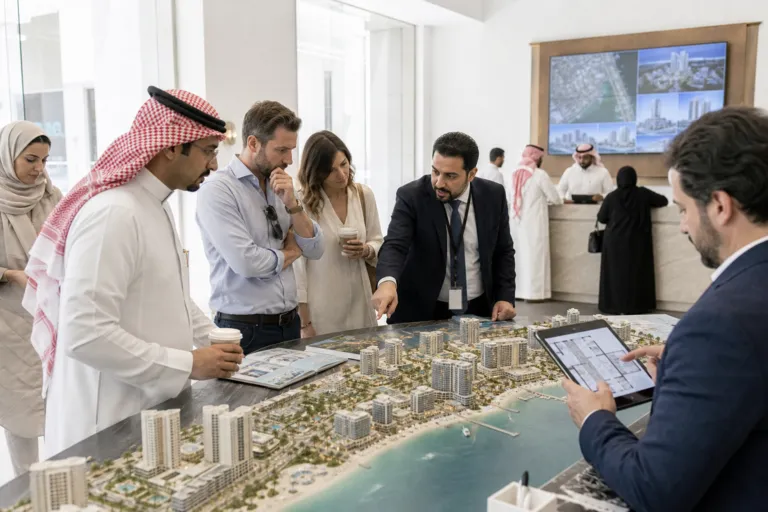
Branded residences are rising fast in the Kingdom, as Saudi Arabia positions itself as an emerging destination for property investment and acquisition under Saudi Vision 2030. The appeal is simple. A globally recognised brand can reassure buyers, especially in an unfamiliar locale. Buyers expect high quality, exceptional service, and fewer property-ownership inconveniences. In Saudi Arabia, the model also supports tourism real estate, because luxury hospitality infrastructure can generate branded residence opportunities.
Market figures show momentum, even though estimates vary by source. Business Today Middle East cites 1,780 existing branded residential units in Saudi Arabia, with 2,500 to 3,000 planned or under construction for delivery by 2030–2031. Economy Middle East places total stock at around 1,685 units, with a further 1,900 units in the development pipeline. These counts point in the same direction. Saudi Arabia is still in early adoption, but it is scaling.
Why Tourism Real Estate Is Pulling Brands Into the Kingdom
Vision 2030 was unveiled in March 2016, built on three pillars: a vibrant society, a thriving economy, and an ambitious nation with diverse revenue streams and enhanced public infrastructure. Real estate reforms sit inside that push. As of January 2026, foreign buyers will have complete freedom to purchase property in key cities like Riyadh and Jeddah. They can also buy in Makkah and Madinah, subject to special permissions. Separate reporting also frames the new foreign ownership laws as removing a key barrier to international participation in Saudi luxury real estate.
Developers are tying residences directly to destination-making. The Red Sea Project is positioning Saudi Arabia as a global luxury tourism destination, and branded residences there are described as hospitality-first, where service and experience are central. Red Sea Global, developer behind The Red Sea and AMAALA destinations, offers branded residential properties under Red Sea Residences along the western coast. Economy Middle East also notes sustained growth in Saudi hospitality in recent years, supported by increasing volumes of domestic tourists, which can reinforce demand for hospitality-linked residential products.
Diriyah is a clear example of how branding, heritage, and scarcity are being packaged together. Business Today Middle East reports Armani Residences Diriyah launched at MIPIM Cannes in March 2025 as Armani’s debut in Saudi Arabia, with 15 ultra-limited residences. It also states Diriyah’s branded residential collection comprises approximately 300 luxury homes in total. On the demand side, offplandubai.ae notes that across global markets, branded residences typically command a 30–35% premium versus comparable non-branded properties, reflecting the value buyers place on brand, service, and experience.
What are branded residences saudi arabia buyers looking for?
How many branded residence units exist in Saudi Arabia today?
How large is the development pipeline for Saudi branded residences?
What changed for foreign buyers in Saudi real estate?
Do branded residences usually sell at a premium?
Talk to us for your needs in:
-
Tourism Infrastructure Planning and Optimization
-
Destination Marketing and Brand Strategy
-
Tourism Workforce Development and Training
-
Sustainable Tourism Solutions
-
Visitor Experience Enhancement and Engagement
-
Tourism Project Feasibility and Strategic Planning
-
Saudi Tourism Benchmarking