In 2026, the conversation around saudi arabia hospitality investment is shifting from speed to fit. Multiple Hospitality Net analyses tie the investment story to Vision 2030 and to a market that is diversifying beyond religious tourism. The practical question is changing. It is not only where to build, but what hospitality product matches the destination, the guest profile, and the long-term market cycle.
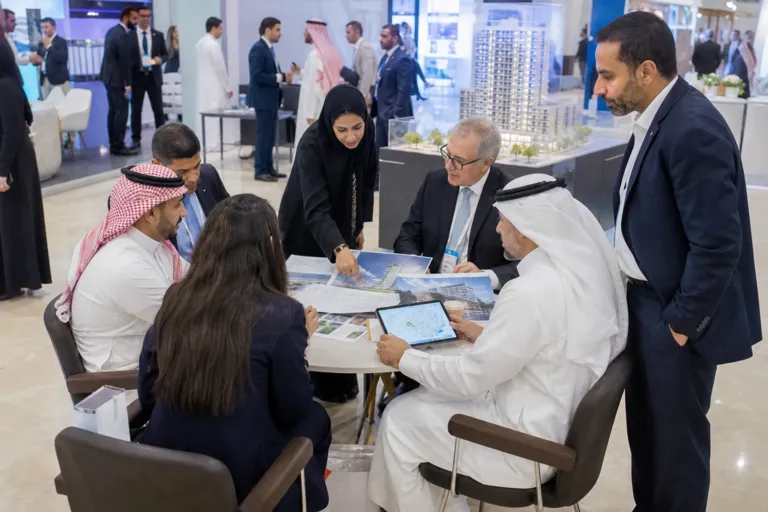
The Kingdom is also using forums to connect capital with projects. The Future Hospitality Summit (FHS) Saudi Arabia is positioned as a deal-making and investment platform that brings together investors, developers, operators, and policymakers. The 2026 edition is scheduled for 22–24 June 2026 at Mandarin Oriental Al Faisaliah, Riyadh. A separate announcement also states the conference will return to Riyadh from 20–22 April 2026 at the same venue, under the theme “Where Opportunity Meets Capital.”
Supply Growth, Segment Mix, and Where Gaps Appear
Supply expectations are large, and they shape underwriting. One pre-event feature says Saudi Arabia is set to deliver 358,000 new hotel rooms to meet rising demand and prepare for major upcoming global events. Another FHS announcement links development momentum to a drive to deliver over 362,000 new hotel rooms by 2030, and it references a USD 10 billion tourism development pipeline as part of Vision 2030. Together, these signals point to an active build cycle that investors must match with disciplined capital allocation and realistic market absorption.
Within that pipeline, the segment mix matters. One source notes that 75% of upcoming hotel rooms are in the luxury segment, while experts highlight midscale as a key opportunity for investment. The implication is simple. Product strategy can be as important as site selection, especially when operators emphasize sustainable ROI and balancing supply with market fundamentals.
Demand drivers are also evolving. A Hospitality Net outlook stresses a demographic reality: Saudi Arabia is one of the youngest populations in the region, with a median age significantly lower than that of Europe. The same analysis links this to expectations for modern, design-forward, socially engaging, experience-led concepts. In parallel, another Vision-focused piece describes an investment environment supported by policy continuity, opportunities across the hospitality value chain, and proactive government support, including the Ministry of Tourism’s Secondment Program that provides international training through leading global hotel brands.
Major events and new travel segments broaden the investment map. A Hospitality Net piece cites Expo 2030 and the 2034 FIFA World Cup as factors reinforcing the Kingdom’s image as a year-round tourist destination. It also frames opportunity across high-growth leisure resorts, resilient urban hotels, and emerging segments such as medical and wellness tourism. For 2026 and beyond, the most bankable thesis may be the one that links experience design, workforce readiness, and a finance model that can evolve beyond traditional banking, including alternative forms of debt financing such as capital markets under new government regulations.
What does “saudi arabia hospitality investment” mean for 2026 strategy?
How many new hotel rooms are expected in Saudi Arabia?
Which hotel segment dominates upcoming supply?
What signals did FHS Saudi Arabia generate in the market?
What policy or workforce initiatives support hospitality development?
Talk to us for your needs in:
-
Tourism Infrastructure Planning and Optimization
-
Destination Marketing and Brand Strategy
-
Tourism Workforce Development and Training
-
Sustainable Tourism Solutions
-
Visitor Experience Enhancement and Engagement
-
Tourism Project Feasibility and Strategic Planning
-
Saudi Tourism Benchmarking