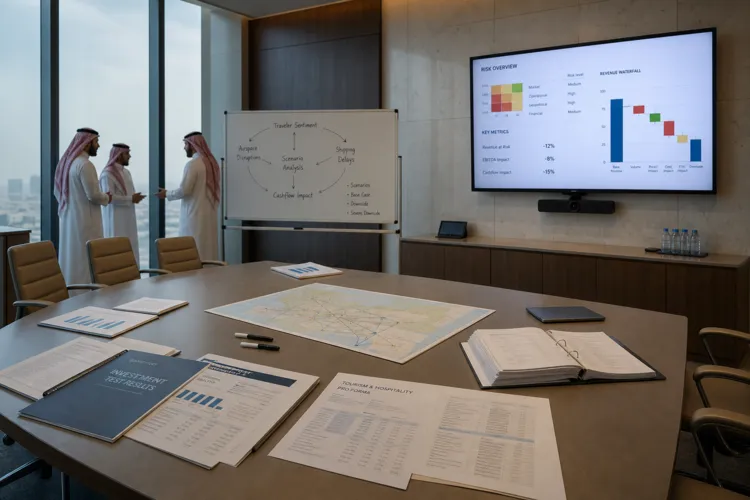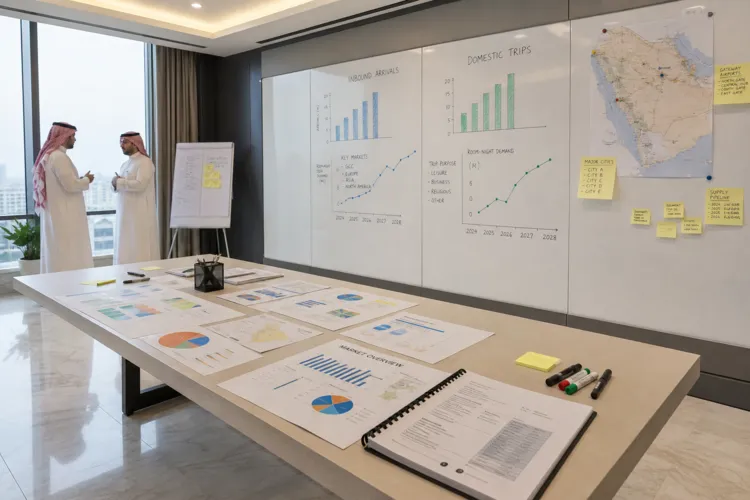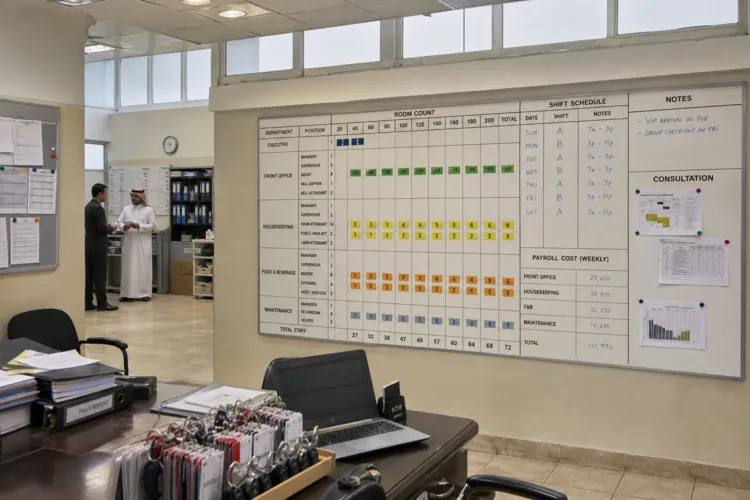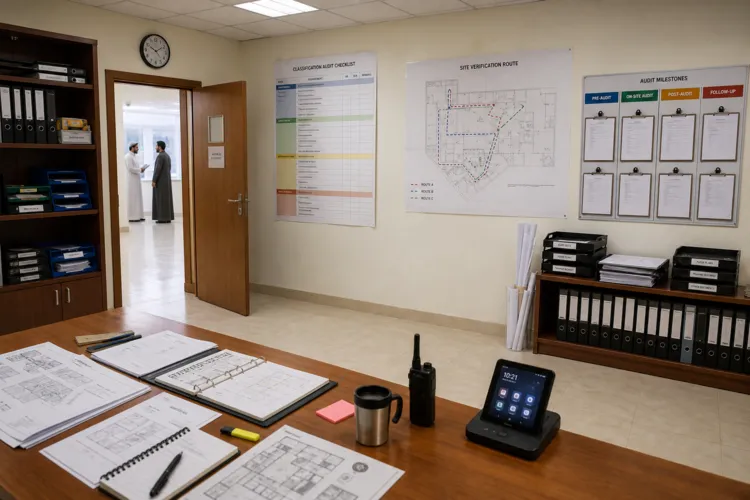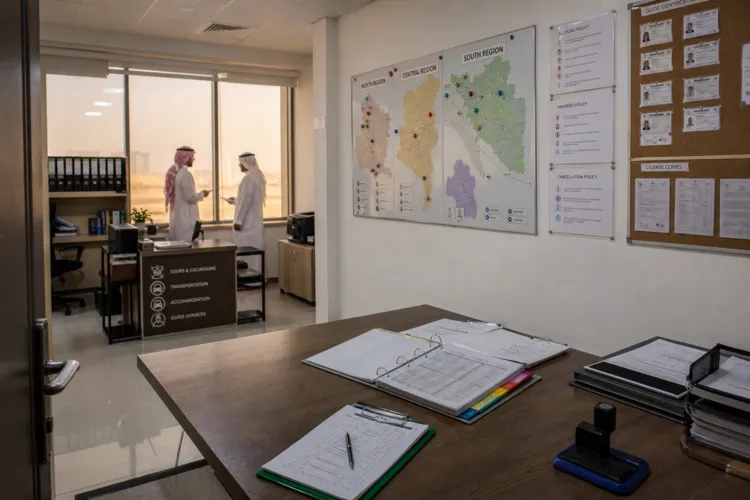
Saudi Arabia’s tourism expansion is now paired with a concrete rewrite of the rules that govern who can sell travel, guide visitors, operate hospitality facilities, and rent private tourist accommodation. Four updated regulations were published in Umm Al-Qura on 11 September 2026. The Ministry of Tourism described the package as a simplification and modernization effort that responds to changing business models and feedback from investors, operators, and beneficiaries, while safeguarding tourist rights. For operators, this is not just a policy direction. The official gazette sets transition periods and effective dates that will shape compliance planning, deal timelines, and operational handovers.
The four instruments cover Travel and Tourism Services, Tourist Guiding, Tourist Hospitality Facilities, and Private Hospitality Units. In travel services, the updated framework simplifies licensing categories, widens operational flexibility, and introduces different options for licence duration, while clarifying the rights and obligations of providers and customers. For guiding, the regulation streamlines categories and allows licensed guides to work across more than one region and speciality, subject to approved training or examinations as applicable. It also permits direct contracting between guides and tourists, provided the booking documentation clearly discloses prices, payment terms, cancellations, and refunds.
Compliance Timelines and the New Financial-Guarantee Signal
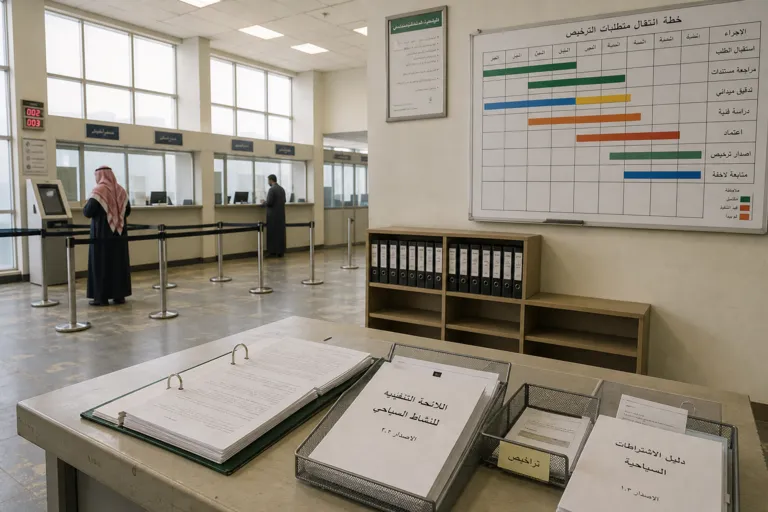
Transition windows are where the September 2026 overhaul becomes real for portfolios and pipelines. Existing travel-service providers and guides generally have up to 180 days to adjust. Private hospitality-unit permit holders have 90 days to move through the new pathway. The amended hospitality-facility regulation is scheduled to take effect on 1 July 2027, and it includes a 90-day compliance period after that effective date. These timelines matter to investors because they can change the risk profile of acquisitions, management contracts, and platform rollups, especially where legacy permits, staff qualifications, and customer-facing terms need rapid alignment.
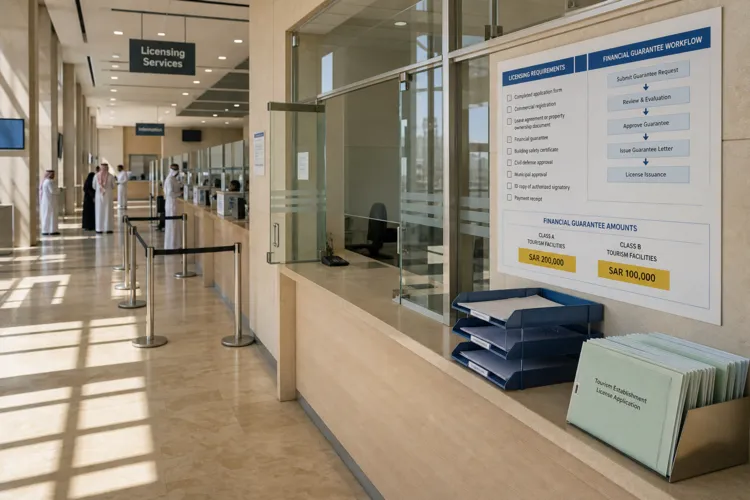
Financial requirements also moved from general intent to specific thresholds. On 25 September 2026, the minister set financial-guarantee requirements for the “general travel and tourism services” licence. The guarantee is SAR50,000 in the standard case, and SAR800,000 when the licensed service includes arranging visa issuance for people seeking to enter Saudi Arabia. The decision replaces an earlier ministerial decision, which is a reminder that secondary requirements can change even after the core regulations are published. For market entrants, these figures feed directly into capitalization, partner selection, and the design of product lines that include visa-related services.
Hospitality and private accommodation rules aim to tighten standards while reflecting how guests book and pay today. Hospitality-facility revisions address licensing, classification, and operating procedures, and they explicitly cover reservations, payments, and online marketing. The ministry also framed the changes as strengthening operational, security, and safety requirements and establishing obligations for service provision and tourist rights. Private Hospitality Units shift from a permit-based approach to a formal licensing regime, with stipulations that address safety, property eligibility, and consumer protection, and with an expectation that units remain compliant with regulations governing their use for tourism accommodation. Taken together, Saudi tourism regulations 2026 read as a push to scale growth without letting licensing, quality control, and consumer protection fall behind.
What are the four rulebooks in Saudi Arabia’s September 2026 tourism overhaul?
How long do existing operators have to comply with the new rules?
What financial guarantee applies to the general travel and tourism services licence?
What changes in the tour-guiding rules affect how guides sell services?
What do the Saudi tourism regulations 2026 mean for investors evaluating accommodation platforms?
Talk to us for your needs in:
-
Tourism Infrastructure Planning and Optimization
-
Destination Marketing and Brand Strategy
-
Tourism Workforce Development and Training
-
Sustainable Tourism Solutions
-
Visitor Experience Enhancement and Engagement
-
Tourism Project Feasibility and Strategic Planning
-
Saudi Tourism Benchmarking