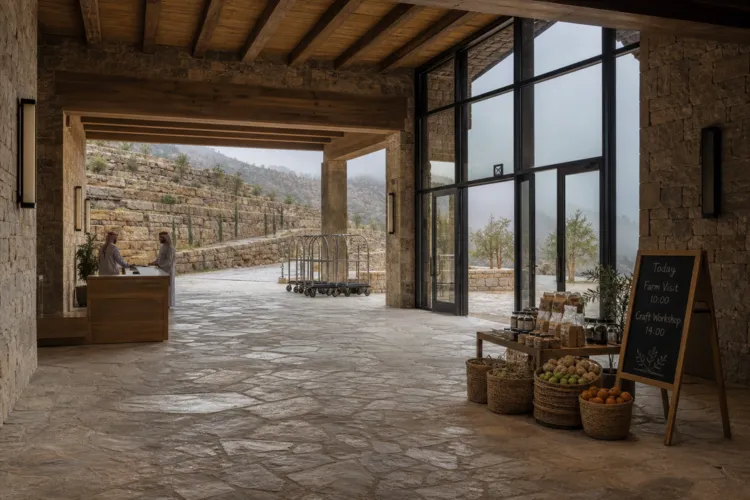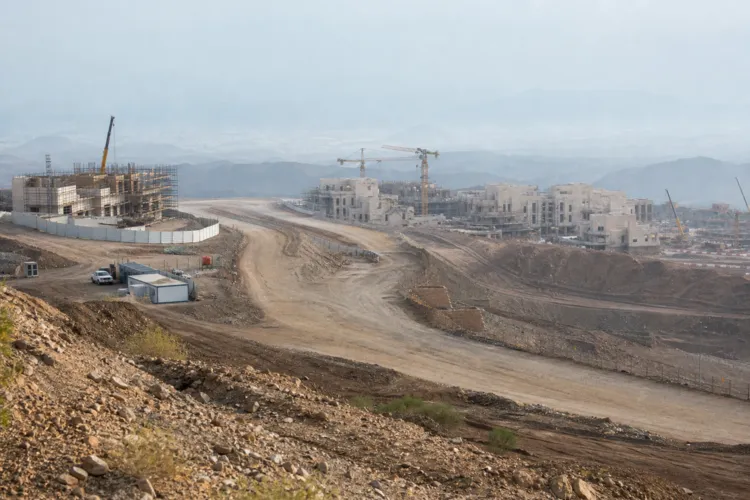
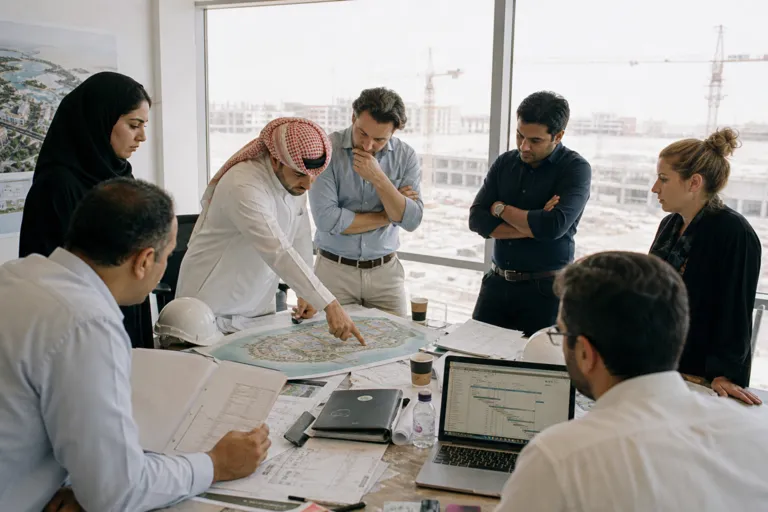
For hospitality investors tracking Saudi Arabia’s giga-project pipeline, the pause tied to Red Sea Global’s Phase Two is less a headline grab and more a signal about sequencing. Sources cited by AFP said a decision was taken to stop work on Phase Two, with one company source adding that current operating costs exceed revenues “in a way that has become unsustainable.” Another source described a shift toward treating Phase One as a “proof of concept,” and said no more construction is approved for Phase Two. In the same reporting, Red Sea Global denied plans to downsize and said the project would continue after the initial phase of 27 resorts is completed this year.
That reset matters because the broader plan has been described as ambitious. The same Daily Sabah report said Saudi Arabia was revising the strategy and referenced plans to build 81 luxury resorts by 2030, while also pointing to a reassessment driven by factors including stubbornly low oil prices and patchy demand. For investors, the key takeaway is not the long-range target, but the change in pacing and approvals. A pause can protect capital and reputation if it improves operational economics, yet it also delays revenue ramp assumptions tied to new keys and new openings. The investment question becomes how Phase One performance and operating metrics shape the next underwriting cycle.
What the Reset Changes in the Investor Playbook
One implication is a stronger emphasis on foundations that support scalable hospitality operations. Al Arabiya reported that Red Sea Global prioritized building foundational systems such as airports, utilities, and transport networks before actively courting foreign direct investment. It added that with these elements in place, the next phase is expected to draw a broader mix of global investors. The same piece also noted collaboration between Saudi Arabia and the United States across architecture, engineering, and hospitality, and named global hotel brands including Marriott, Hilton, and Hyatt as part of the emerging landscape. For investors, the narrative shifts toward institutional-grade infrastructure readiness and partner quality as de-risking levers.
Deal structure is another anchor. On its investment page, Red Sea Global pointed to joint ventures with global hospitality brands, including a SAR 2.6 billion partnership with Kingdom Holding for the Four Seasons Resort Red Sea and a SAR 2 billion venture with Al-Mutlaq Group for Jumeirah The Red Sea. It also described an environmental and social sustainability approach and referenced a utilities concession agreement with EDF (Électricité de France) and Masdar for the AMAALA Project Phase 1. For hospitality investors assessing the “red sea global phase two” moment, these figures and counterparties help frame how capital may be deployed: through brand-led JVs and enabling infrastructure arrangements rather than only greenfield, balance-sheet-heavy builds.
Finally, investors should keep market context separate from local performance. A global market report from The Business Research Company stated that Asia-Pacific was the largest region in the hospitality market in 2025, with North America second. That regional ranking does not describe the Red Sea pipeline directly, but it is a reminder that capital competes across regions and cycles. In parallel, ZoomInfo listed Red Sea Global as having 4 investors, including Bank Albilad, Riyad Bank, and Saudi Investment Bank, while noting its integrated focus across hospitality, residential living, infrastructure, and cultural experiences. In a reset period, credibility often comes from governance, funding relationships, and the ability to prove unit economics in Phase One before reopening the Phase Two construction spigot.
What does the Phase Two pause mean for Red Sea Global’s development timeline?
Why did sources say Phase Two work was paused?
How should hospitality investors interpret the Red Sea Global Phase Two reset?
What investment partnerships has Red Sea Global cited as evidence of demand?
Which regions were largest in the global hospitality market, according to one market report?
Talk to us for your needs in:
-
Tourism Infrastructure Planning and Optimization
-
Destination Marketing and Brand Strategy
-
Tourism Workforce Development and Training
-
Sustainable Tourism Solutions
-
Visitor Experience Enhancement and Engagement
-
Tourism Project Feasibility and Strategic Planning
-
Saudi Tourism Benchmarking