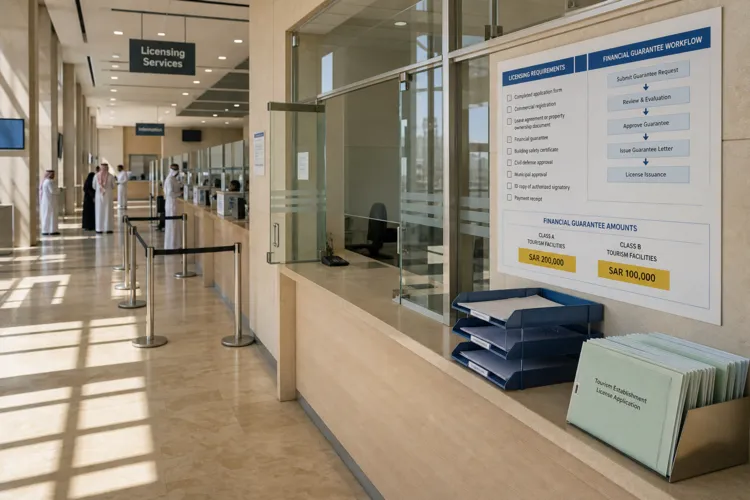
The saudi short term rental market is being shaped by a wider hospitality and tourism reset. Saudi Arabia has pursued comprehensive modernization of its regulatory and legislative environment. This has created clearer governance structures, faster licensing processes, and improved coordination among authorities. The result, as described by industry commentary, is reduced development timelines, mitigated regulatory risk, and improved investor confidence in market stability and resilience. For short-stay operators and investors, that same direction matters because speed to license, clarity on compliance, and predictable oversight influence where and how new inventory can be launched.
Demand signals are also visible, especially on the business travel side that feeds short-term accommodation needs. IMARC Group research cited in one analysis places Saudi Arabia’s business travel market size at USD 10.9 Billion in 2025, with a projection to reach USD 18.5 Billion by 2034 and a 6.08% growth rate during 2026–2034. The same source links cross-border partnerships and corporate expansion to frequent face-to-face engagement. It specifically notes regular trips by tech consultants, integration specialists, and project managers for capacity building, troubleshooting, and product development, supporting consistent demand for short-term accommodations alongside other travel services.
Regulation Meets Supply Growth: What Investors Must Watch
Even with demand momentum, multiple sources flag the need for disciplined execution as supply expands. A Skift report on Marriott highlights that hotel supply is rapidly increasing while current demand lags, citing occupancy rates around 49%. That same report notes Marriott’s agreement to add over 2,700 hotel rooms across five new properties, and frames the move as diversification beyond luxury into more midscale and extended-stay brands. Separately, an investment outlook feature warns that over-supply and clustered openings can pressure performance in the short to medium term, and argues for careful phasing and capital discipline so that supply and market fundamentals remain balanced.
For investor entry points, several themes recur: midscale and upper midscale are described as the deepest demand pools globally because they serve a broad range of travelers while keeping development economics more accessible. Operators also point to extended-stay and mixed-use developments that capture long-stay, corporate, and lifestyle demand with stronger margins. Another perspective emphasizes domestic tourism as a stabilizing base, with citizens and residents increasingly exploring the country for leisure, events, family holidays, and short breaks. Products aligned to family travel, cultural preferences, privacy, quality service, and value-driven experiences are positioned as strong fits in that demand mix.
Execution, not awareness, is presented as the practical differentiator as the market becomes more competitive, segmented, and performance driven. One Saudi-focused commercial strategy piece argues the problem is not demand but “commercial translation,” pushing teams to determine which source markets show early intent, which segments react to price points, and which channels deliver profitable demand rather than only volume. It stresses that supply growth, destination development, changing airlift, and evolving guest expectations are happening at the same time, making yesterday’s patterns insufficient. In that environment, investors and operators in short-stay formats benefit from tech-enabled, demand-diversified, operationally lean approaches built for resilient long-term cashflow.
Finally, branding and partnership strategies show how differentiated inventory is being pulled into new destinations and formats. Skift’s coverage of Nammos Resort Amaala describes a property at Amaala Triple Bay with 110 keys, 20 branded residences, three F&B outlets, and a spa, with mention of high early demand for the branded residences. Other industry commentary highlights Saudi investors forging strategic partnerships with leading global hospitality operators to transfer operating models and international best practices, improving efficiency and guest experience. For the saudi short term rental market, the takeaway is to match entry points to real demand pockets—business travel, extended-stay, domestic short breaks—while respecting regulatory clarity and the risks of poorly phased supply.
What is driving demand in the saudi short term rental market?
What business travel figures are cited for Saudi Arabia?
What risks should investors watch as supply expands?
Which entry points are repeatedly mentioned by industry voices?
How is the regulatory environment described for hospitality investment?
Talk to us for your needs in:
-
Tourism Infrastructure Planning and Optimization
-
Destination Marketing and Brand Strategy
-
Tourism Workforce Development and Training
-
Sustainable Tourism Solutions
-
Visitor Experience Enhancement and Engagement
-
Tourism Project Feasibility and Strategic Planning
-
Saudi Tourism Benchmarking