Taif is a mountain and highland city in western Saudi Arabia, within the administrative geography of Makkah Region and southeast of Makkah. Its importance is not that it replaces Makkah or Jeddah. It complements them with a different regional function: highland climate, seasonal domestic travel, agricultural identity, and alternative access routes across the mountains. Taif is known for its moderate highland climate, rose farms, summer travel demand, cultural identity, airport access, and connection to the wider Makkah regional economy. That combination gives Taif tourism a clear “place-based” story that is hard to copy.
Investors should also read local scale correctly. Sources distinguish between Taif city and Taif Governorate, which is the wider administrative area that includes mountain districts, rural centers, visitor areas, and transit corridors. Makkah Emirate lists Taif Governorate at 1,082,766 people, while census-derived 2022 tables list 913,374. The same Makkah Emirate reference lists the governorate area at 13,480 square kilometers and 18 administrative centers. These figures matter for planning hospitality footprints, rural experiences, and mobility links, because many services and land-use decisions are made at the governorate level.
Why the Mountain Microclimate Converts into Summer Demand
Taif’s elevation is repeatedly framed as the core differentiator. Travel references describe it as Saudi Arabia’s “summer capital” at 1,800 meters elevation in the Sarawat Mountains, a favored retreat during the hottest months. One source adds climate color by noting summer highs around 30°C and winter lows near 3°C, while also describing Taif as the Kingdom’s primary summer resort. Practical access supports that positioning: Taif is described as only 90 minutes from Jeddah by car via the Hejaz Escarpment road, and it also benefits from airport access in its broader tourism proposition.
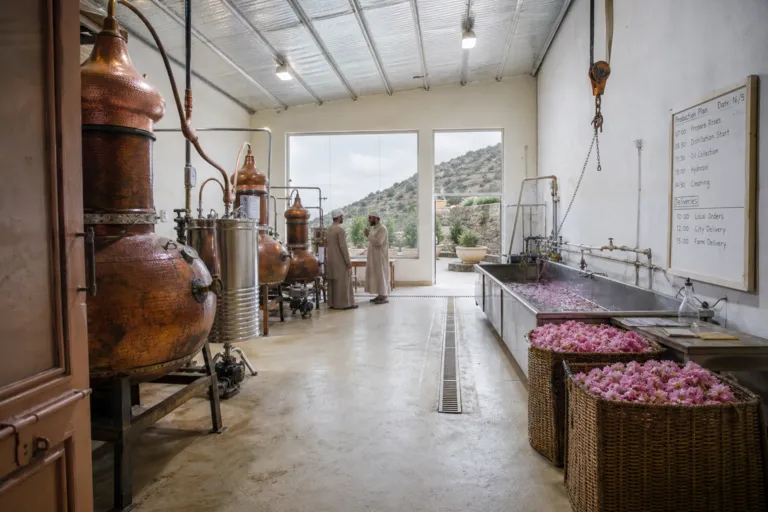
Beyond weather, Taif has a rural production narrative that can be packaged into experiences. It is widely labeled the “Rose City,” and sources point to rose gardens and the Taif Rose Festival in April, including distillation demonstrations and fields of pink Damascus roses. Agriculture is also linked to grapes, pomegranates, and honey, which helps broaden product and itinerary design beyond a single seasonal event. In the same destination mix, Souq Okaz is presented as a reconstructed ancient Arabian market with cultural festivals and poetry competitions, adding programming that supports longer stays and repeat visits.
Taif’s investment case also sits inside national momentum. Saudi Arabia is pursuing Vision 2030 diversification through travel, tourism, and entertainment, with a national target of 150 million annual visitors by 2030 after surpassing an earlier 100 million visitor target ahead of schedule. Another market source says total tourist trips (domestic and international) reached 115.9 million in 2024. Entertainment demand is also quantified: in 2024, there were 76.9 million visitors to 423 entertainment destinations, and the General Entertainment Authority issued 5,526 licenses. For hospitality underwriting, one report cites nationwide occupancy averaging 62.3% in the first half of 2025, with nationwide ADR reaching SAR 822 (about $219) and a 1.9% year-on-year increase.
Where is Taif, and why does its location matter for investors?
What makes Taif a summer-oriented destination in Saudi Arabia?
How does the rose economy connect to visitor experiences in Taif?
How does Taif tourism fit into Saudi Vision 2030 travel growth?
What national hospitality indicators help frame investment timing?
Talk to us for your needs in:
-
Tourism Infrastructure Planning and Optimization
-
Destination Marketing and Brand Strategy
-
Tourism Workforce Development and Training
-
Sustainable Tourism Solutions
-
Visitor Experience Enhancement and Engagement
-
Tourism Project Feasibility and Strategic Planning
-
Saudi Tourism Benchmarking