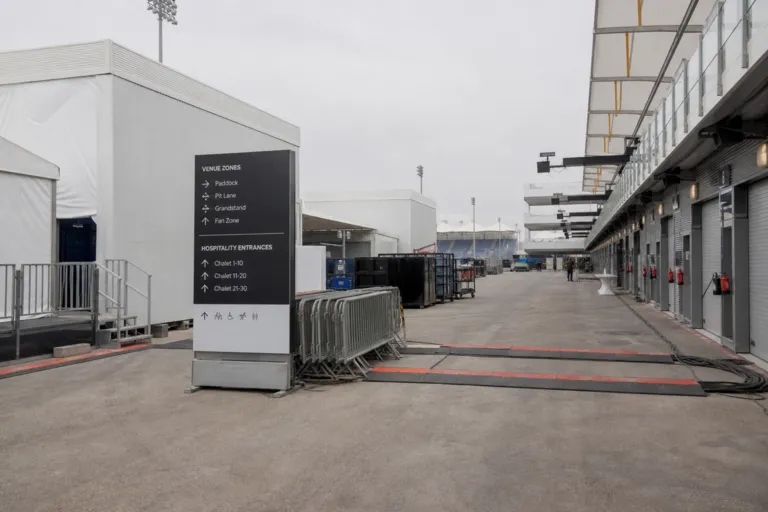
The Saudi Arabian Grand Prix has evolved into more than a race weekend. It is increasingly treated as a tourism and hospitality asset that can lift demand across a city. In Jeddah, assessments cited by Saudi Arabia Breaking News say race-period demand raised hotel occupancy and air travel activity, with spillover across hospitality, retail, and services. The same summary highlights increased business activity along the Jeddah Corniche waterfront and notes benefits for small and medium-sized enterprises such as restaurants, cafés, and retail brands, alongside seasonal and permanent job opportunities linked to event operations and tourism.
Event-led hospitality demand also shows up in national transaction data during a packed spring events calendar. The Saudi Times reported that in the week of April 13 to 19, hotel transactions across Saudi Arabia reached SR295 million (about $76.8 million), a 2.2% increase from the previous week, based on point-of-sale data from the Saudi Central Bank. The same week logged 677,000 transactions, up 2.4% in volume. The report linked the timing to multiple major events across the Kingdom, including Formula 1 returning to the Jeddah Corniche Circuit, where the weekend also included a concert series that broadened the audience beyond motorsport.
From Race-Week Peaks to Year-Round Place-Making
Jeddah’s value proposition is not only the event, but the way visitors use the city. Arab News reported that in Al-Balad, Jeddah’s UNESCO-listed historic district, boutique properties and tour operators saw increased demand that was linked directly to Grand Prix visitors. It described the race as a “catalyst event,” with many visitors arriving for Formula 1 but staying to explore surrounding areas. The Jeddah Corniche Circuit itself is framed as part of longer-term planning. Saudi Arabia Breaking News noted the circuit and adjacent facilities are being positioned to turn event infrastructure into year-round assets, while the Jeddah Corniche continues to function as a tourism and leisure hub outside race periods.
Future demand management is also tied to a venue shift. Vision2030.ai describes the Saudi Arabian Grand Prix as held on a street circuit at the Jeddah Corniche Circuit and moving to a new purpose-built facility at Qiddiya, calling it a signature sporting event that generates international media coverage and tourism spending. Arab News added that the $480 million Qiddiya Speed Park near Riyadh is being designed to host multiple Grade 1 events as soon as 2027 and is planned as a year-round destination rather than a standalone circuit. It also reported plans to relocate the Grand Prix from Jeddah to Qiddiya City between 2027 and 2029.
The wider context for saudi arabian grand prix tourism is the scale of entertainment investment and the global audience that such events can reach. Arab News cited a PwC report noting Formula 1’s global fan base reached 826.5 million, with viewership rising to 1.6 billion in 2024, reinforcing why cities pursue exposure that is difficult to replicate with traditional tourism marketing. Separately, Custom Market Insights stated that Jeddah’s entertainment infrastructure has refurbished King Abdullah Sports City, which it said hosts the Formula 1 Saudi Arabian Grand Prix with 320,000 visitors throughout the weekend and a local economic impact of SAR 1.2 billion from hospitality, dining, and tourism spending.
How does the Saudi Arabian Grand Prix support tourism demand in Jeddah?
What do Saudi Central Bank point-of-sale figures show during the Grand Prix week?
What is the timeline for moving the Grand Prix to Qiddiya?
What is Qiddiya Speed Park designed to do beyond a single race weekend?
What visitor and impact figures are cited for the Grand Prix in Jeddah?
Talk to us for your needs in:
-
Tourism Infrastructure Planning and Optimization
-
Destination Marketing and Brand Strategy
-
Tourism Workforce Development and Training
-
Sustainable Tourism Solutions
-
Visitor Experience Enhancement and Engagement
-
Tourism Project Feasibility and Strategic Planning
-
Saudi Tourism Benchmarking