ASFAR is the Saudi Tourism Investment Company and is fully owned by the Public Investment Fund (PIF). The company positions itself as a catalyst for tourism investment and tourism sector transformation in the Kingdom, with a specific focus on developing tourism destinations in Saudi Arabia’s “promising cities.” Instead of treating tourism as a single asset class, ASFAR frames destination development as an investment perspective that can include assets, services, and tourism activities, aiming to connect those components into an integrated value chain. In that structure, secondary and emerging destinations can be packaged into clearer, investable opportunities that are tied to each place’s distinctive advantages.
A defining feature of ASFAR’s approach is its reliance on private-sector partnership as the core of its investment model. On its website, ASFAR describes a co-investment approach across the Kingdom’s promising cities, designed to enable private partners to access destination-development opportunities and to build joint investment entities. ASFAR also highlights practical workstreams that support this model, including securing strategic partnerships and leasing prime land for projects. The stated aim is to deliver attractive returns on investment while elevating Saudi Arabia’s position on the global tourism map through strategic collaborations with public and private sector partners.
What ASFAR’s Current Portfolio Signals to New Markets
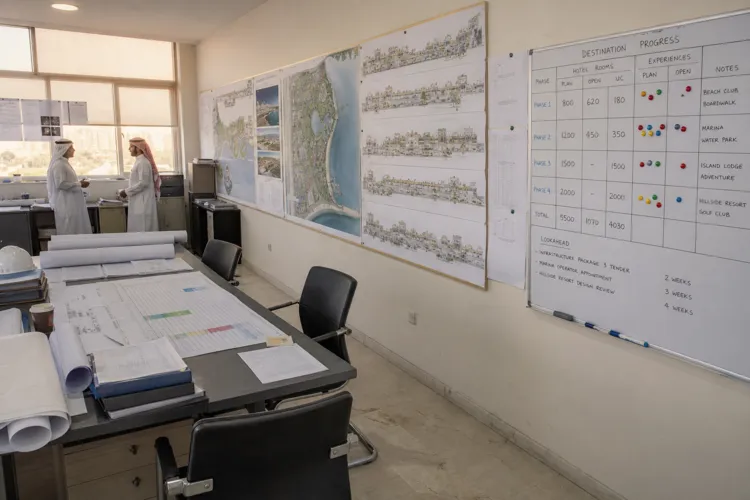
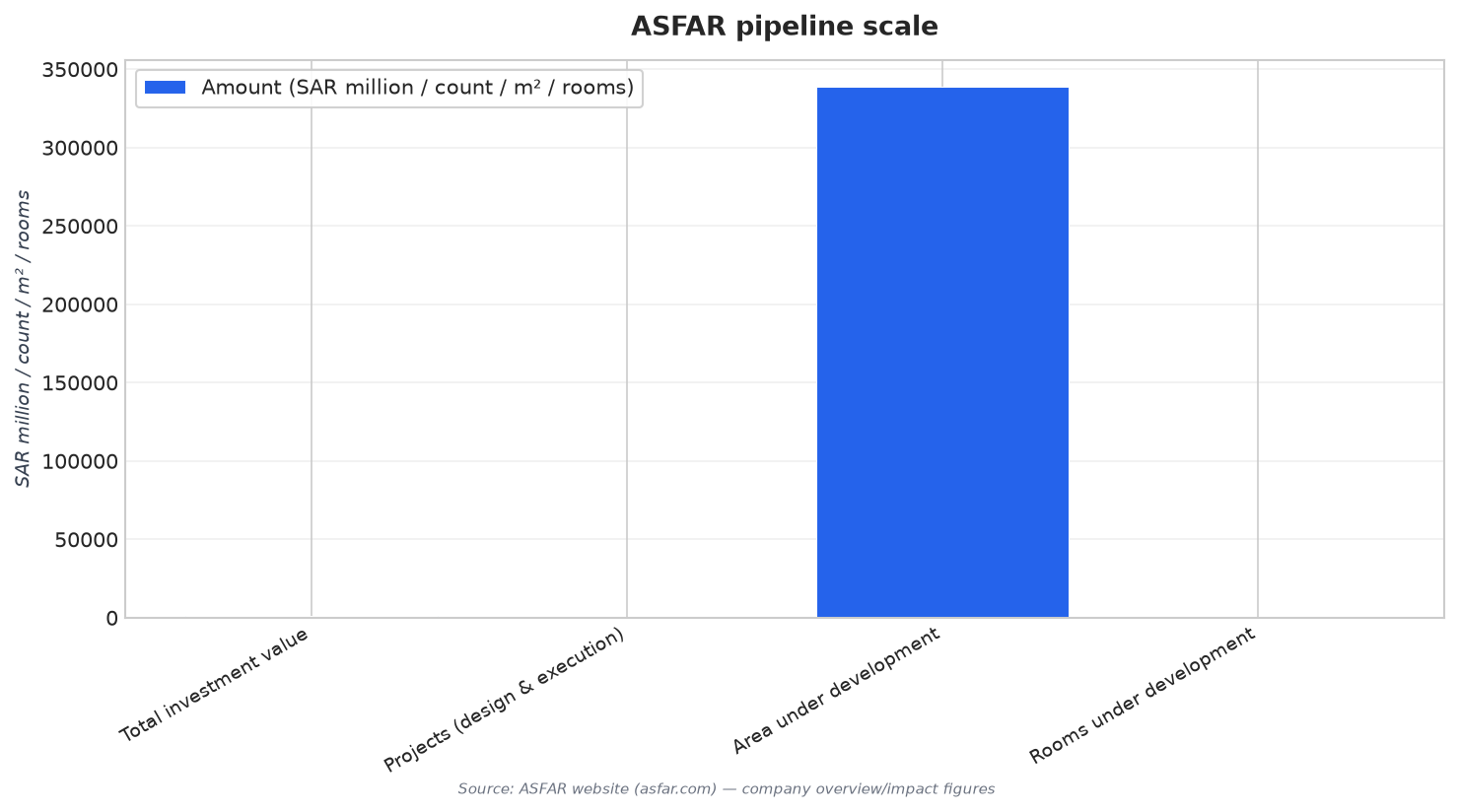
ASFAR’s disclosed portfolio indicators help explain how it is turning destination ambition into measurable pipelines for investors. The company reports a total investment value of SAR 1.1 billion, alongside 8 tourism projects in design and execution phases. It also cites 339,000 m² as total area under development and 570 rooms under development. These figures matter because they show a multi-project footprint and a defined development pipeline, rather than a single flagship bet. For investors scanning new markets, that portfolio scale can indicate repeatability: a model designed to deploy across multiple Saudi cities where tourism readiness is being built.
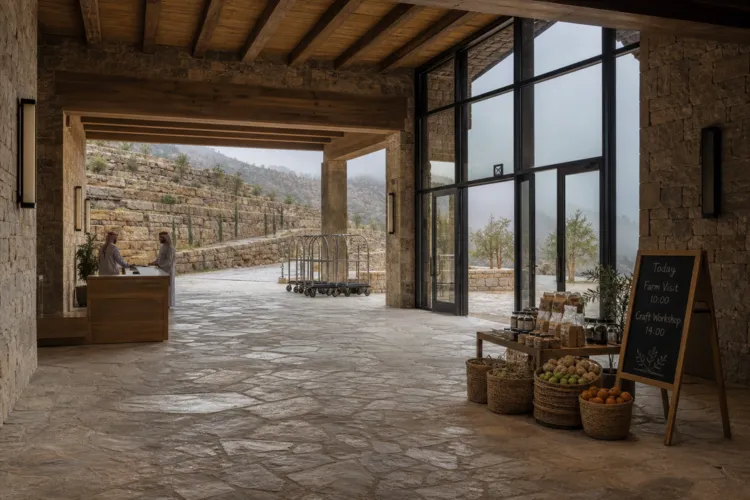
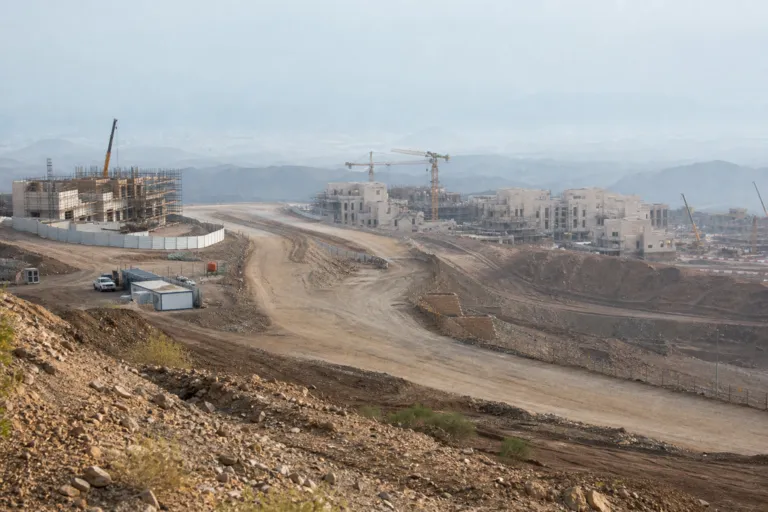
Execution examples are already visible in Al Baha. PIF announced that PIF-owned ASFAR inaugurated Gamra Mountain Resort in Saudi Arabia’s Al Baha Region, positioning the opening as reinforcing momentum toward the Saudi Vision 2030 objective of building a sustainable tourism sector that supports economic diversification. The resort spans more than 21,000 square meters and features 30 mountain-inspired rooms and suites designed to complement Al Baha’s natural character. PIF’s description links the project to a broader approach: investing in promising cities by building on each destination’s competitive advantages and investing in opportunities that maximize the value of distinctive attributes.
ASFAR has also communicated a “new phase of investments” through projects scheduled to open in 2026 in Al Baha and Yanbu. It announced Gamra Adventure Park in Al Baha, developed by Jabal Khaira, a subsidiary of ASFAR, and Kaynouna Beach Club in Yanbu, developed by Baheej, described as a subsidiary of ASFAR and the Tamimi-AWN Alliance. In the same announcement, ASFAR also stated it established JABA, a destination management company under Baheej, described as ASFAR’s operational arm for managing tourism destinations and providing specialized, high-quality services. Taken together, this is the asfar saudi arabia story in practical terms: building assets, creating operating capacity, and expanding investable tourism footprints beyond major hubs.
What is ASFAR and who owns it in Saudi Arabia?
How does ASFAR’s investment model bring in private partners?
What portfolio figures has ASFAR disclosed so far?
What are the key facts about Gamra Mountain Resort in Al Baha?
What new ASFAR-backed projects are scheduled to open in 2026?
Talk to us for your needs in:
-
Tourism Infrastructure Planning and Optimization
-
Destination Marketing and Brand Strategy
-
Tourism Workforce Development and Training
-
Sustainable Tourism Solutions
-
Visitor Experience Enhancement and Engagement
-
Tourism Project Feasibility and Strategic Planning
-
Saudi Tourism Benchmarking