
Foreign investment in saudi tourism sits inside a wider push to attract foreign direct investment (FDI) as a Vision 2030 lever. A core theme across Saudi Arabia’s recent reforms is simpler market entry, stronger protections, and more sectors open to international capital. The policy direction is explicit in national targets, including a 2030 target of SAR 388 billion ($103 billion) in annual FDI inflows and a National Investment Strategy target to increase FDI stock to SAR 1.3 trillion and annual flows to over $100 billion by 2030.
For tourism specifically, ownership rules have moved toward full control for international operators. Legal and advisory sources note that many sectors now allow 100% foreign ownership, and tourism, hospitality, and entertainment are among those that can be fully foreign-owned. Under the updated investment system, full ownership in the tourism and hospitality sector is permitted without a Saudi partner.
The investment framework has also been modernised. A new investment law effective from 7 February 2025 replaces the previous licensing system with a streamlined national registry, removing the need for foreign investment licenses and promising equal treatment for local and foreign investors. The same reform package describes safeguards against expropriation, freedom to transfer and repatriate capital, and dispute resolution through competent local courts or alternative dispute resolution such as arbitration and mediation.
Incentives That Matter for Tourism Investors
Incentives are part of the tourism investment pitch, but they are delivered through broader investment tools. Special Economic Zones (SEZs) are designed to encourage foreign investment and provide incentives such as preferential tax treatments, full foreign ownership, and simplified customs processes. The 2025 investment law also allows incentives based on specific, objective, and pre-announced criteria, which signals a more standardized approach for investors comparing locations and projects.
Saudi Arabia also links investor confidence to protections and capital mobility. A tourism-sector report states that the Saudi Investment Law introduced in 2025 enhances the investment climate by allowing full foreign ownership, strengthening investor protections, and promoting capital flows. The same report adds that investors in Saudi Arabia’s tourism sector enjoy a wide range of incentives designed to support their business ventures, reinforcing the direction of travel toward a more investor-ready operating environment.
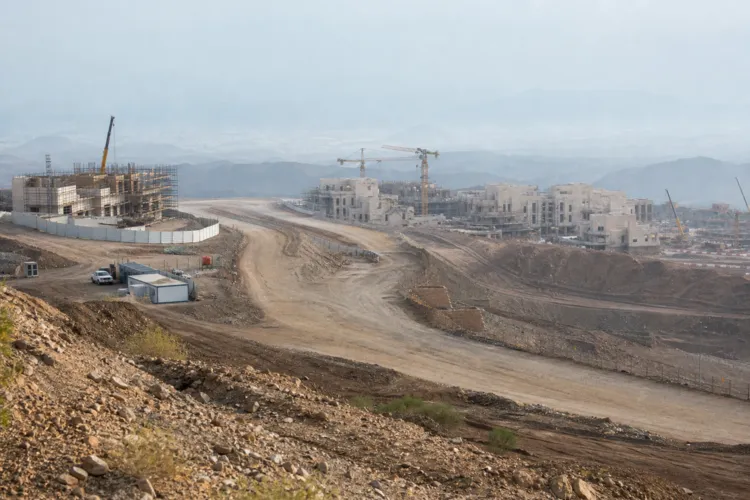
Sector hotspots are often framed around major projects and demand signals. One tourism-focused source cites rapid growth and highlights major projects like NEOM as part of the sector’s momentum. It also reports that the Kingdom welcomed more than 122 million local and international tourists in 2025 alone, with tourism spending exceeding 300 billion Saudi riyals. Together, full-ownership availability, SEZ incentives, and these 2025 activity figures help explain why foreign investment in saudi tourism is positioned as a priority within the broader Vision 2030 investment agenda.
Can foreign companies fully own tourism and hospitality businesses in Saudi Arabia?
What incentives can support foreign investment in Saudi tourism?
How did the 2025 investment law change market entry for foreign investors?
What demand signals are cited for foreign investment in saudi tourism?
Which hotspots are referenced for tourism sector growth?
Talk to us for your needs in:
-
Tourism Infrastructure Planning and Optimization
-
Destination Marketing and Brand Strategy
-
Tourism Workforce Development and Training
-
Sustainable Tourism Solutions
-
Visitor Experience Enhancement and Engagement
-
Tourism Project Feasibility and Strategic Planning
-
Saudi Tourism Benchmarking