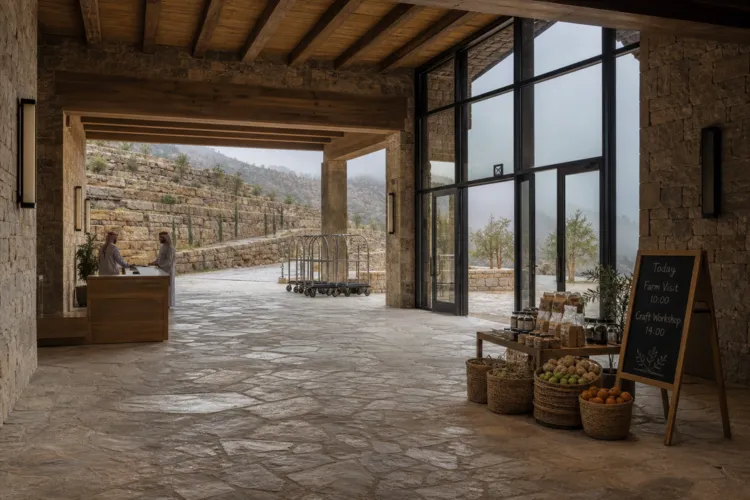
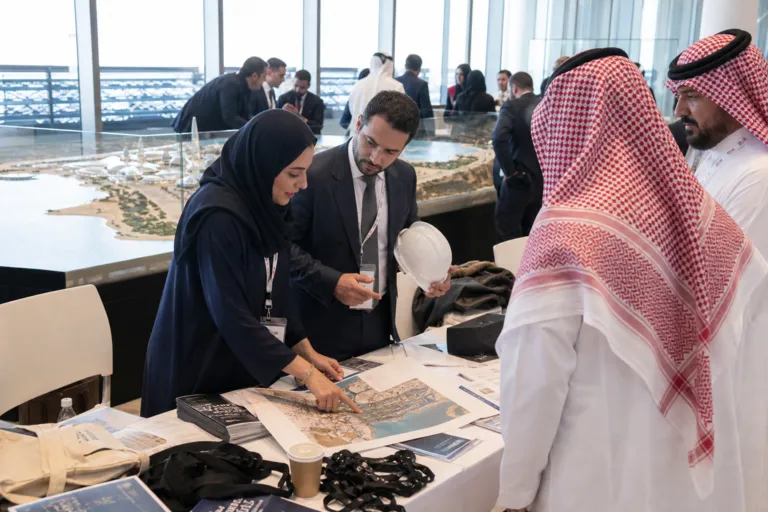
Saudi Arabia is reshaping its tourism landscape through public capital, destination development, and long-term planning tied to Vision 2030. At the center is the Public Investment Fund (PIF), which manages assets exceeding $925 billion and supports the Kingdom’s tourism investment ecosystem. In one Tourism investment guide, the PIF is described as having committed over $100 billion to tourism, culture, and entertainment projects. This is the scale behind today’s pif tourism investments, as Saudi Arabia positions tourism as a pillar of economic diversification.
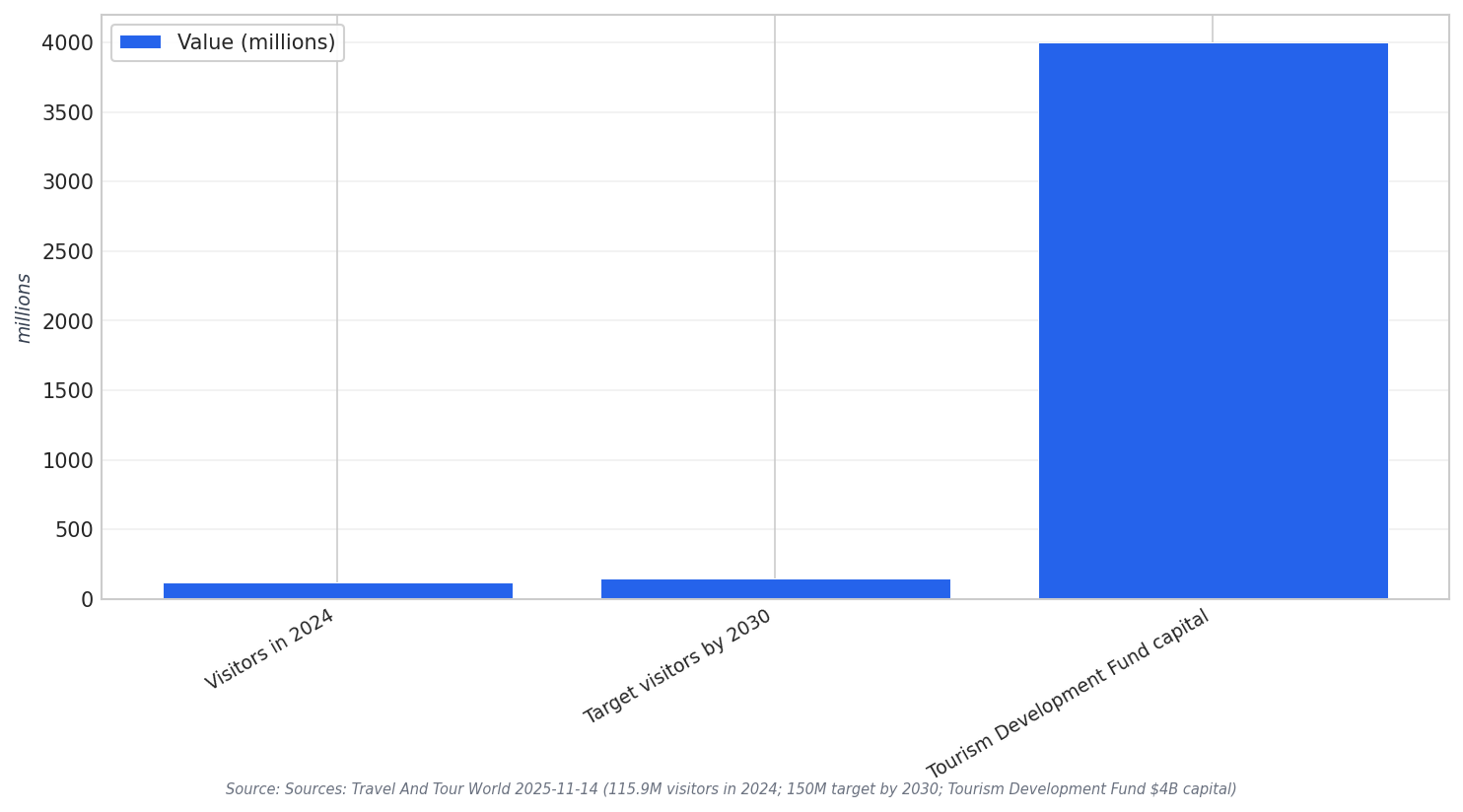
Tourism momentum is already visible in visitor figures and future targets. Saudi Arabia surpassed 115.9 million visitors in 2024, exceeding its initial Vision 2030 goal. It has also set a new goal of attracting 150 million visitors annually by 2030. These targets are supported by a financial ecosystem that includes the Tourism Development Fund, with $4 billion in capital, and by projects that create long-term investment opportunities in hospitality, infrastructure, and the creative industries.
Public-private collaboration is another defining feature of the current tourism buildout. As of March 2026, total investments in tourism reached SAR219 billion ($58.4 billion). Public sector contributions amount to SAR233 billion ($62.1 billion), helping create a sustainable growth model that promotes both private investments and government-backed projects. The sources also highlight incentives for investors, including long-term tax exemptions for multinational companies, wage support for positions requiring Saudization, reductions in municipal licensing fees, and financing options through the Tourism Development Fund.
Neom and the 2026–2030 Shift Toward Disciplined Delivery
The PIF has approved its 2026–2030 strategy, described as a new phase of focused growth and investment efficiency. The plan emphasizes sustained value creation and higher financial returns, while seeking to enhance governance, transparency, and efficient investment management. Within this approach, tourism and the ambitious Neom project are positioned as key pillars of the Vision 2030 transformation. Neom is described as a flagship, high-tech city designed to be a hub for innovation, business, and tourism, and the PIF’s commitment is expected to drive significant growth and innovation in the sector.
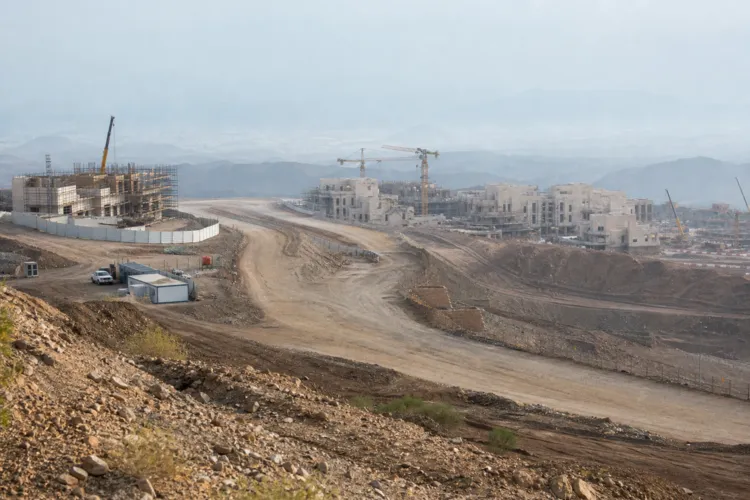
Destination development extends beyond Neom, with the Kingdom prioritising leisure infrastructure through government-backed funding and strategic policy leadership. Key projects cited include luxury coastal resorts on the Red Sea, the cultural heritage destination at AlUla, entertainment cities like Qiddiya, and urban transformation plans in Riyadh and Jeddah. These infrastructure investments are designed to create year-round tourism appeal and reduce seasonal fluctuations associated with religious tourism. The policy toolkit includes tourism-oriented e-visas, streamlined travel facilitation systems, and public-private partnerships that encourage foreign business participation.
Across these initiatives, the PIF is also framed as supporting the cultivation of “global champions” within key domestic industries, aligning with Vision 2030’s diversification aims. Taken together, pif tourism investments, public incentives, and large-scale destination projects signal a tourism strategy built for scale, resilience, and long-term returns. The result is a tourism landscape shaped by new destinations, new funding channels, and a clearer pipeline from capital commitment to delivered visitor experiences.
What does “pif tourism investments” refer to in Saudi Arabia’s tourism shift?
How many visitors did Saudi Arabia record in 2024, and what is the 2030 goal?
What does the PIF’s 2026–2030 strategy change in approach?
What do the sources say about public and total tourism investment levels?
Which types of tourism projects are highlighted as reshaping the leisure landscape?
Talk to us for your needs in:
-
Tourism Infrastructure Planning and Optimization
-
Destination Marketing and Brand Strategy
-
Tourism Workforce Development and Training
-
Sustainable Tourism Solutions
-
Visitor Experience Enhancement and Engagement
-
Tourism Project Feasibility and Strategic Planning
-
Saudi Tourism Benchmarking