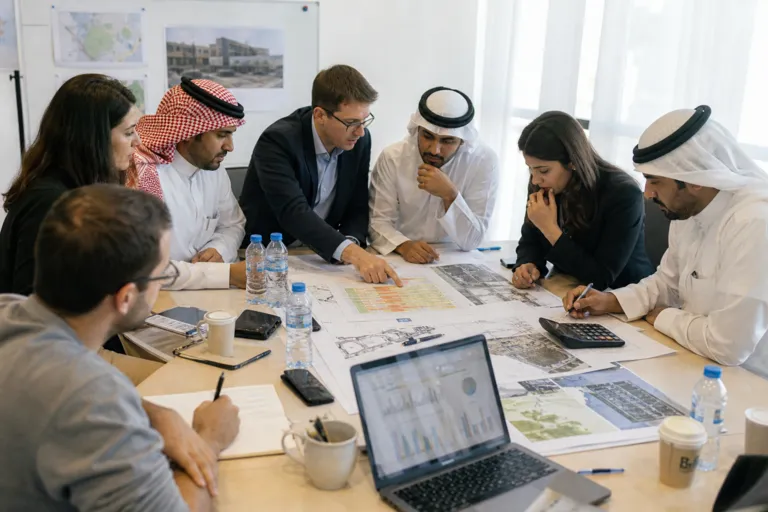
A bankable tourism feasibility study saudi arabia investors can rely on starts with context. Saudi Arabia is described as a fertile environment for investment and entrepreneurship, driven by Vision 2030, which aims to diversify the economy and strengthen the private sector. With increasing opportunities, competition and potential risks are also rising. A feasibility study is positioned as a fundamental investment that reduces risks and increases the chances of success for any business venture in the Kingdom of Saudi Arabia.
Demand proof matters in tourism. Saudi Arabia launched its National Tourism Strategy aimed at attracting 100 million tourists annually by the end of this decade. In 2024, Saudi Arabia welcomed 115.9 million tourists, surpassing that Vision 2030 target six years ahead of schedule. Use this momentum as a top-level market signal, then translate it into a project-level demand story that lenders can test.
What to Include in a Bankable Study
Start with market analysis built on reliable references. One source highlights that data from the General Authority for Statistics in Saudi Arabia serves as an important reference for market analysis and accurate decision-making when preparing a data-driven feasibility study model. Build your market section by mapping the overall market dynamics, including size, growth trends, and major segments. For Saudi Arabia, cited segments include leisure tourism, cultural tourism, entertainment tourism, and religious tourism.
Next, make the demand analysis specific. A comprehensive tourism market research study stresses understanding who the target customers are and what motivates them to travel, focusing on characteristics, preferences, and behavior. Connect that to the country’s tourism evolution under Vision 2030. Before Vision 2030, Saudi Arabia’s tourism sector was almost exclusively religious, centered on Hajj and Umrah pilgrimages. That shift supports segmentation logic and product-market fit arguments in your feasibility study.
Then show how your project aligns with national direction and credible delivery pathways. A research paper reviewing secondary data from the Saudi Ministry of Tourism, OECD, UNWTO, and the World Bank discusses flagship projects such as NEOM, the Red Sea Project, and Diriyah Gate. Also quantify workforce relevance where possible: tourism is described as a major employment generator in Saudi Arabia, creating 1.3 million jobs by 2022, up from 900,000 in 2018. Finally, address bankability and risk reduction. An Arab News report notes dedicated financial vehicles such as the Tourism Development Fund and the PIF channel public capital into tourism assets of all scales, while platforms like Invest Saudi streamline investor access, approvals, and aftercare—mechanisms that reduce risk, expand access to finance, and accelerate delivery of bankable tourism projects.
What is a tourism feasibility study saudi arabia investors will consider bankable?
Which tourism segments should be covered in Saudi Arabia market research?
What demand proof can a tourism project cite from recent performance?
How can a feasibility study support risk reduction and financing readiness?
What role does tourism play in jobs, based on the sources?
Talk to us for your needs in:
-
Tourism Infrastructure Planning and Optimization
-
Destination Marketing and Brand Strategy
-
Tourism Workforce Development and Training
-
Sustainable Tourism Solutions
-
Visitor Experience Enhancement and Engagement
-
Tourism Project Feasibility and Strategic Planning
-
Saudi Tourism Benchmarking