Hail is moving from a lesser-known stop to a high-interest destination for travelers who want heritage, nature, and culture in one itinerary. In the first half of 2025, the Hail region attracted more than 3 million visitors, according to multiple reports, and visitor numbers were also described as rising by 170% in the same period. This momentum is tied to strategic investments in tourism facilities and infrastructure, and to the pull of landmark sites that connect visitors to Saudi Arabia’s deeper past. With mountains, open landscapes, and a moderate climate cited as key draws, the region is being positioned for rural tourism, outdoor activities, and festival-led travel.
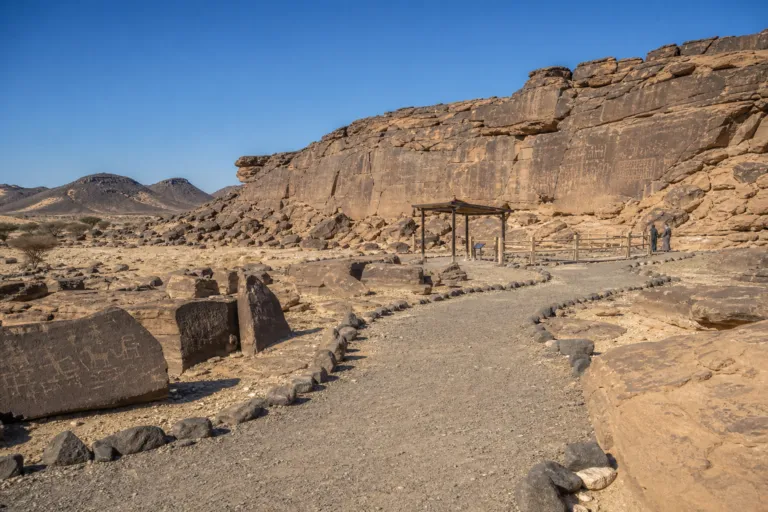
The strongest heritage anchors are two UNESCO World Heritage Sites highlighted in the sources: Jabal Umm Sinman in Jubbah and the Shuwaymis rock carvings. These locations are repeatedly described as featuring ancient petroglyphs and rock carvings dating back thousands of years, offering insight into early human civilization and artistic expression across centuries. For trip planning, guidance in the sources emphasizes building a visit around these rock art sites, and pairing them with hiking and outdoor exploration in Hail’s mountainous terrain. The overall experience is framed as both educational and immersive, grounded in preserved cultural sites rather than staged attractions.
Why the North Matters: Festivals, Lodging, and New Demand
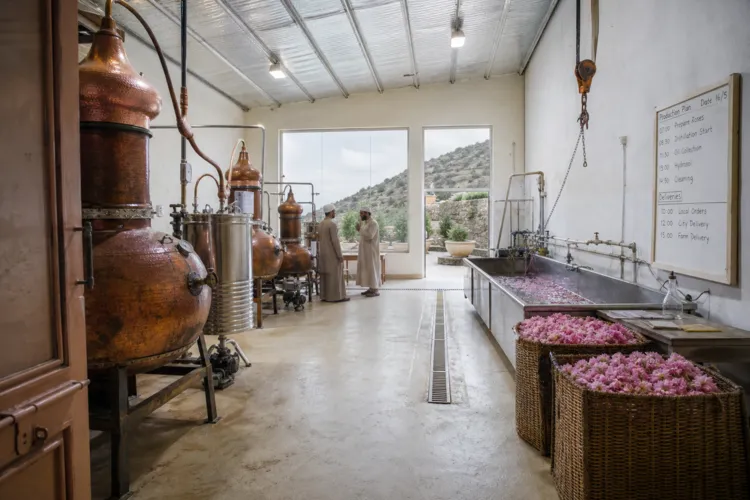
Culture-based programming is described as a practical driver that converts curiosity into bookings. Reports cite festivals and curated cultural events that celebrate local traditions, crafts, and cuisine, helping strengthen Hail’s reputation as a “living heritage” destination. Travel planning advice also notes booking accommodations early during major events such as the Arabian Horse Show and the Beit Hail Festival. On the product side, sources point to new rural lodges set in serene landscapes, designed to support rural life experiences alongside comfort. Sustainability is also referenced as part of the region’s direction, linking economic growth with environmental conservation while tourism facilities expand.
For investors and operators, the opportunity is easier to see when Hail’s rise is placed beside broader market signals. Globally, the heritage tourism market was valued at $624.6B in 2025 and is projected to grow from $647.5B in 2026 to $937B by 2033, at a CAGR of 5.4%. Separate research values the global desert tourism market at $27.8 billion in 2025 and projects $54.6 billion by 2034, at a 7.8% CAGR. These figures are global, not Hail-specific, but they frame why heritage-and-desert destinations with clear signature assets—like UNESCO rock art and festival calendars—can attract developer and operator attention.
Within Saudi Arabia, the sources also describe government-led initiatives under Vision 2030, and they cite desert-focused investment examples elsewhere in the country. One report states that investments exceeding $7 billion have been directed into tourism infrastructure in AlUla since 2022, and another projection expects AlUla to draw 4.5 million visitors annually by 2030. These examples are not presented as Hail data, but they show how quickly a heritage desert destination can scale when infrastructure, access, and experience design align. In that context, Hail tourism stands out as a north-central case where UNESCO-recognized rock art, rural lodging, and repeatable cultural events can combine into an investable, year-round travel proposition.
What is driving the recent surge in visitors to Hail?
Which UNESCO sites should visitors prioritize in the Hail region?
How do festivals influence travel planning for Hail?
What global trends support more investment in heritage and desert experiences like those in Hail?
What does the growth of Hail tourism suggest for northern investment opportunity?
Talk to us for your needs in:
-
Tourism Infrastructure Planning and Optimization
-
Destination Marketing and Brand Strategy
-
Tourism Workforce Development and Training
-
Sustainable Tourism Solutions
-
Visitor Experience Enhancement and Engagement
-
Tourism Project Feasibility and Strategic Planning
-
Saudi Tourism Benchmarking