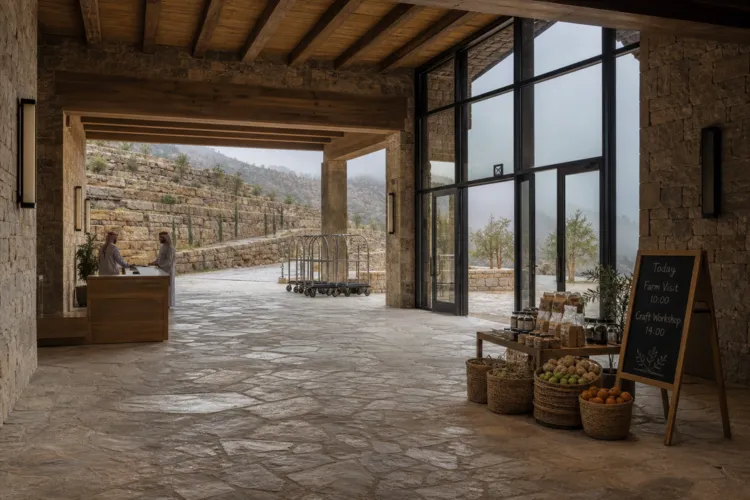
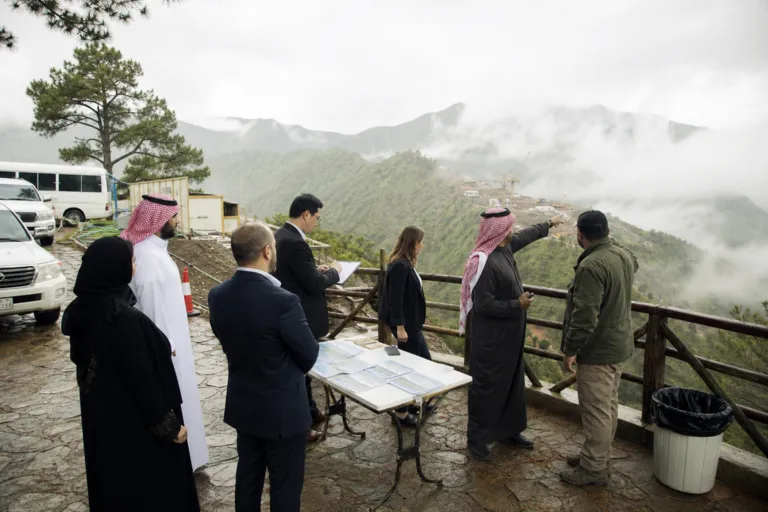
Soudah Peaks is emerging in a part of Saudi Arabia that defies the country’s desert stereotype. In Abha, mountains appear “emerald green,” and the air can be cool enough to need a jacket. A short drive from the city, Al Sahab Park draws crowds to watch evening mist wrap Jabal Soudah. That peak is described as the country’s highest at 9,892 feet. One visitor summed up the pull in a simple phrase: people come to “touch the clouds.” For investors, that emotional hook matters because it signals a destination with distinct experiences that can support tourism-linked demand.
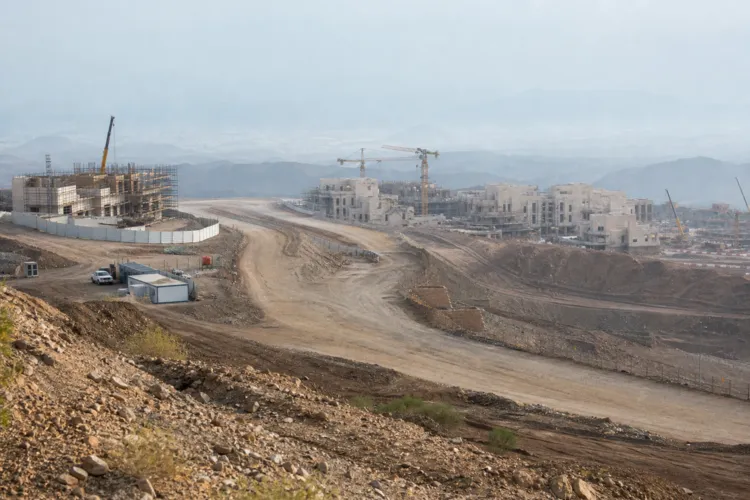
Any investment view of soudah peaks also sits inside a wider national tourism push. Saudi Arabia is spending nearly $1 trillion to transform tourism as part of Crown Prince Mohammed bin Salman’s Vision 2030 plan. That scale changes the risk-and-reward equation for new destinations. It can bring infrastructure, marketing momentum, and a pipeline of visitor flows. It also brings local sensitivities that matter to long-term value. The same reporting notes that locals welcome visitors and investment, but worry about rising rents, heavy construction, and restrictions that could erase the region’s free-spirited character.
Where the Investment Signals Are Coming From
While sources do not list specific deal figures for soudah peaks, they show a clear national direction toward structured investment opportunities and more private participation. In AlUla, the Royal Commission for AlUla is pitching about 41 billion SAR (around $11 billion) worth of opportunities between now and 2030, with roughly 6.5 billion SAR described as “ready to go.” The stated goal is a 50-50 balance between public and private investment, reflecting a model that can shape expectations across other destinations. For investors watching Saudi tourism, this signals a move toward shared ownership, clearer pipelines, and repeatable deal frameworks.
Capital allocation choices also matter because they shape how mega-project ambitions are prioritized. At the Red Sea coast’s Amaala development, sources describe Triple Bay as stretching over 68 kilometers and being designed to accommodate up to half a million visitors annually. It is also intended to be fully powered by solar energy once operational. Yet the Public Investment Fund is described as having written down about $8 billion in value from its giga-project portfolio in 2024 amid cost pressures and reassessment of priorities. For prospective partners, that combination underscores opportunity alongside discipline: projects can still advance, but timelines and scope may be scrutinized.
A diversified economy context supports the broader investment case around tourism destinations like soudah peaks. Saudi Arabia estimates untapped mineral resources at about $2.5 trillion, and the Arabian Shield is described as believed to contain $2.5 trillion in mineral wealth, nearly double earlier estimates of $1.3 trillion. In parallel, Maaden’s CEO has spoken of plans to invest $110 billion over the next decade, and the company reported net profit rising 127% to SAR2.2 billion in the quarter ending September 2025, with revenue up 24% to SAR10 billion. These figures are not tourism metrics, but they illustrate the scale of national investment activity and how different sectors can reinforce regional development, jobs, and infrastructure.
For investors evaluating soudah peaks, the most defensible thesis from the sources is experience-led demand in a rare high-altitude setting, paired with a national tourism transformation approaching $1 trillion in spending. The destination’s appeal is already framed through nature, culture, and cool-weather relief, including parks, cafes, and festivals in Abha. The main execution risk highlighted is community impact, especially rents and overbuilding. A practical approach is to align proposals with the “touch the clouds” positioning, while planning for local acceptance and long-term character preservation as core value drivers.
What is soudah peaks known for in the sources?
How does Vision 2030 relate to investment around new destinations?
What is an example of Saudi Arabia inviting more private investment in tourism?
What local concerns are mentioned alongside tourism growth?
Talk to us for your needs in:
-
Tourism Infrastructure Planning and Optimization
-
Destination Marketing and Brand Strategy
-
Tourism Workforce Development and Training
-
Sustainable Tourism Solutions
-
Visitor Experience Enhancement and Engagement
-
Tourism Project Feasibility and Strategic Planning
-
Saudi Tourism Benchmarking