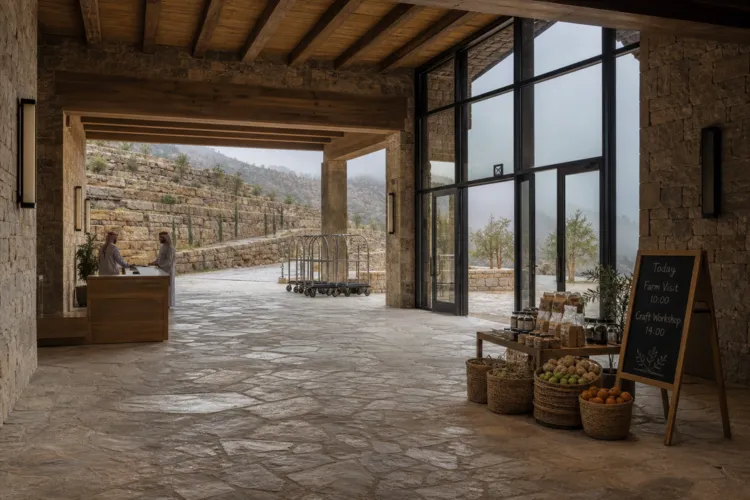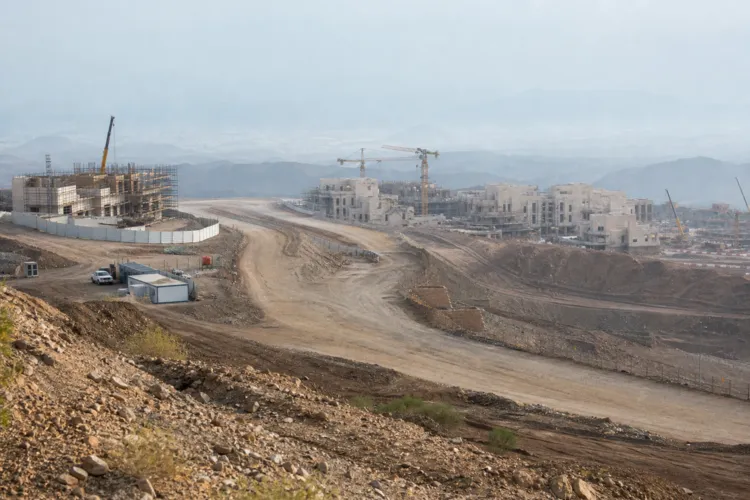
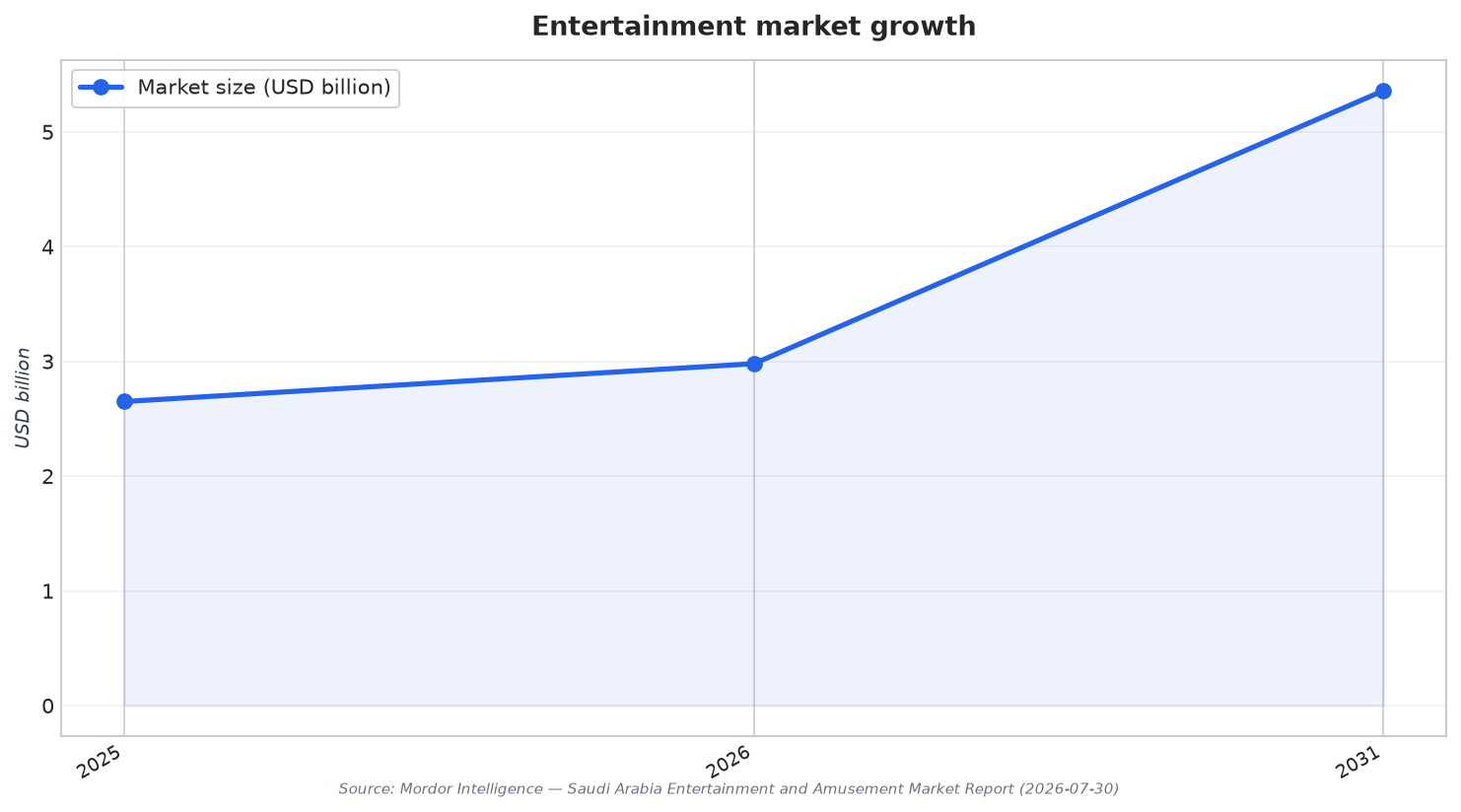
AlUla and NEOM sit at the center of a Saudi strategy that treats production infrastructure as a path to screen tourism. The bet is that crews come for landscapes, and then stay for stages, services, and a smoother production experience. Screen Global Production reports a competitive incentive programme that includes a 40% rebate, alongside an expanding pool of local talent. In the Saudi Film Commission’s inaugural annual report, 65 production companies now operate in Saudi Arabia, generating more than $288m (SAR 1.08bn) in local expenditure through national incentive programmes. In parallel, the wider leisure context keeps expanding. Mordor Intelligence estimates the Saudi Arabia entertainment and amusement market at USD 2.98 billion in 2026, up from USD 2.65 billion in 2025, with projections of USD 5.36 billion by 2031 at a 12.4% CAGR (2026–2031).
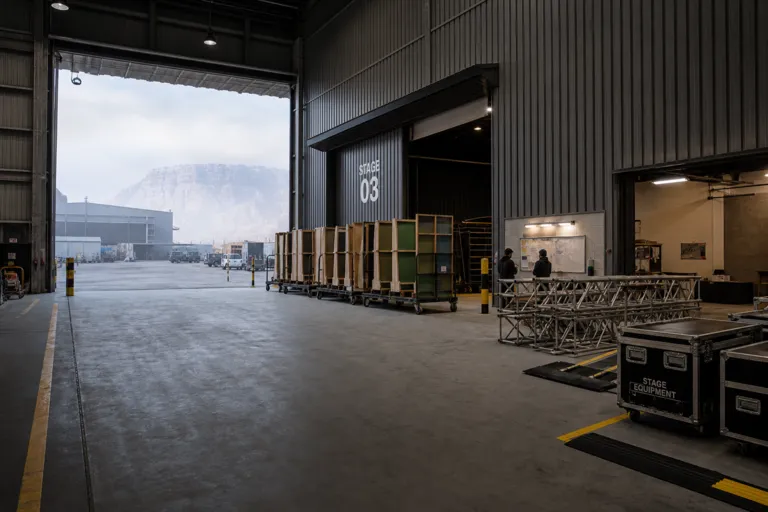
Film AlUla’s pitch is the tight pairing of a UNESCO World Heritage setting with production infrastructure that can support international expectations. Screen Global Production says Film AlUla has hosted over 1,500 production days since launching. It also says the studio complex opened its first phase in 2023 and includes two major soundstages supported by production buildings, plus construction workshops, costume and wardrobe spaces, catering facilities, a large backlot, and a sound-recording studio that can accommodate a 32-piece orchestra with advanced acoustic treatment. Arab News adds that Film AlUla increasingly reduces barriers for international studios by offering end-to-end production support, including permits, visas, logistics, and incentives. That operational layer matters for screen tourism, because it makes AlUla more than a backdrop; it makes the region a repeatable production base.
NEOM and AlUla: Building Capacity for the Full Production Cycle
NEOM approaches the same goal at different scale and timeline. Screen Global Production reports NEOM launched its soundstages in autumn 2022 and has hosted more than 40 productions across two hubs: Media Village and Bajdah Desert Studios. Screen Daily adds that NEOM plans include increasing its stage count to more than 25 soundstages within a comprehensive media hub of between 850,000 and 1 million square metres by 2045. These are forward-looking plans rather than current capacity, but they signal intent to keep productions inside the Kingdom longer, from shoot days through controlled-stage work. In the same period, Screen Global Production notes additional studio options are emerging, including Jax Film Studios and the recently opened PlayMaker Studios at Qiddiya City, which broadens the facility mix for incoming projects.
This production-infrastructure push runs alongside a larger leisure build-out that can help turn filming locations into travel demand. Mordor Intelligence says government entities channelled more than SAR 50 billion (USD 13.33 billion) into leisure infrastructure between 2024 and 2025, anchoring 21 Saudi Entertainment Ventures (SEVEN) destinations, the Qiddiya mega-theme-park cluster, and mixed-reality zones inside NEOM. Its market breakdown shows how visitor demand is already structured: families captured 46.78% of the entertainment and amusement market share in 2025, while ticket sales accounted for 50.10% of revenue, and Riyadh held 52.10% of regional share. Activation Nation also frames AlUla and NEOM as “emerging long-horizon opportunities” with significant government investment and longer development timelines for commercial event activity, reinforcing that the screen-tourism payoff is being built for durability, not speed.
For Saudi film studios investment, the throughline is simple: reduce friction for productions, then convert global visibility into local economic activity. Film AlUla’s four-film collaboration with Stampede Ventures begins with Chasing Red, with production commencing in the month cited by Screen Global Production, and Arab News also points to the same title as an example of the multi-film partnership. NEOM, meanwhile, has already hosted internationally recognizable projects, including Rupert Wyatt’s Desert Warrior and Rajkumar Hirani’s Dunki, per Screen Global Production. The ecosystem story is reinforced by the Vision2030.ai overview, which describes a dedicated production zone in NEOM and notes how Saudi Arabia’s diverse geography supports varied natural locations, including AlUla’s sandstone formations and the Red Sea coastline. Together, AlUla and NEOM show how infrastructure, incentives, and place-branding are being assembled into one screen-tourism proposition.
What makes AlUla’s studio proposition different for visiting productions?
How many productions has NEOM hosted since launching its facilities?
What is NEOM planning for future soundstage capacity?
How does Saudi Arabia’s incentive model show up in reported industry activity?
What does Saudi film studios investment aim to achieve beyond hosting location shoots?
Talk to us for your needs in:
-
Tourism Infrastructure Planning and Optimization
-
Destination Marketing and Brand Strategy
-
Tourism Workforce Development and Training
-
Sustainable Tourism Solutions
-
Visitor Experience Enhancement and Engagement
-
Tourism Project Feasibility and Strategic Planning
-
Saudi Tourism Benchmarking