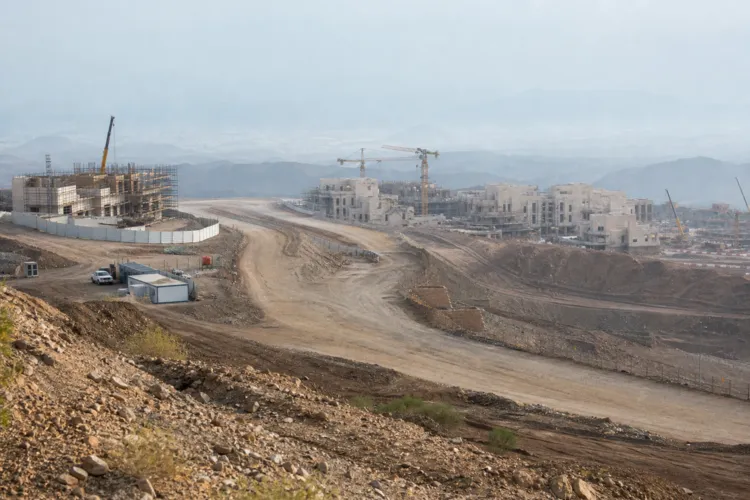
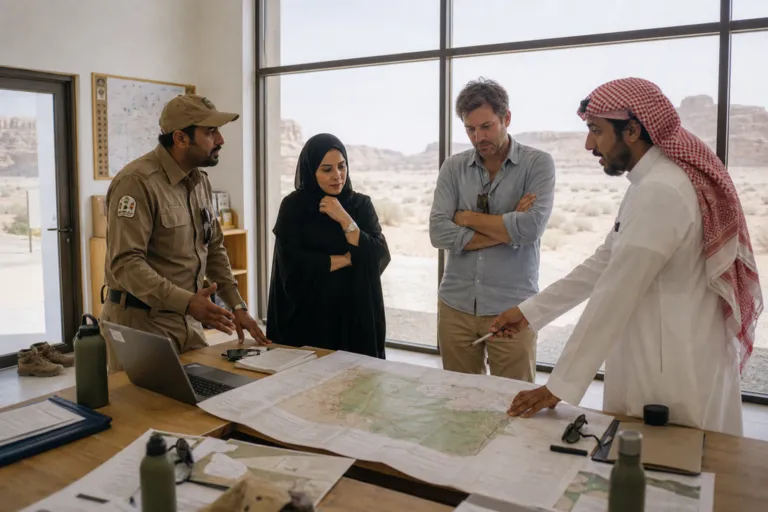
Royal nature reserves and other protected lands in Saudi Arabia sit at the center of two priorities. One priority is to develop tourism with private capital. Another priority is to protect ecosystems through national sustainability commitments. Sources point to a practical way to reconcile both goals: structured concession models and public-private partnerships (PPPs) that set clear responsibilities for investors and operators. A governance backbone matters here. Saudi Arabia is also working with regulatory clarity through the Tourism Law and an expanding electronic visa system to facilitate international arrivals, while pushing approaches that mitigate emissions at the source, build adaptive waste-management systems, and actively restore ecosystems.
AlUla provides a concrete reference for how a protected heritage landscape can be packaged for investable tourism. The Royal Commission for AlUla is pitching about 41 billion SAR (around $11 billion) worth of investment opportunities in AlUla between now and 2030, according to its Chief Tourism Officer Phillip Jones. Jones also said roughly 6.5 billion SAR of opportunities are “ready to go.” The goal is a 50-50 balance between public and private investment. This framing can translate into concession-style structures for protected lands, where government sets conservation and visitor rules and private partners deliver defined assets and services within those limits.
Concession and PPP Building Blocks in Protected Lands
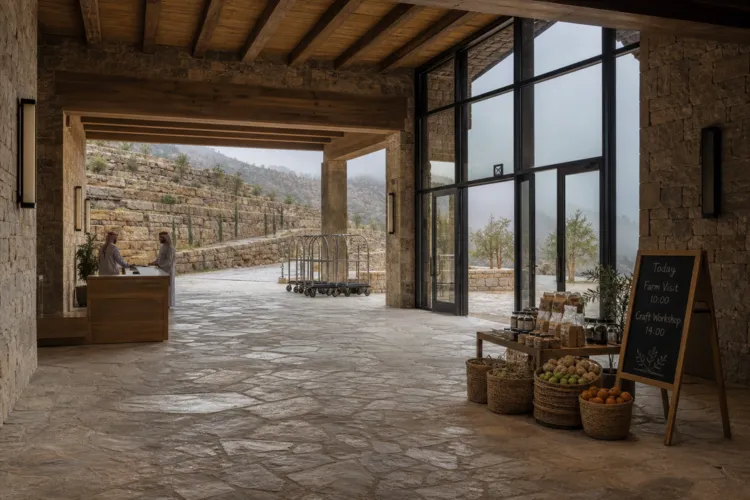
Across the tourism agenda, Saudi Arabia emphasizes preserving heritage assets while transforming them into productive tourism resources. Diriyah is cited as a model for heritage development, with authorities working to preserve historic assets and transform them into cultural and economic hubs. For protected landscapes, concessions can specify what is allowed, where it is allowed, and how operations will be monitored. This approach fits the wider emphasis on institutional coordination and private-sector accountability. It also aligns with the National Tourism Strategy’s focus that capital alone does not create a sustainable economy, and that lasting value depends on an integrated ecosystem built on effective PPPs and shared responsibility.
Sustainability commitments also shape how concession contracts can be written. Under the Saudi Green Initiative, the government committed to protecting 30% of the Kingdom’s land and marine territory by 2030. Hospitality sector commentary highlights that SGI priorities focus on reducing carbon emissions, restoring and protecting natural ecosystems, and improving quality of life through sustainable development. Although SGI does not target hotels explicitly, it reshapes the framework in which hospitality operates, making sustainability a strategic requirement aligned with national priorities. In protected lands, that can mean operator obligations around resource use, visitor management, and ecosystem restoration activities.
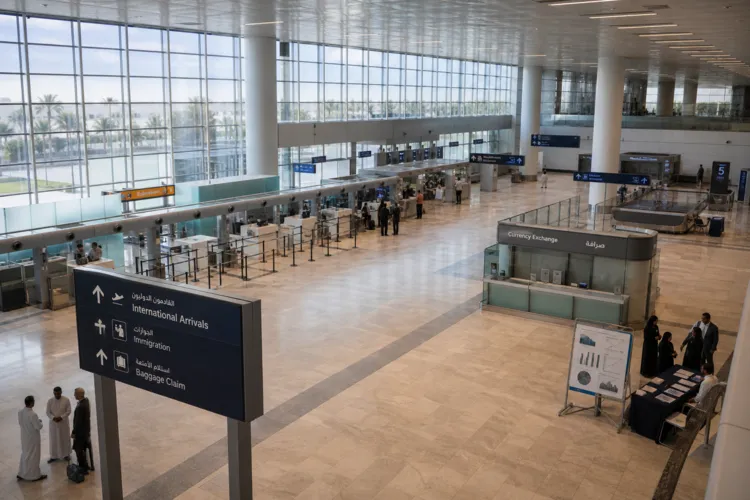
Investment readiness also depends on how destinations connect to infrastructure and demand. Saudi Arabia’s hospitality sector is described as supported by proactive government support and major projects, alongside infrastructure development that enhances readiness and strengthens long-term investment viability. In the Red Sea context, Newsweek reported that Triple Bay is scheduled to open in the coming months and that visitors should be able to reach the destination through the Red Sea International Airport. Meanwhile, AlUla’s next-phase pitch explicitly targets a shift from government-led funding toward shared ownership with the private sector. Together, these signals suggest protected-land tourism can scale through bankable concessions that are paired with enabling access and clear operating standards.
Finally, protected-land models can diversify funding beyond classic project finance. Consultancy-me reported that Awqaf announced an initial contribution of SAR 100 million to the Namaa endowment fund, described as a foundation for a sustainable endowment model. The fund is designed to direct structured and transparently managed capital toward environmental, water, and agricultural sustainability. For saudi royal reserves tourism, that kind of mechanism can complement concessions by funding conservation outcomes while private operators focus on delivering visitor experiences within regulated limits. The result is a clearer division of roles: policy and protection by public entities, services and innovation by private partners, and sustainability finance that supports long-term stewardship.
What does “saudi royal reserves tourism” mean in investment terms?
What proof is there that Saudi destinations are seeking private co-investment?
Which national sustainability target is most relevant to protected-land tourism models?
How does regulation support private-sector accountability in tourism projects?
What alternative funding tool could support conservation alongside concessions?
Talk to us for your needs in:
-
Tourism Infrastructure Planning and Optimization
-
Destination Marketing and Brand Strategy
-
Tourism Workforce Development and Training
-
Sustainable Tourism Solutions
-
Visitor Experience Enhancement and Engagement
-
Tourism Project Feasibility and Strategic Planning
-
Saudi Tourism Benchmarking