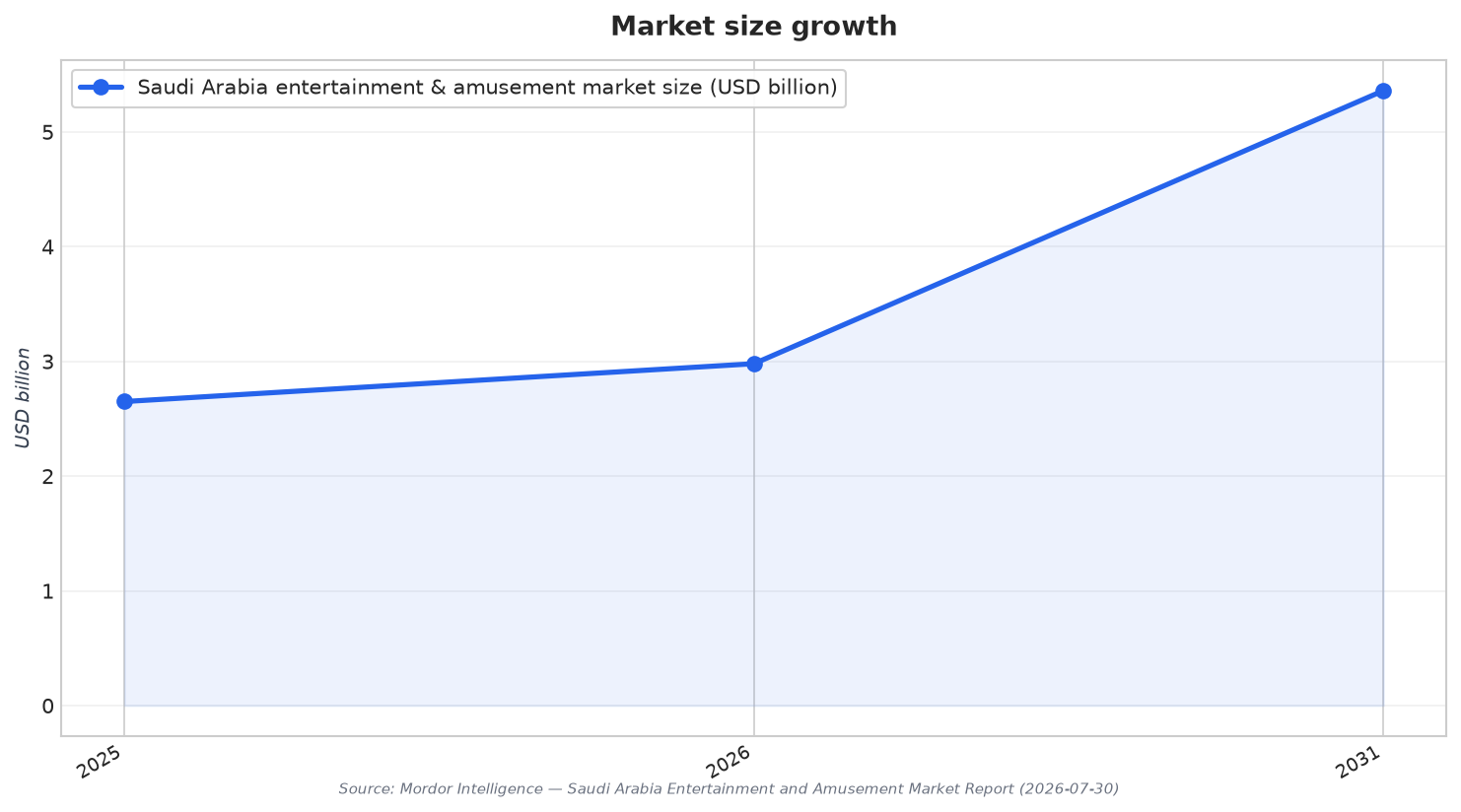
For operators building a family entertainment center in Saudi Arabia, the macro backdrop is supportive and increasingly quantified. Mordor Intelligence estimates the Saudi Arabia entertainment and amusement market at USD 2.98 billion in 2026, up from USD 2.65 billion in 2025, with projections reaching USD 5.36 billion by 2031 (12.4% CAGR over 2026–2031). Within that market, family entertainment centers were the leading venue type with a 36.02% share in 2025, while families represented 46.78% of the visitor demographic share in 2025. Riyadh alone held 52.10% of market share by region in 2025, which helps explain why mall-anchored rollouts concentrate in the capital first and then expand outward.
Unit economics in this category start with revenue mix and attach rates rather than only headline footfall. In Mordor’s 2025 split, ticket sales accounted for 50.10% of the Saudi market’s share by revenue stream, and premium experiences are forecast to grow at a 20.1% CAGR through 2031. A separate Saudi market research source similarly frames ticket sales as the backbone, putting ticket revenue at 50.83% in 2024 and citing premium add-ons such as VIP passes and AR-enhanced tours growing at a 20.73% CAGR. That same source points to ticket bundles starting at SAR 89 (USD 23.7), with upsold food combos used to lift per-visitor spending. Together, these figures indicate operators are trying to protect margins by pairing base admission with higher-yield upgrades and bundled F&B.
Mall Partnerships: Anchors, Footfall, and More Predictable Demand
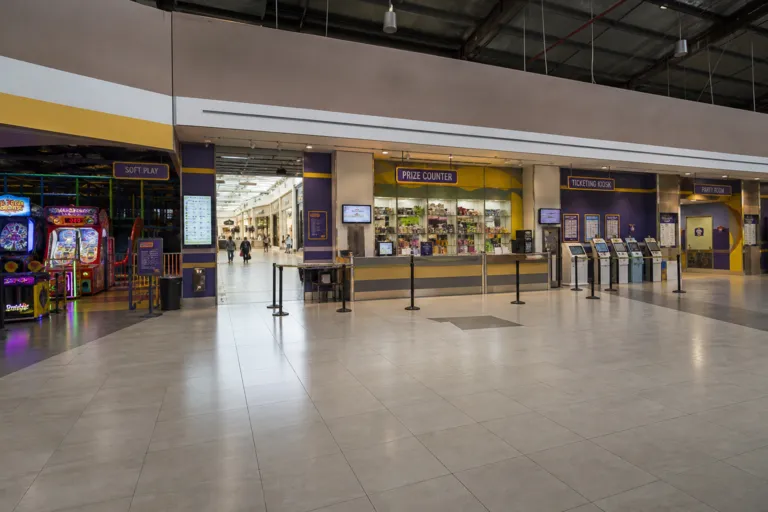
Mall partnerships matter because they convert entertainment into an anchor strategy, not just a tenant line item. Mordor describes a “visible pivot toward leisure components inside mixed-use real-estate projects” and explicitly links growth to “rapid rollout of mall-anchored family entertainment centers.” One market outlook source adds that intra-kingdom leisure trips rose 17% year-on-year in 2025, supported by bundled hotel-and-attraction packages and discounted transport partnerships. It also claims these campaigns boosted mall foot traffic by 11% and helped stabilize operator revenues beyond peak religious seasons. For a mall landlord, an FEC can lengthen dwell time and diversify dayparts; for an operator, co-marketing and bundled offers can smooth weekly volatility and improve capacity utilization.
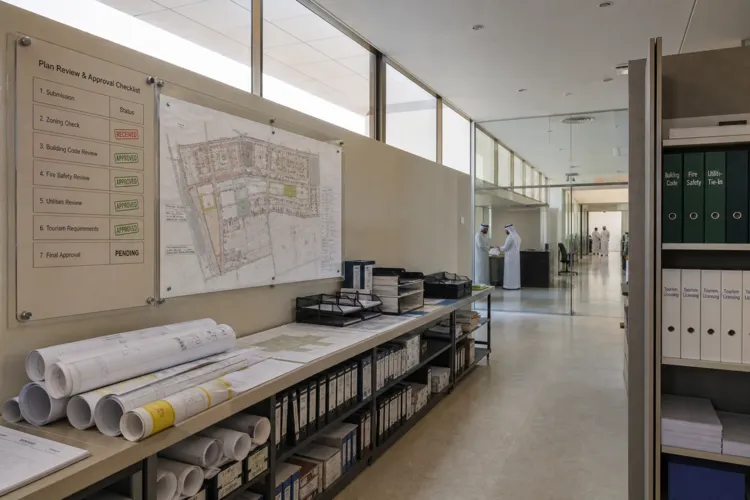
Licensing and partnerships show up at two levels: regulatory licensing and IP or technology licensing. On the regulatory side, one source states the General Entertainment Authority (GEA) has streamlined licensing processes and attracted global entertainment brands, listing AMC Theatres, VOX Cinemas, and IMAX as examples. On the supply and IP side, Mordor highlights intensified Vision 2030 capital expenditure and says government entities channeled more than SAR 50 billion (USD 13.33 billion) into leisure infrastructure between 2024 and 2025, anchoring 21 Saudi Entertainment Ventures (SEVEN) destinations alongside Qiddiya and mixed-reality zones in NEOM. Mordor also notes that this funding pipeline “attracts global IP partners to license ride technologies,” which directly affects how FECs differentiate, refresh content, and negotiate vendor terms.
Format strategy increasingly blends classic family play with tech-driven experiences, which affects capex planning and refresh cycles. Mordor reports mixed reality and VR arcades are projected to expand at an 18.5% CAGR through 2031, and another source cites VR and mixed-reality arcades growing at a 19.27% CAGR through 2030 while still under 5% share. The same Saudi-focused source that discusses AI also claims operational impacts at major venues, including reduced wait times by up to 30% from machine-learning itinerary suggestions and reduced bottlenecks by 25% during peak hours through smart crowd management in Riyadh and Jeddah. Whether positioned as a stand-alone attraction or embedded inside an FEC, these capabilities can influence labor scheduling, throughput, and the economics of premium upsells.
What share of Saudi Arabia’s entertainment market do family entertainment centers hold?
What does the revenue mix suggest about unit economics for FEC operators?
Why are mall partnerships so important for a family entertainment center in Saudi Arabia?
What funding and project pipeline signals support licensing and expansion?
How fast are VR and mixed-reality formats growing relative to the broader market?
Talk to us for your needs in:
-
Tourism Infrastructure Planning and Optimization
-
Destination Marketing and Brand Strategy
-
Tourism Workforce Development and Training
-
Sustainable Tourism Solutions
-
Visitor Experience Enhancement and Engagement
-
Tourism Project Feasibility and Strategic Planning
-
Saudi Tourism Benchmarking