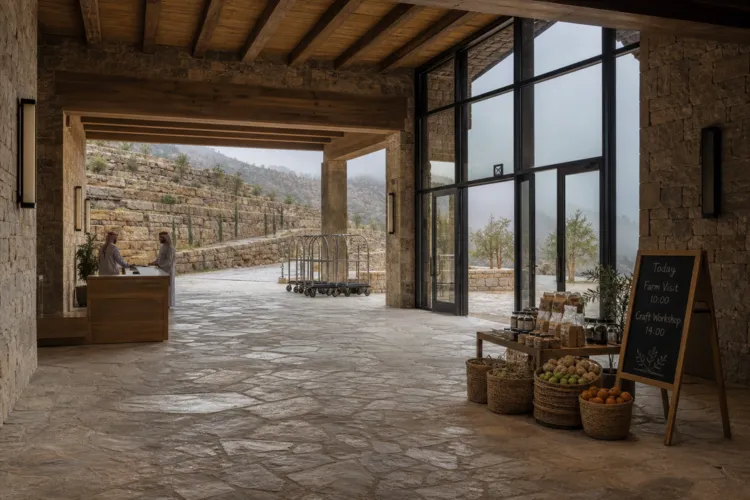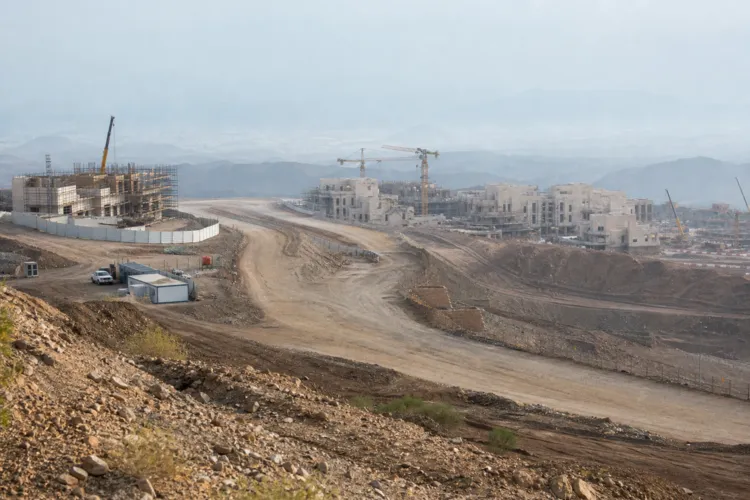
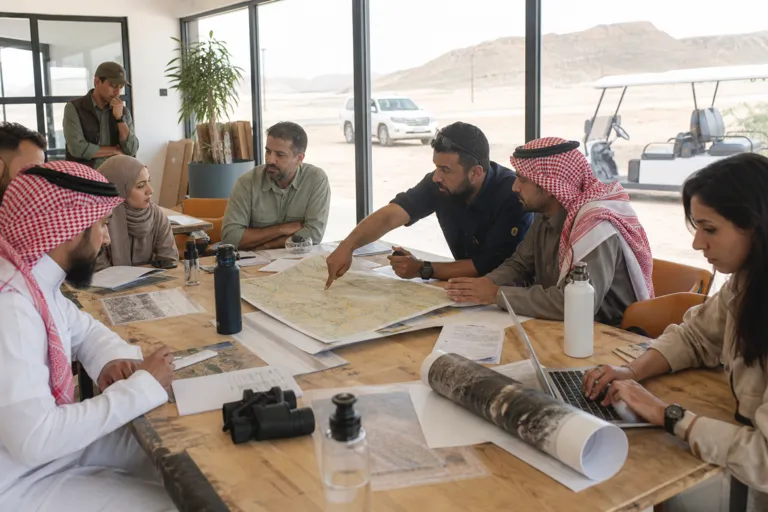
Saudi Arabia’s tourism push is being framed around sustainability and governance, not only visitor growth. One study cited by Consultancy-me describes the shift as an ambitious transformation, with tourism becoming a central pillar in diversifying the economy into more non-oil activity. The 2019 National Tourism Strategy set sustainability as a fundamental principle. The approach emphasizes minimizing ecological impact by mitigating emissions at the source, building adaptive waste management systems, and actively restoring ecosystems. For investors exploring king salman royal reserve, this matters because it positions conservation outcomes as part of the destination proposition, not an add-on.
The Saudi Green Initiative (SGI) is an important anchor for conservation-linked tourism thinking. GCSTIMES describes SGI as a national program launched in 2021 and aligned with Vision 2030. It brings together climate action, energy transition, and environmental protection under one framework. Consultancy-me adds a specific commitment under SGI: protecting 30% of the Kingdom’s land and marine territory by 2030. Hospitality is pulled into this direction because hotels and resorts are visible ambassadors of environmental ambitions, and sustainability is becoming a strategic requirement rather than a trend.
Where Investors Can Link Returns to Conservation
Mobility and access can be positioned as low-impact investment themes around nature-based tourism. Consultancy-me highlights sustainable mobility as an essential initiative, including large public transit systems such as the Riyadh Metro and the Haramain High-Speed Rail. It also notes the expansion of electric vehicle charging networks and pilots of alternative low-carbon fuels like hydrogen for transportation. For king salman royal reserve-focused tourism concepts, this supports investable ideas like visitor transport that reduces emissions at the source and complements protected-area goals, while still improving the visitor experience.
Governance signals also shape bankability, especially for projects connected to sensitive landscapes. Consultancy-me points to a strong governance structure, with institutional coordination and private-sector accountability. It also notes regulatory clarity through the Tourism Law and an expanding electronic visa system to facilitate international arrivals. Separately, the same publication underscores how heritage assets can be transformed into productive tourism resources, citing Diriyah as a model where authorities work to preserve historic assets and turn them into cultural and economic hubs that support local identity and create job opportunities. That model is relevant for nature-linked destinations that must balance use and protection.
Private capital is being actively courted in Saudi tourism, and the scale of the pitch is explicit in AlUla. Skift reports that the Royal Commission for AlUla is transitioning from government-led funding toward public-private partnerships. Its Chief Tourism Officer said there are about 41 billion SAR worth of investment opportunities in AlUla between now and 2030, with roughly 6.5 billion SAR described as “ready to go.” The stated goal is a 50-50 balance between public and private investment. While this is AlUla-specific, it provides a clear reference point for how conservation and destination-building can be packaged for private participation in places like king salman royal reserve.
For hospitality developers, SGI influences how resorts and hotels should be designed and operated. GCSTIMES notes that hospitality developments consume significant energy and water and shape visitor interaction with landscapes, coastlines, and heritage sites. That puts operational choices—energy, water, waste, and guest experience—at the center of reputational credibility as Saudi positions itself as a new tourism destination. In a conservation-linked setting such as king salman royal reserve, the investable opportunity is to align hospitality and visitor services with ecosystem restoration and protection priorities, while using clear governance signals and visa facilitation to support demand.
What is king salman royal reserve investment really tied to?
Which national commitment supports conservation-linked tourism positioning?
What mobility initiatives can support low-impact visitor access?
How does governance reduce risk for tourism investors?
Is there proof Saudi destinations are seeking private capital at scale?
Talk to us for your needs in:
-
Tourism Infrastructure Planning and Optimization
-
Destination Marketing and Brand Strategy
-
Tourism Workforce Development and Training
-
Sustainable Tourism Solutions
-
Visitor Experience Enhancement and Engagement
-
Tourism Project Feasibility and Strategic Planning
-
Saudi Tourism Benchmarking