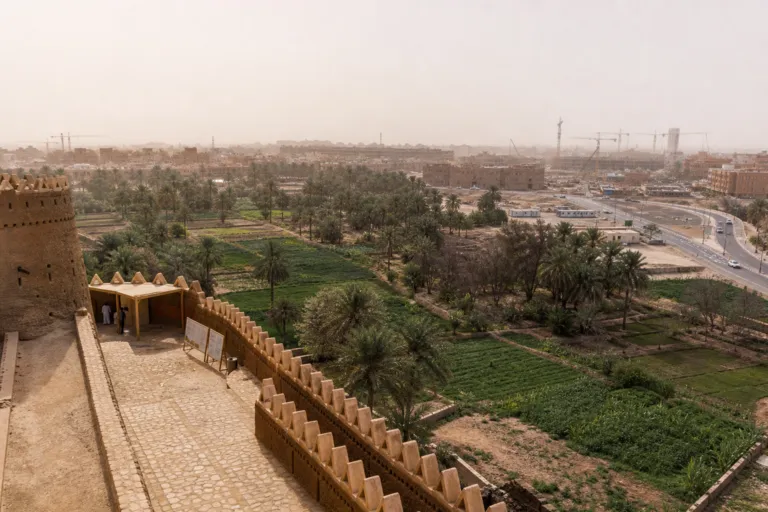
Najran sits in the southwestern corner of Saudi Arabia along the Yemeni border, and its identity is shaped by frontier geography, deep history, and a distinctive cultural landscape. The region’s economy is described as a mix of wadi agriculture, livestock, border trade, and government services, alongside small-scale manufacturing and construction that serve local needs. What differentiates Najran for travel is its combination of traditional mud-brick architecture—especially tower houses in the Najran Valley—and standout archaeological assets that are now gaining development attention under cultural tourism priorities.
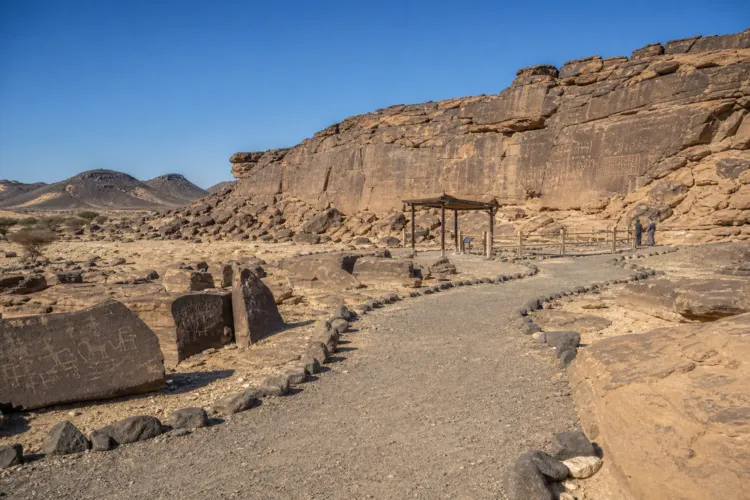
Heritage anchors a visitor experience that is both ancient and visibly preserved. The historic city of Al-Ukhdood dates back to the 4th and 5th centuries AD and is presented as a living open-air museum that draws visitors from within the Kingdom and from abroad. Najran also hosts the UNESCO World Heritage-listed Hima Cultural Area, with over 5,500 rock carvings across different historical periods. Together with other named sites—such as Al-Mandafan, ancient wells, and Al-Thuwailah—these places frame a travel narrative where history is encountered in landscapes of mountains, plains, and deserts.
Why Najran’s Southern Gateway Story Matters for Investors
The investment case links cultural differentiation to practical enablers. Najran Regional Airport provides domestic connectivity, and road links connect the region to Asir, Riyadh via the southern highway, and the Yemeni border. Water infrastructure supports agriculture and urban needs through the Najran Dam and wadi irrigation systems. On the city side, development has been underway to enhance the urban landscape and quality of life: approximately 25 projects valued at over SAR 711 million have been completed or are underway, including stormwater drainage improvements and upgraded infrastructure. For light industry and services, MODON’s Najran Industrial City provides basic industrial infrastructure aimed at small and medium manufacturing operations.
Najran’s agricultural depth adds another layer to experiential travel and value-added investment. The region is described as one of Saudi Arabia’s most important agricultural areas, with year-round cultivation of high-quality fruits and vegetables across more than 5,000 farms covering 27,000 hectares. Dates, citrus fruits, grains, and honey are highlighted as primary products, with date production described as significant and local honey as highly valued. This creates room for farm visits and learning experiences, while also supporting incremental growth opportunities in agricultural modernization and food processing tied to tourism flows.
Tourism development is also being pulled forward by entertainment-led plans. A new entertainment destination is scheduled to open in 2027, covering 100,000 square meters, and is planned to include family attractions, restaurants, and event spaces. The project is expected to stimulate investment across hospitality, retail, transportation, restaurants, and tourism services, and to open opportunities for local businesses and entrepreneurs. As a macro backdrop, Saudi Arabia’s heritage tourism market has been estimated at USD 5.11 billion in 2024 and projected to reach USD 8.48 billion by 2033, with a CAGR of 6.0% from 2025 to 2033. Against that national context, Najran tourism stands out as a niche, heritage-forward proposition where execution depends on sensitive site development and coordination with relevant authorities.
What makes Najran a distinctive heritage destination in Saudi Arabia?
What infrastructure supports visitor growth and new projects in Najran?
What is planned for the new entertainment destination in Najran?
How does agriculture connect to the visitor experience in Najran?
How should travelers think about Najran tourism when planning a trip?
Talk to us for your needs in:
-
Tourism Infrastructure Planning and Optimization
-
Destination Marketing and Brand Strategy
-
Tourism Workforce Development and Training
-
Sustainable Tourism Solutions
-
Visitor Experience Enhancement and Engagement
-
Tourism Project Feasibility and Strategic Planning
-
Saudi Tourism Benchmarking