Public-private partnerships are increasingly central to how destinations are financed and operated in Saudi tourism. Multiple sources describe regulatory modernization that has created clearer governance structures, faster licensing processes, and improved coordination among authorities. These changes are positioned as reducing development timelines, mitigating regulatory risk, and improving investor confidence in market stability. The National Tourism Strategy is also described as recognizing that capital alone is not enough, and that an integrated ecosystem built on effective public-private partnerships and a competitive business environment supports long-term prosperity.
AlUla provides a clear example of tourism PPP deal-making. The Royal Commission for AlUla said it is embarking on about 41 billion SAR (around $11 billion) worth of investment opportunities between now and 2030. Roughly 6.5 billion SAR of those opportunities are described as “ready to go.” The stated goal is a 50-50 balance between public and private investment. This is explicitly framed as a transition away from relying on public money alone as AlUla moves into its next development phase.
Frameworks That Make Tourism PPP Bankable
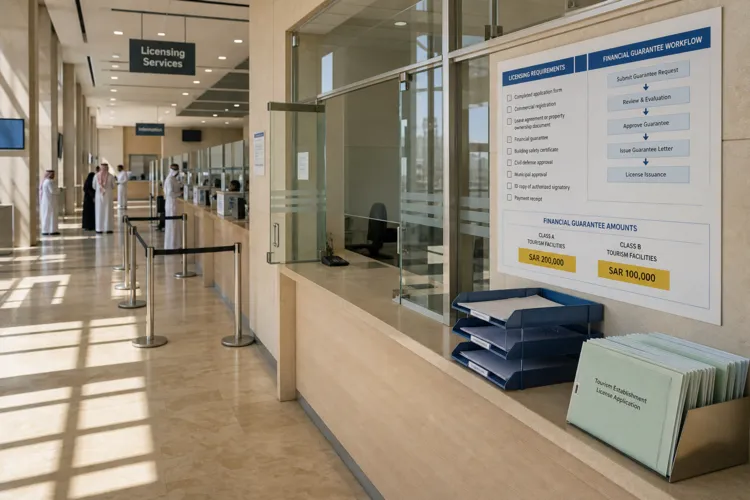
Framework strength is not only about laws on paper, but about predictable execution across agencies. One source highlights reforms that improved governance clarity and licensing speed, which can matter directly to PPP schedules and cost of capital. Another source notes regulatory clarity is provided through the Tourism Law and an expanding electronic visa system to facilitate international arrivals. In parallel, the private sector is encouraged to adopt global ESG standards, including reporting material sustainability factors and maintaining transparency on investment impacts. For investors, these elements function as a practical diligence checklist for partners, permits, and long-term compliance.
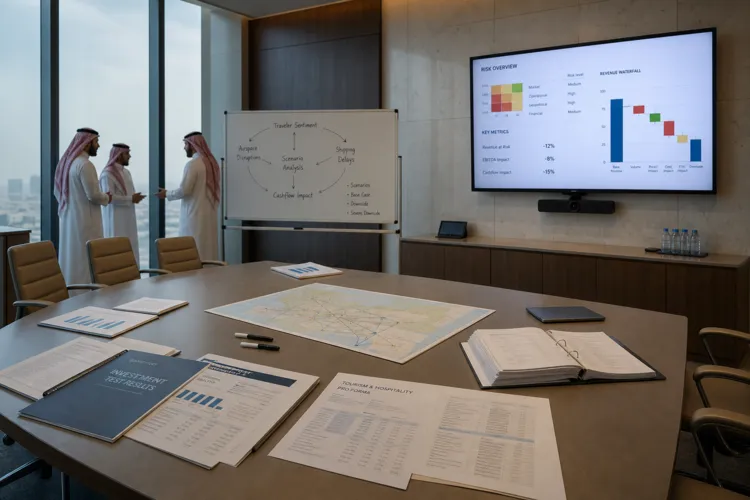
Risks in tourism PPPs are also visible in the public narrative. Skift reports that Saudi Arabia is scaling back Public Investment Fund financing for major tourism projects, with future tourism investment expected to come more from the private sector. It also notes that delays, reductions in scope, and missed milestones have affected flagship projects, with Neom falling behind on hotel openings and The Line being scaled down. Separately, Skift’s analysis flags that Saudi Arabia is impression-sensitive and has a structural vulnerability because the top two spending cohorts represent 45% of trips and 52% of total spend, and these travelers have high optionality and may defer rather than cancel.
Investor opportunities sit at the intersection of demand creation, operational capability, and enabling infrastructure. Hospitality Net describes flexible financing, expanded public-private partnerships, stronger investor protection, and regional headquarters policies as boosting urban hospitality and business tourism. It also notes Saudi investors have partnered with leading global hospitality operators, supporting knowledge transfer, best practices, and improved guest experience. On the destination operating side, a digital transformation white paper urges tourism boards to review digital gaps, invest in scalable platforms, and forge strong public-private partnerships, while committing to governance, cybersecurity, and optimization for long-term digital sustainability. These are actionable lanes for investors seeking PPP roles beyond construction alone.
What does “tourism ppp saudi arabia” mean in practice for investors?
What deal pipeline is publicly stated for AlUla?
Which risks should be priced into Saudi tourism PPPs?
What policy and regulatory signals support PPP delivery?
How do digital platforms connect to PPP opportunities in tourism?
Talk to us for your needs in:
-
Tourism Infrastructure Planning and Optimization
-
Destination Marketing and Brand Strategy
-
Tourism Workforce Development and Training
-
Sustainable Tourism Solutions
-
Visitor Experience Enhancement and Engagement
-
Tourism Project Feasibility and Strategic Planning
-
Saudi Tourism Benchmarking