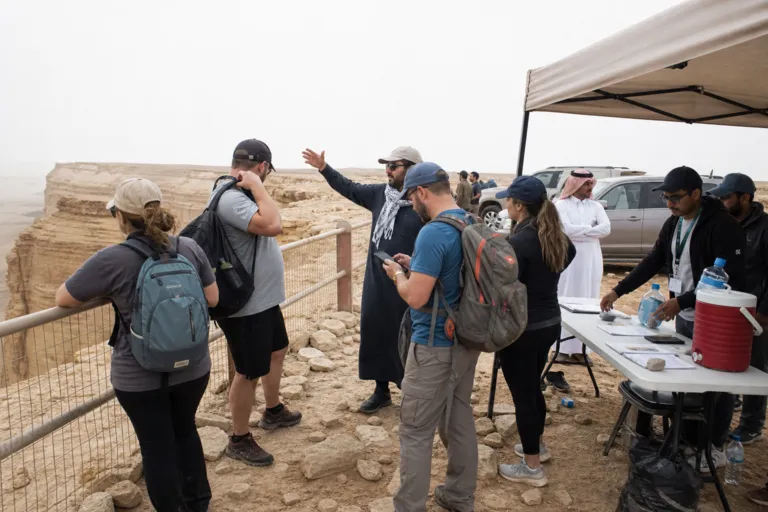
Adventure tourism saudi arabia is rising inside a fast-changing tourism economy. The Ministry of Tourism reported 122 million domestic and international visitors in 2025, a 5% year-over-year increase. Tourism spending also gained 6%, reaching nearly 300 billion riyals ($81 billion). This growth matters for adventure operators because it indicates frequent, shorter trips and a broader base of travelers who can add outdoor experiences onto leisure, family breaks, or event travel. Domestic tourism is also described as a major opportunity, with Saudi citizens and residents increasingly exploring their own country for leisure, events, family holidays, and short breaks, giving investors a stabilizing demand layer.
For investors, the story is not only about headcount. Tourism currently accounts for 5% of gross domestic product, and the Kingdom aims to double this to a 10% contribution by 2030. Vision 2030 also sets a 150 million visitor goal, described as 80 million domestic and 70 million international. That direction supports adventure tourism as part of a larger push toward experiences that extend stays and raise spend. It also aligns with a noted shift from asset development to experience creation, where modern guests want more than accommodation and instead seek a sense of place, authenticity, cultural connection, and meaningful service.
From Experience-Led Stays to a Supply Gap Investors Can Target
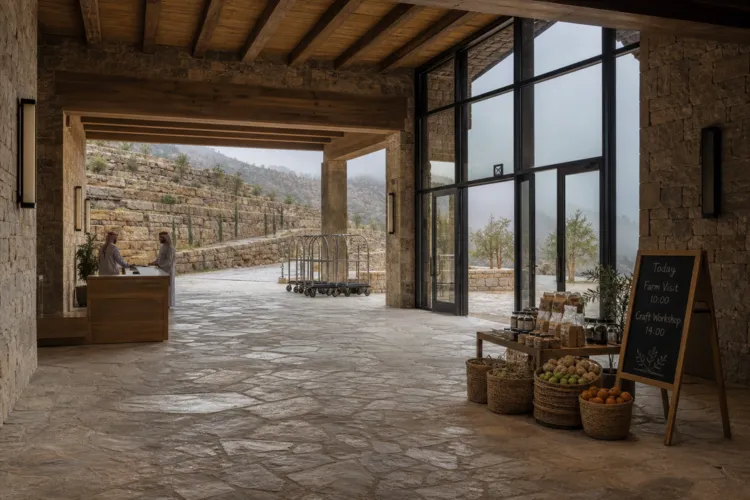
Experience-led travel can translate directly into adventure packages, guides, and activity hubs that sit alongside hospitality. Several sources stress that Saudi hospitality investment fundamentals include proactive government support, a diversified portfolio of tourism destinations, and internationally recognized hospitality standards. Major destinations are cited, including the Red Sea, Diriyah, and Qiddiya City, as well as revitalized historical, cultural, and natural sites. At the same time, supply composition creates a practical opening: around 61% of existing hotel inventory is still concentrated in luxury and upper-upscale segments, and nearly 78% of new rooms through 2030 are planned at the higher end, despite rising demand for mid-market accommodation. That mismatch can favor adventure tourism businesses that win on value, convenience, and repeatable experiences.
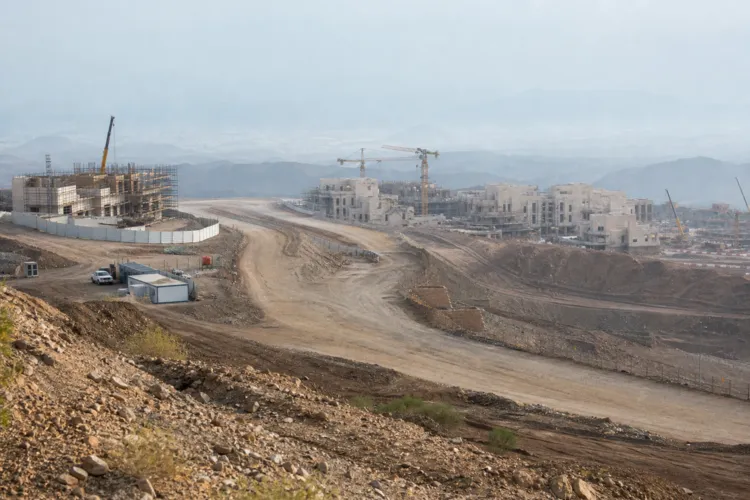
The pipeline and mega-event calendar help explain why adventure can become a high-growth niche for capital. Saudi Arabia is hosting major events such as the 2027 Asian Cup, the World Expo 2030, and the 2034 FIFA World Cup, while also building supply in marquee projects including Neom, Red Sea Global, AlUla, Qiddiya, and Diriyah. Knight Frank is cited saying around 252,000 keys have been announced, planned, or are under construction and due to be delivered by 2030 in Makkah and Madinah. Neom is also set to provide roughly 80,000 keys as it prepares for the 2029 Asian Winter Games. These anchors can create “add-on” demand for nature and adventure day trips, short-break itineraries, and family-friendly outdoor experiences.
Investors also need to track execution risk and funding shifts. Saudi Arabia is reported to be scaling back Public Investment Fund (PIF) financing for major tourism projects like Neom, with priorities reshuffled toward AI infrastructure and AI-company investments, and future tourism investment expected to come more from the private sector. That environment can favor focused, experience-led adventure concepts that are quicker to launch and easier to align with proven demand drivers. Meanwhile, religious tourism remains central: the Kingdom aims to host 30 million Umrah pilgrims annually by 2030, up from roughly 19 million pre-pandemic. Adventure tourism saudi arabia can benefit by designing culturally aligned, privacy-aware experiences that fit shorter stays and diverse traveler motivations.
What is driving adventure tourism saudi arabia right now?
What are Saudi Arabia’s key tourism goals tied to Vision 2030?
Where is the hotel supply mismatch that could help adventure-led concepts?
How do mega events and projects support adventure tourism demand?
What investment shift should adventure tourism operators watch?
Talk to us for your needs in:
-
Tourism Infrastructure Planning and Optimization
-
Destination Marketing and Brand Strategy
-
Tourism Workforce Development and Training
-
Sustainable Tourism Solutions
-
Visitor Experience Enhancement and Engagement
-
Tourism Project Feasibility and Strategic Planning
-
Saudi Tourism Benchmarking