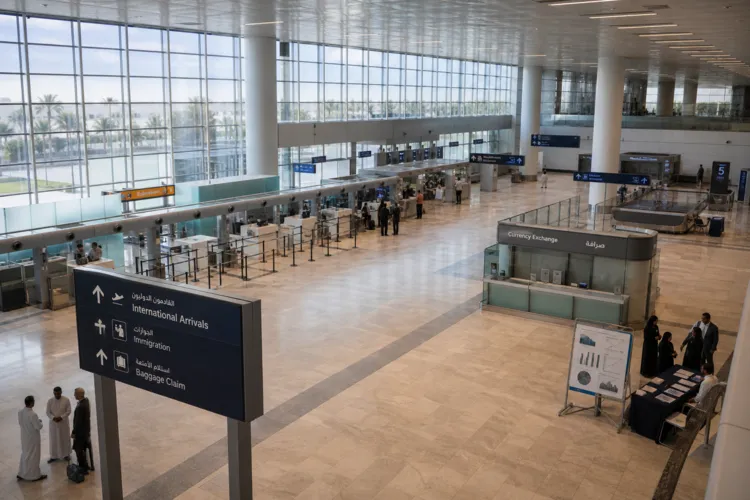

Saudi luxury tourism is often described through destinations, hospitality, and megaprojects. Yet the enabling layer is mobility, and business jets are built for time-critical trips where schedules and privacy matter. Industry reporting ties Saudi Arabia’s momentum to expanding airport infrastructure and growing use of private aviation for business, tourism, and diplomatic travel, positioning the Kingdom as a fast-growing business jet market in the Middle East. Business jets can also use smaller regional airports or private terminals, a capability highlighted as valuable where commercial networks do not always match the traveler’s desired point-to-point routing. That access logic matters for premium itineraries where time on the ground is the product.
The broader regional context shows why infrastructure is central. One Middle East and Africa business jet market report states the market surpassed USD 0.99 billion in 2024 and forecasts around USD 3.03 billion by 2032, with tourism, global events, and strategic economic initiatives listed as demand drivers. The same report points to Saudi Arabia and the UAE as playing vital roles, linking growth to significant spending on aviation infrastructure and a rising focus on sustainable aviation practices. For Saudi-specific operating signals, it cites a 67% increase in private aviation traffic at King Khalid International Airport and notes a USD 6.4 billion commitment by the Saudi Public Investment Fund (PIF) to developing aviation infrastructure.
Permits, Hangars, and the On-the-Ground Details That Make Trips Possible
Luxury travel by business jet is not only about aircraft availability. It is also about permits, terminals, hangars, and turnaround reliability. A Middle East and Africa general aviation market report says Saudi reforms reduced permit approval time from 45 days to 12 days and introduced annual blanket authorizations, resulting in a 35% reduction in administrative costs. It also reports that private aircraft movements in Saudi Arabia increased by 47% in 2024. On the destination side, Mordor Intelligence notes that Alliance Aviation inaugurated Saudi Arabia’s first purpose-built general aviation hangar in AlUla in August 2025, positioning AlUla more strongly for private and business aviation arrivals that align with high-end travel patterns.
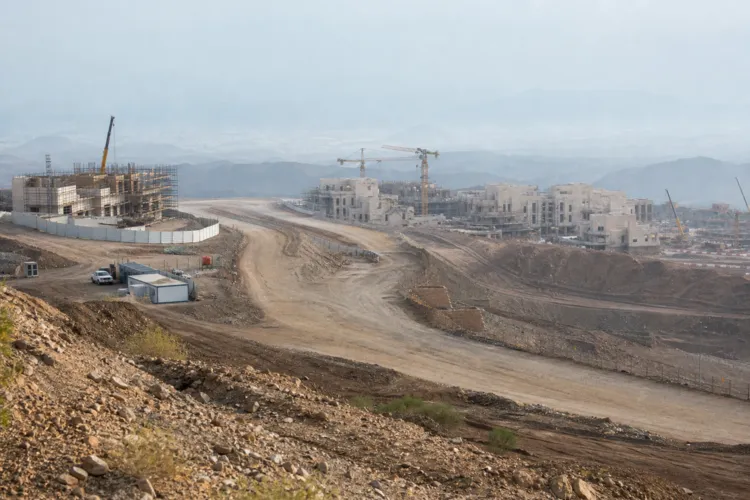
Megaproject travel demand provides another lens on why the infrastructure layer gets built. Verified Market Research links the Kingdom’s portfolio of current mega-projects to increased business aviation demand and states that over 8,700 business jet trips to project sites were expected in 2023. These movements are not a tourism statistic, but they reflect the same operational requirements: reliable access, high-frequency short-notice flights, and services that reduce ground time. In parallel, a market analysis highlights rising demand from government entities, sovereign wealth-backed corporations, and premium charter services, framing business jets as tools for officials, investors, and project stakeholders who need point-to-point mobility across the country.
Regulation and sustainability are also part of the tourism conversation because they shape what operators can offer. A Grand View Research report cites a Nature Journal study using flight tracker data that calculated private aviation accounted for a minimum of 15.6 metric tons of CO2 emissions in 2023, and that emissions from business jets grew by almost 46% between 2019 and 2023. Separately, market coverage points to expansion of sustainable aviation fuel (SAF) availability and incentives as a factor, while also noting regulatory complexity and infrastructure constraints as challenges. For travelers and operators focused on private aviation in Saudi Arabia, the near-term story is less about a single airport and more about the network of approvals, facilities, and services that make premium itineraries executable.
How is private aviation in Saudi Arabia being enabled beyond new destinations?
What concrete signals show rising private aircraft activity in the Kingdom?
Why does AlUla matter for business jets and luxury travel?
How do Saudi megaprojects connect to business jet demand?
What sustainability figures are cited for private aviation emissions?
Talk to us for your needs in:
-
Tourism Infrastructure Planning and Optimization
-
Destination Marketing and Brand Strategy
-
Tourism Workforce Development and Training
-
Sustainable Tourism Solutions
-
Visitor Experience Enhancement and Engagement
-
Tourism Project Feasibility and Strategic Planning
-
Saudi Tourism Benchmarking