Saudi Arabia’s Vision 2030 places travel, tourism, and entertainment at the center of economic diversification, with a national target of 150 million annual visitors by 2030, according to the U.S. Department of Commerce country commercial guide. That ambition depends on destinations that can be marketed, programmed, and operated year-round, not only visited as one-off sites. Museums fit that requirement because they anchor itineraries, strengthen place identity, and connect visitors to heritage assets that already exist across the Kingdom. In this context, museum development Saudi Arabia is less a single project category and more a system-building effort that ties districts, events, and hospitality to repeatable visitor experiences.
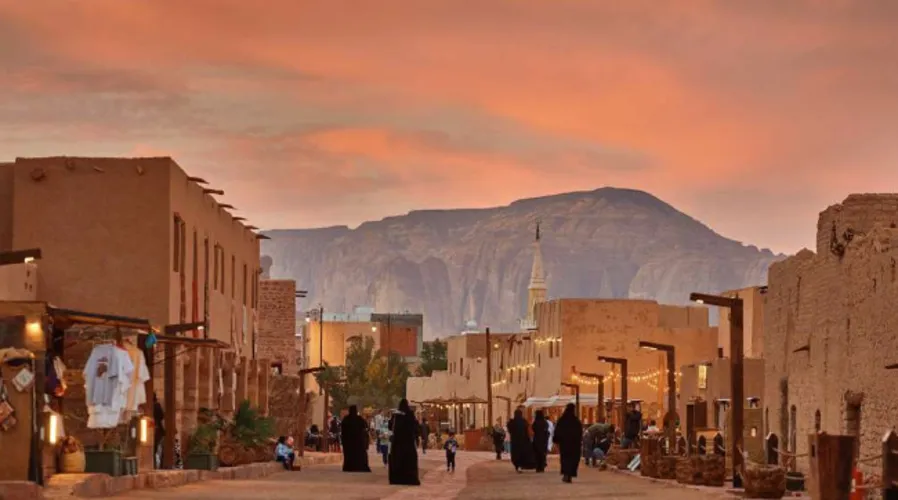
Investment plans described in the Vision 2030 cultural tourism guide frame museums as one node in a larger cultural infrastructure map that runs through AlUla, Diriyah, Jeddah Historic District, museums, and performing arts venues, with a cultural infrastructure programme exceeding SAR 200 billion through 2035. The same guide describes AlUla being developed by the Royal Commission for AlUla with an investment programme exceeding USD 15 billion, and Diriyah undergoing a USD 63 billion transformation into a cultural, retail, and hospitality destination. These numbers are not “museum-only” budgets, but they indicate the scale of destination build-outs where museums can be bundled with retail, hotels, public realm, and ticketed experiences.
PPP and Operator Opportunities: Where Museums Become Bankable
For PPP and operator opportunities, the direction of travel matters as much as the asset pipeline. The U.S. Department of Commerce guide notes that in January 2025 the General Entertainment Authority and the Ministry of Investment launched 29 investment opportunities on the “Invest Saudi” platform, signaling a shift from a state-funded to facilitator model. Museums can align with this shift through operating concessions, lifecycle O&M packages, admissions and retail operations, and programming partnerships that extend dwell time. Operators can also integrate museums into festival calendars that already demonstrate demand: in 2024, Saudi Arabia recorded 76.9 million visitors to 423 entertainment destinations, and the General Entertainment Authority issued 5,526 licenses, up from 5,337 in 2023.
Saudi cultural institutions are also being organized at a national level. A Vision 2030 Ministry of Culture profile highlights a target of one cultural facility (museum, library, theatre, or gallery) per neighbourhood in major urban areas, with the 2024 Quality of Life Programme report indicating progress is on plan. That kind of network target implies recurring opportunities for fit-out, operations, staffing models, collections management, and education services across multiple sites rather than a single flagship. It also connects to destination-scale development: Diriyah Company has awarded over $27 billion in construction contracts since the start of 2024, including a $1.4 billion contract for the Royal Diriyah Opera House and a $1.5 billion contract for the 20,000-seat Diriyah Arena, with cultural and heritage attractions described as the gravitational core.
Finally, museums complement the broader tourism narrative Saudi Arabia is building for international audiences. Wikipedia’s tourism overview lists examples such as the National Museum of Saudi Arabia (established in 1999 in Riyadh), Nasseef House in Jeddah (transformed into a museum and cultural center in 2009), and Tabuk Castle (rehabilitated and transformed into a museum open to visitors). The same article notes leisure tourism generated $27.5 billion in 2019 (scope: Saudi Arabia). For private partners, the operator question is how to turn these kinds of assets into consistent visitation through programming, partnerships, and multilingual interpretation—so museums function as infrastructure that helps meet national visitor ambitions while supporting destination identity.
How does museum development in Saudi Arabia connect to Vision 2030 visitor targets?
What signals a shift toward PPP-style opportunities in culture and tourism?
What large destination programmes create space for museum operators?
What demand indicators can support museum-adjacent programming?
Talk to us for your needs in:
-
Tourism Infrastructure Planning and Optimization
-
Destination Marketing and Brand Strategy
-
Tourism Workforce Development and Training
-
Sustainable Tourism Solutions
-
Visitor Experience Enhancement and Engagement
-
Tourism Project Feasibility and Strategic Planning
-
Saudi Tourism Benchmarking