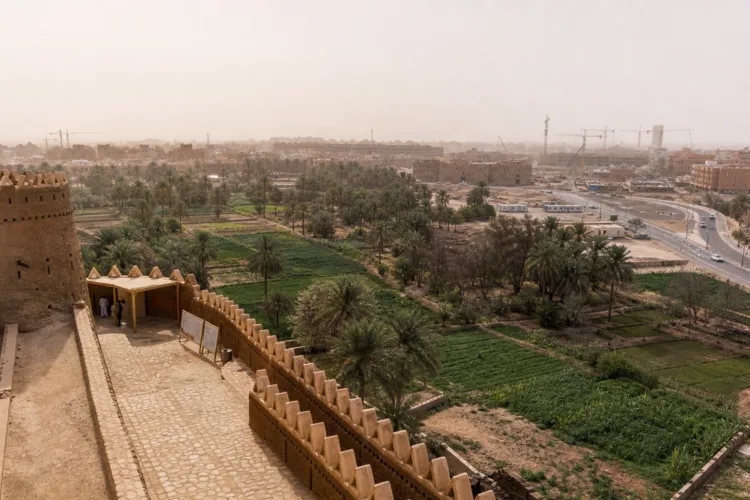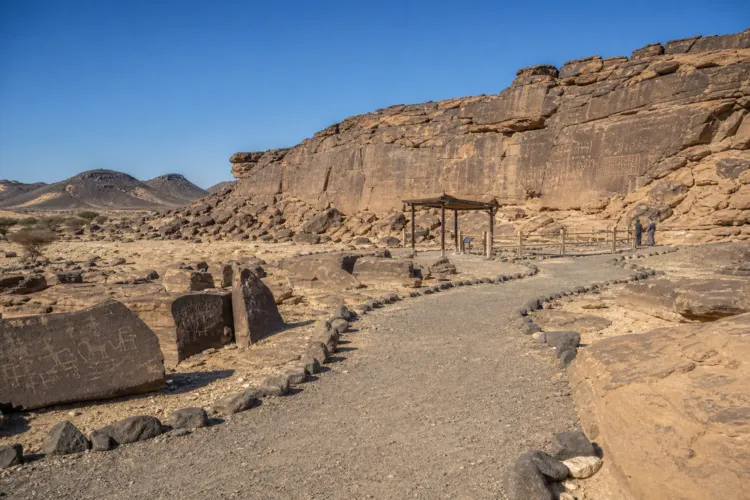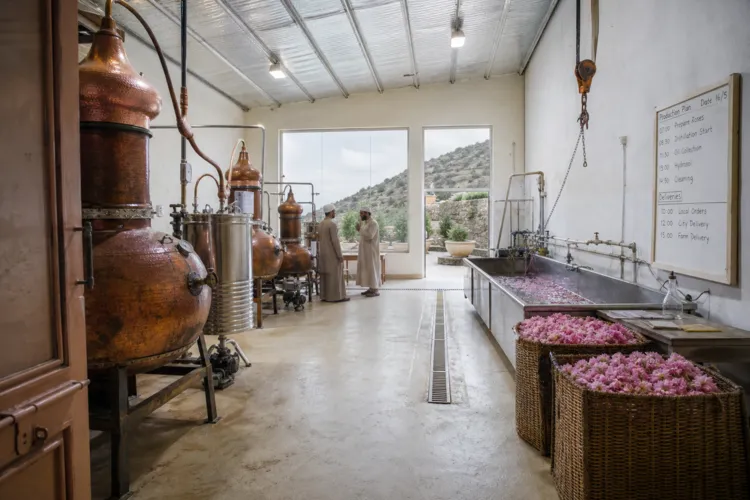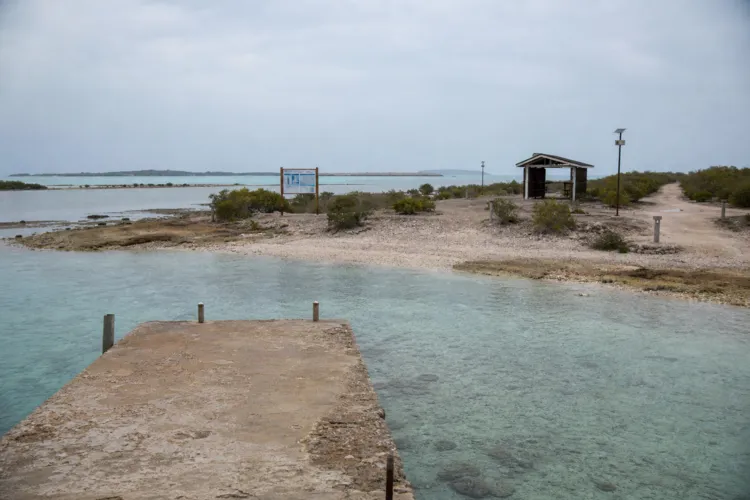
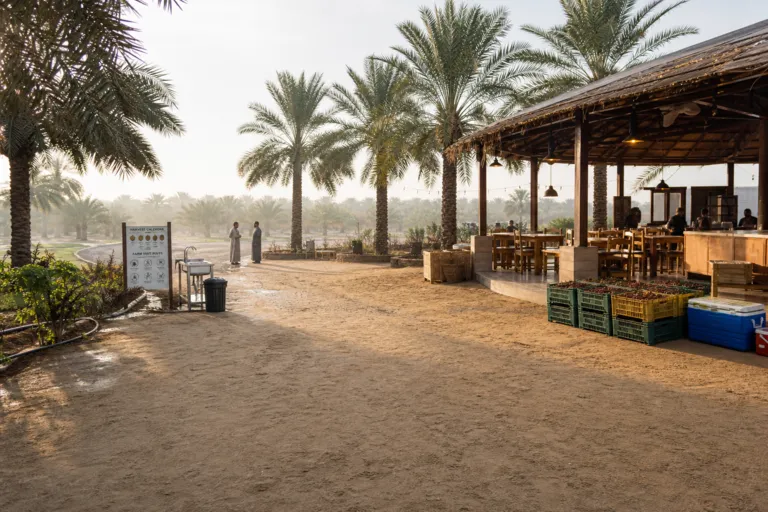
In Saudi Arabia, Al-Qassim is using grapes, dates, and seasonal fruit production to strengthen rural visitor flows, according to 1Arabia. This is the practical heart of Qassim agritourism: a working farm remains the core asset, but the visitor experience becomes a second revenue engine. The model can include rural stays, farm restaurants, educational tours, and direct product sales, all tied to agriculture rather than separate from it. Globally, research firms describe this as an expanding category where tourism is integrated into agricultural production and processing to entertain and educate guests while earning cash for farm owners.
One reason investors are watching farm-based tourism is the scale and momentum reported in global market research, which can serve as context for how quickly similar models may professionalize. The Business Research Company estimates the global agritourism market reached $70.17 billion in 2025 and forecasts $99.51 billion by 2030, implying a 7.2% CAGR over that period. Grand View Research adds that farm educational tours are anticipated to grow at a 13.6% CAGR from 2025 to 2030. These figures are global, not specific to Al-Qassim, but they highlight demand drivers that match what farm operators in the region are building: experiential, educational, and immersive rural activities.
From Farm Visits to a Rural-Tourism Investment Model
In Al-Qassim and other target areas, investment is beginning to follow rural visitor demand. 1Arabia reports that Dan Company, owned by the Public Investment Fund (PIF), launched Solan, a hospitality brand built around an agritourism franchise model, with initial target areas including Al-Ahsa, Taif, Aseer, Hail, Madinah, and Al-Qassim. A franchise-style approach can standardize service, branding, and booking, while letting individual farms stay locally owned and agriculture-led. It also aligns with broader market patterns: market reports describe on-farm sales, educational tourism, outdoor recreation, agritainment, and accommodations as core activity types delivered to group and individual travelers through direct and agent channels.
For farm owners, the investment logic is diversification beyond crop sales, especially where small producers face pressure from water costs, climate variability, and market competition, as 1Arabia notes. The revenue mix can be layered: day visits anchored by dates and seasonal fruit, add-on farm restaurants, guided education sessions, and packaged rural stays. Market.us underscores how accommodation-led models can dominate in mature markets, citing that farm stays and rural lodging held a 34.80% share of the activity segment in 2025 (global) and that direct bookings accounted for 74.1% of the distribution channel segment (global). These are not local shares for Al-Qassim, but they illustrate why operators often prioritize lodging and direct sales systems when building investable rural tourism.
Execution will determine whether the sector grows sustainably. 1Arabia highlights that operators must meet licensing, safety, accommodation, and food-service standards while protecting fragile rural environments, and it stresses that water use is a sensitive issue in a country where agriculture already faces sustainability constraints. It also warns that poorly managed visitor growth can strain farms, village roads, and local services during holiday peaks and harvest seasons. Quality control is positioned as central to the next phase, including authentic experiences, clean facilities, trained guides, transparent pricing, and reliable booking systems—practical requirements for turning farm experiences and seasonal festivals into repeatable, investable rural destinations.
What is happening with farm-based tourism in Al-Qassim?
How does the Solan franchise model relate to Al-Qassim’s rural tourism?
What global growth signals support the case for Qassim agritourism models?
What operational risks do rural tourism operators need to manage in Saudi Arabia?
Talk to us for your needs in:
-
Tourism Infrastructure Planning and Optimization
-
Destination Marketing and Brand Strategy
-
Tourism Workforce Development and Training
-
Sustainable Tourism Solutions
-
Visitor Experience Enhancement and Engagement
-
Tourism Project Feasibility and Strategic Planning
-
Saudi Tourism Benchmarking