Foreign capital that wants exposure to Saudi tourism giga-projects often does not start with a standalone market-entry bet. Multiple PIF-focused guides describe a repeatable pathway: use PIF’s sector platforms and subsidiaries as the entry point, then co-invest at the transaction or project level. Those platforms include giga-project development companies such as NEOM, Red Sea Global, Qiddiya, Diriyah, Roshn, and AMAALA, which are cited as part of PIF’s domestic portfolio. The same guides also note that PIF has established over 90 subsidiaries and portfolio companies acting as sector platforms across tourism, entertainment, real estate, technology, and other areas, which creates many potential partnership interfaces for international investors and operators.
In the mechanics of direct co-investment, the cited instruments are consistent across sources: project-level equity, mezzanine financing, and infrastructure debt. For giga-project infrastructure opportunities, guides state that minimum commitments generally exceed USD 100 million. This matters for foreign partners because it frames who can realistically play at the project layer, and it shapes syndication, underwriting, and internal approvals. It also explains why many partnerships are built around clarity in term sheets and reporting, especially as PIF engages more with capital markets through bond issuance and co-investment partnerships. In practice, the “deal” can sit at multiple layers depending on the asset and the role PIF wants partners to play.
Why Governance and Capital Efficiency Shape the Partnership
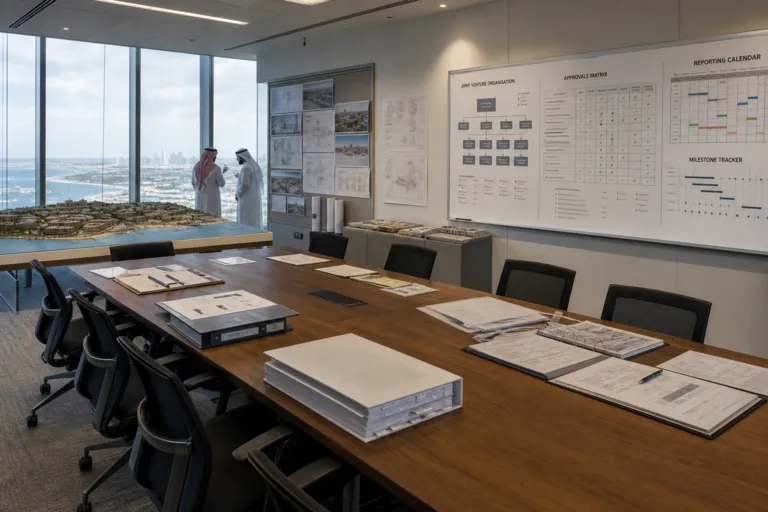
Governance can be a differentiator in PIF-linked partnership deals, and sources explicitly connect this to how co-investors protect execution certainty. One guide describes a board chaired by Crown Prince Mohammed bin Salman and day-to-day leadership by Governor Yasir Al-Rumayyan, which can affect approval pathways and decision speed. As a result, co-investors often seek clear governance rights and escalation rules, and they aim to make objectives explicit in term sheets and reporting. Separately, a tourism-focused strategy article positions PIF not merely as a source of capital, but as a partner that enables private enterprises to participate in large-scale development projects while adhering to strict capital efficiency standards and seeking strategic international partnerships to attract foreign capital into the Kingdom.
Investors also watch how PIF’s internal priorities evolve, because that can affect pacing and partnering behavior. Oxford Economics highlights two items from PIF’s 2024 report: PIF increased its stake in Saudi Aramco, and the fund’s giga-project holdings were written down by USD 8bn, which could be for reasons including cost overruns, delays, or revised estimates of future returns. The same analysis notes that PIF’s Saudi Sector Development (SSD) pool grew from 4% of the portfolio in 2020 to 30% in 2024, adding that in riyal terms this meant each year billions were invested in non-oil industries with potential to attract foreign capital and create jobs for Saudis. Together, these points reinforce why partners may prioritize robust reporting and disciplined structures even in strategic, long-duration projects.
For foreign operators looking beyond pure financing, newer engagement models are presented as more structured and repeatable. A 2026 guide on a “private sector hub” approach says this can translate into clearer co-investment pathways tied to portfolio-company needs rather than one-off market entry efforts. The same source reports PIF is likely to cut capital spending by up to 15 percent while seeking billions from the private sector to keep its giga-project pipeline moving, according to people familiar with the plans cited by AGBI. It also states PIF had USD 19.4bn committed to green projects as of mid-2024 and maintains a comprehensive Green Finance Framework, which can support co-investment structures where financing readiness and delivery capability align early.
How do foreign investors typically structure Saudi giga-project co-investment with PIF?
What minimum commitment sizes are cited for direct co-investment in giga-project infrastructure?
Which tourism and development platforms are commonly referenced as part of PIF’s domestic giga-project portfolio?
What did Oxford Economics highlight from PIF’s 2024 report that co-investors may watch?
What signals suggest PIF is seeking more private-sector participation in giga-project delivery?
Talk to us for your needs in:
-
Tourism Infrastructure Planning and Optimization
-
Destination Marketing and Brand Strategy
-
Tourism Workforce Development and Training
-
Sustainable Tourism Solutions
-
Visitor Experience Enhancement and Engagement
-
Tourism Project Feasibility and Strategic Planning
-
Saudi Tourism Benchmarking