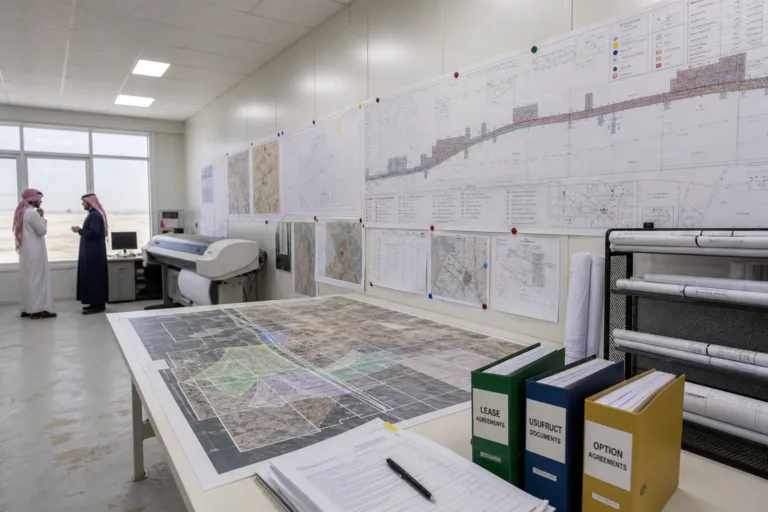
In hotel development, land strategy is not a back-office task. It is the first gate. Site control is the legally demonstrable right that lets a developer use a specific parcel for a defined purpose such as construction, operation, and maintenance. It is described as the mandatory first procedural step, before engineering, environmental analysis, and capital procurement. The logic is simple. Without established control, a project cannot move from an idea into a viable development opportunity, because the developer must be able to legally exclude other parties from interfering with the project’s use of the site.
That framing matters when teams plan for tourism land allocation in Saudi Arabia, because large hospitality assets require long time horizons and clear rights. The most complete form of site control is fee simple ownership, which provides full and indefinite legal title and transfers all rights, including surface, subsurface, and air rights. It also tends to require the largest upfront capital outlay, which can strain early-stage budgets. When full ownership is not necessary or practical, developers often structure long-term lease agreements, commonly spanning 20 to 50 years, so the control period covers construction, operation, and eventual decommissioning.
Options, Due Diligence, and the Data Layer Behind Control
Many hotel developers pursue control in phases. Option agreements provide temporary, exclusive control for a negotiated period typically 12 to 36 months, in exchange for a non-refundable option fee. This window is designed for due diligence. Sources describe this phase as including environmental assessments, geotechnical surveys, and permitting feasibility reviews. In parallel, property development guidance emphasizes the basics: securing the right land starts with due diligence to assess zoning regulations and property constraints, and evaluating environmental factors and market demand. Options allow a team to do that work before it is locked into a final acquisition decision.
Modern land acquisition adds a digital screening layer before deeper diligence. Digital tools are described as useful for early market-level analysis, including vacancy trends, absorption rates, comparable rental rates, and demand growth indicators, because market weakness can disqualify a site regardless of physical characteristics. Analytical platforms add capabilities that listing marketplaces lack, such as zoning overlays, infrastructure proximity, environmental constraints, demographic trends, traffic patterns, and comparable transaction data. This approach helps developers evaluate whether a parcel supports the intended hotel program before investing significant time in inspections, negotiations, and legal documentation.
GIS supports the same goal: a defensible decision on where to place capital. GIS is positioned as a spatial intelligence tool that lets professionals visualize, analyze, and interpret data in a geographic context. For site selection, GIS can layer demographic data, land use patterns, and infrastructure information to identify optimal locations or assess the potential of existing properties. It is also used to identify development and redevelopment opportunities by providing a comprehensive view of existing land use, zoning regulations, market trends, neighborhood characteristics, and infrastructure. For giga-project hotels, this mapping discipline strengthens the case that a chosen site fits the program and that the selected control structure can survive scrutiny.
What does site control mean in large hotel development?
What are the main ways developers establish site control?
How do option agreements reduce early-stage risk?
How does data help with tourism land allocation in Saudi Arabia for hotels?
Talk to us for your needs in:
-
Tourism Infrastructure Planning and Optimization
-
Destination Marketing and Brand Strategy
-
Tourism Workforce Development and Training
-
Sustainable Tourism Solutions
-
Visitor Experience Enhancement and Engagement
-
Tourism Project Feasibility and Strategic Planning
-
Saudi Tourism Benchmarking