King Salman International Airport is an international airport under development that would serve Riyadh, the capital of Saudi Arabia. It would succeed the current King Khalid International Airport and would be built around it. The plan was proposed in December 2022 by Crown Prince Mohammed bin Salman, with the goal of boosting tourism by expanding the existing King Khalid International Airport as part of Saudi Arabia’s Vision 2030.
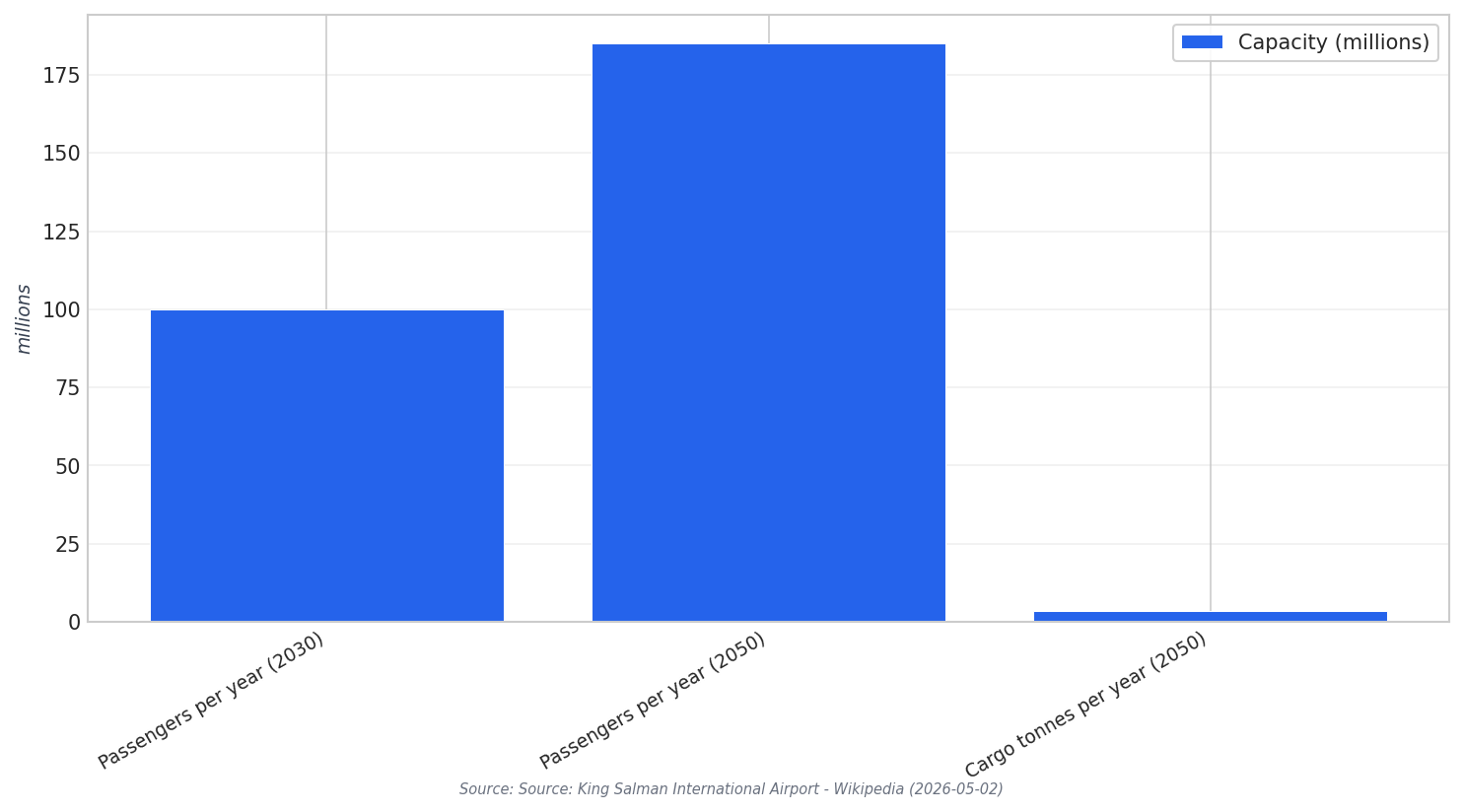
Scale is central to how king salman international airport supports tourism growth. The airport covers 57 km2 and includes six passenger terminals, an iconic terminal, a private aviation terminal, and six runways. It aims to handle 100 million passengers per year by 2030 and 185 million passengers per year by 2050. It also aims to handle 3.5 million tonnes of cargo per year by 2050.
Why It Works as a Tourism Engine
The master plan’s intent is explicit. The KSIA site states that the aim is to make Riyadh a gateway to the world and a global destination for transportation, trade, and tourism, while bridging East and West and reinforcing the Kingdom’s position as a global logistics hub. In Travel And Tour World reporting, the airport is described as an extension of King Khalid International Airport and a pivotal part of Vision 2030 to help turn Riyadh into a business and tourism centre.
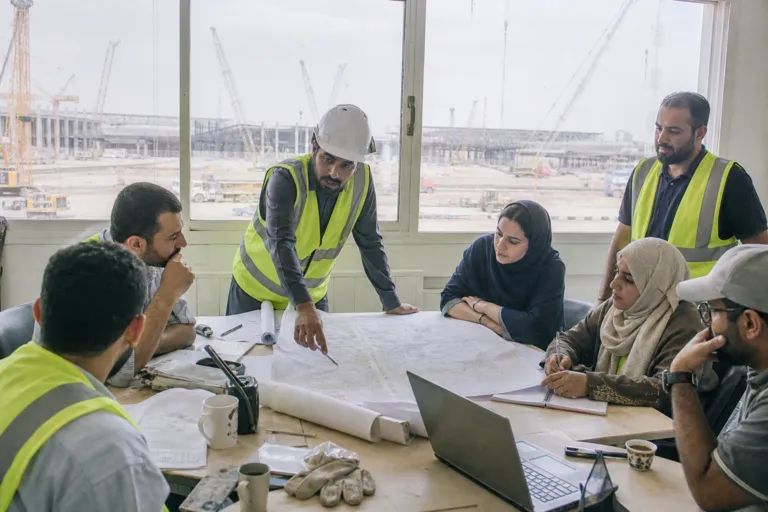
Design and experience are also part of the tourism backbone. The airport is being designed by British architectural firm Foster + Partners, with engineering consultancy Jacobs also referenced in planning. Wikipedia notes a single concourse area with a loop to connect other terminals, plus multiple entrances and exits. It is planned to have a 4.2 sq.mi. area reserved for retail and office space, aligning airport throughput with on-site commercial activity.
Several sources emphasize integrated development around the airport precinct. Travel And Tour World describes the integration of aviation operations with mixed-use real estate, including commercial, retail, and leisure offerings. This approach is positioned as a way to strengthen international connectivity while creating an environment that supports tourism and investment. Airport Technology also frames the project as conceived to accommodate growth in passenger and cargo volumes, driven by Riyadh’s population growth and expansion of the tourism sector, with the $30bn project expected to begin operations in 2030.
What is king salman international airport?
What passenger capacity does the airport target?
How large is the King Salman International Airport site and what facilities are planned?
How does the project connect to Vision 2030 and tourism growth?
Who is designing the airport master plan?
Talk to us for your needs in:
-
Tourism Infrastructure Planning and Optimization
-
Destination Marketing and Brand Strategy
-
Tourism Workforce Development and Training
-
Sustainable Tourism Solutions
-
Visitor Experience Enhancement and Engagement
-
Tourism Project Feasibility and Strategic Planning
-
Saudi Tourism Benchmarking