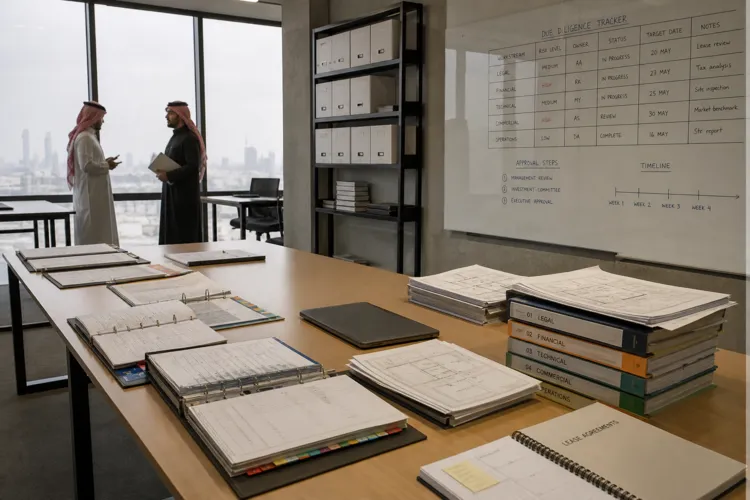
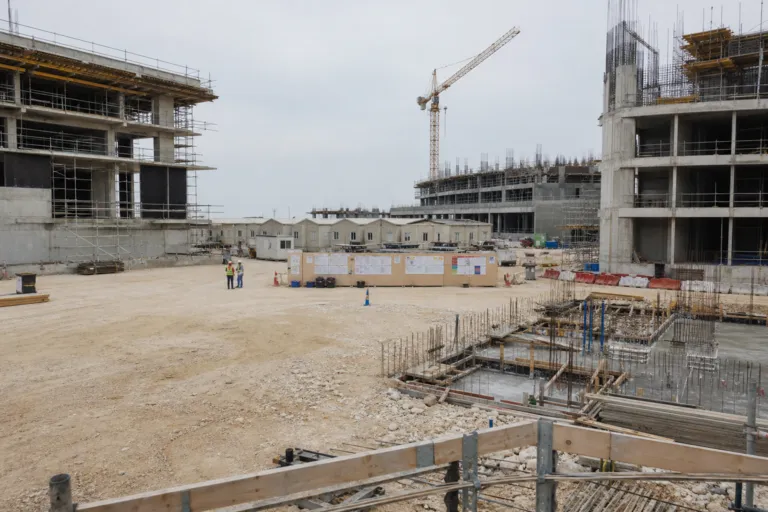
Saudi Arabia’s first batch of approvals under the Hospitality Investment Enablers Program brings clarity to what policymakers want the private sector to build, and where. The Ministry of Tourism and the Ministry of Investment approved 19 hospitality projects on 19 October 2026 across five tourism destinations. The package is expected to attract SR6.7 billion (about $1.78 billion) in investment, add more than 3,000 hotel rooms, and create more than 17,000 jobs. Multiple reports stress a key nuance for investors: the SR6.7 billion represents potential private-sector investment enabled by the program, not completed construction expenditure or government funds already disbursed.
Geography is part of the signal. The approved projects span destinations including Jeddah, Al-Baha, Al-Ahsa, Asir, and the Eastern Province, indicating a multi-region approach rather than a single-city pipeline. The program’s design is also explicit about its mechanism: it offers targeted incentives meant to reduce operating costs and improve project viability for approved developments, with the stated goal of drawing private-sector capital into selected destinations. For investors, that combination suggests the initiative is not only about adding keys, but about improving the feasibility profile of projects in locations that officials describe as high-potential.
What the First Approvals Suggest About Demand, Mix, and Timing
Demand indicators appear in the surrounding context, but they should be read carefully. One Travel And Tour World report cites the Ministry of Tourism’s investment portal totals for 2025: 122.6 million domestic and inbound tourists, up 5.8% from 2024, with total spending of SAR303.7 billion, up 7%. The same source separately references a 2025 statistical release with 29.3 million inbound tourists and SAR176.6 billion in inbound spending, alongside domestic tourism of 93.3 million tourists and SAR127.1 billion in spending. For investors assessing the hospitality investment enablers program approved projects, the practical takeaway is the split: properties may need to serve resident travel demand as well as inbound growth, and national totals do not establish demand for any single asset.
The mix also carries clues. IndexBox reports that the developments will contribute over 3,000 hotel rooms, with roughly 40% earmarked for coastal destinations to reinforce a sun-and-sea tourism offering. That allocation can influence underwriting assumptions around seasonality, positioning, and ancillary revenue. The same source adds a timeline marker: the first project is due to open by the end of 2026, with additional developments coming into operation in subsequent years. Execution timing matters because several articles emphasize that the broader outcome depends on delivery, investor participation, and sustained tourism demand—three variables investors typically stress-test before committing capital.
Finally, the approval announcements attach quantified economic ambitions to the first tranche. IndexBox reports that by 2030 the projects are anticipated to contribute over SAR2.4 billion yearly to gross domestic product and produce more than SAR5.3 billion in local content via demand for locally sourced goods, services, and materials; Hotelier Middle East also cites the projection of more than SAR5.3 billion in local content by 2030. Officials framed the program as a model of government collaboration designed to strengthen private-sector participation and simplify the investor journey. For investors, those targets suggest the state will measure outcomes beyond room count—making operating performance, local procurement, and job creation central to how success is judged.
How big is the first batch of approvals under Saudi Arabia’s Hospitality Investment Enablers Program?
Does SR6.7 billion mean the money has already been spent?
Which destinations are referenced for the approved projects?
What room mix detail is disclosed about the first approved developments?
What tourism demand figures are cited alongside the approvals?
Talk to us for your needs in:
-
Tourism Infrastructure Planning and Optimization
-
Destination Marketing and Brand Strategy
-
Tourism Workforce Development and Training
-
Sustainable Tourism Solutions
-
Visitor Experience Enhancement and Engagement
-
Tourism Project Feasibility and Strategic Planning
-
Saudi Tourism Benchmarking