For esg hospitality saudi arabia in 2026, the conversation is shifting from brand positioning to proof. Hospitality investment commentary stresses that sustainability is becoming a financial, operational, and reputational requirement, not only a statement. Projects are expected to address energy efficiency, water management, responsible sourcing, waste reduction, and long-term environmental impact from the earliest planning stages. At the same time, Saudi Arabia’s hospitality sector is integrating ESG principles into development and operations, with energy and water efficiency and resource and waste management described as standard, especially in environmentally sensitive destinations. This raises the bar for what operators can credibly disclose to investors.
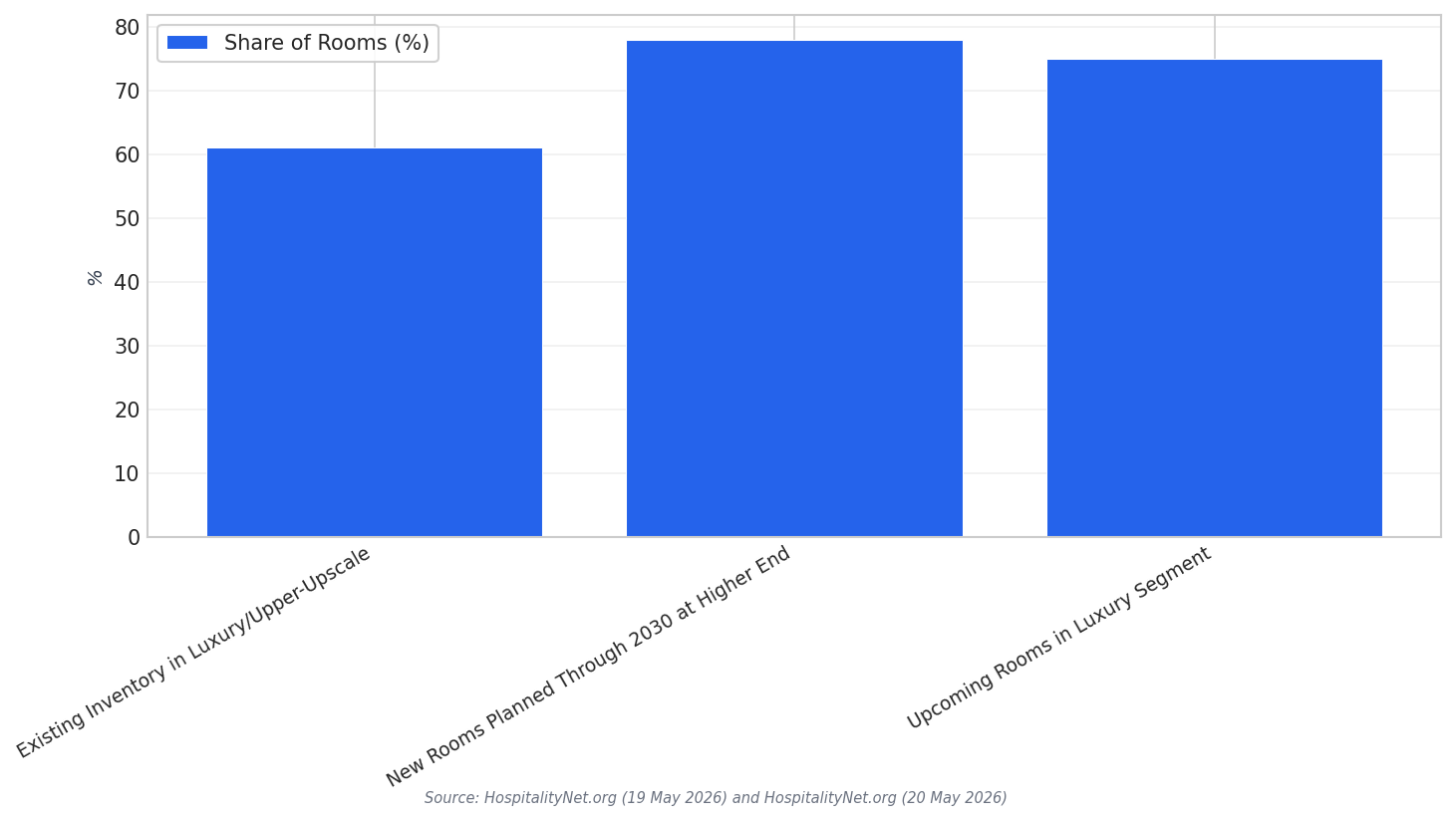
Portfolio planning and asset strategy also shape what gets disclosed. Saudi Arabia is delivering a large pipeline, and market structure is changing investor expectations around resilience and operational efficiency. One industry perspective notes that around 61% of existing hotel inventory is concentrated in luxury and upper-upscale segments, while nearly 78% of new rooms through 2030 are planned at the higher end. Another pre-event feature states that 75% of upcoming hotel rooms are in the luxury segment. These percentages, combined with calls for scalable midscale and consistency across large portfolios, increase the need for operators to document repeatable ESG processes, not one-off initiatives.
What 2026 ESG Disclosure Looks Like in Practice
On the environmental side, disclosures are increasingly tied to national direction. Saudi Arabia launched the Saudi Green Initiative (SGI) in 2021 as a unified framework bringing together climate action, energy transition, and environmental protection, aligned with Vision 2030. Its influence is described as visible in new hotel developments in destinations such as the Red Sea, AlUla, Diriyah, and NEOM, where sustainability is embedded from the design stage. Operators should be prepared to disclose design and operating practices tied to energy efficiency, renewable power, water conservation, low-impact construction, and ecosystem protection. SGI is also said to elevate operational expectations, including reducing waste and single-use plastics and tracking environmental performance as part of daily operations.
Social disclosures in 2026 are also becoming more concrete. A Ministry of Tourism Secondment Program is cited as providing Saudi hospitality professionals with international training through leading global hotel brands, supporting workforce readiness and sustainable talent development. This implies that investors may expect operators to explain workforce readiness actions, training pathways, and how talent development is sustained over time. In parallel, hospitality development guidance emphasizes that the most successful investments respect local identity while meeting international standards. Operators can support this expectation by disclosing how architecture, food and beverage, wellness, guest programming, service culture, and design contribute to a clear destination story connected to surroundings.
Governance disclosure has a hard compliance edge in Saudi hospitality, because lawful operation depends on mandated systems. The Shomoos Security System, established by a Royal Decree in 2014, requires hotels to automate the sharing of guest information with the National Information Center at the Ministry of Interior. The NTMP, overseen by the Ministry of Tourism, mandates real-time guest and occupancy data sharing to monitor tourism activities. ZATCA compliance requires hotels to generate e-invoices that align with taxation and financial regulations. Together, these mandates create governance expectations around data capture, data sharing, and financial reporting discipline. For investors assessing risk in esg hospitality saudi arabia, these disclosures can demonstrate operational control and audit readiness.
What does esg hospitality saudi arabia disclosure mean in 2026?
Which environmental topics are repeatedly flagged for Saudi hotel projects?
What governance items can operators point to in Saudi Arabia?
How do social expectations show up for hospitality operators?
Talk to us for your needs in:
-
Tourism Infrastructure Planning and Optimization
-
Destination Marketing and Brand Strategy
-
Tourism Workforce Development and Training
-
Sustainable Tourism Solutions
-
Visitor Experience Enhancement and Engagement
-
Tourism Project Feasibility and Strategic Planning
-
Saudi Tourism Benchmarking