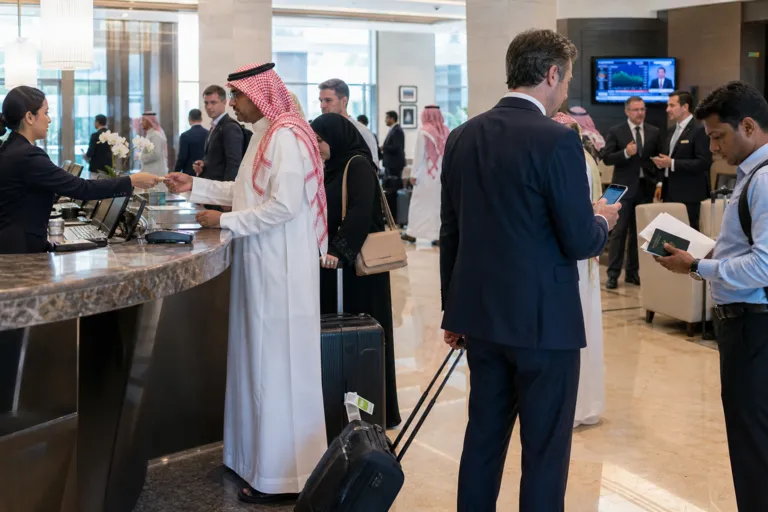
Tourism growth is creating a bigger funding question in Saudi Arabia: how to finance supply, operations, and long-term standards while demand keeps rising. The demand side has visible momentum. The Kingdom hosted 116 million visitors in 2024 and generated 284 billion Saudi riyals in spending, according to tourism statistics cited by Strategic Gears. In 2025, the Ministry of Tourism reported 122 million domestic and international visitors, a 5% year-over-year increase, with tourism spending up 6% to nearly 300 billion riyals. In this context, the conversation around saudi tourism ipo tadawul is really about how public markets can support the capital needs of hospitality growth.
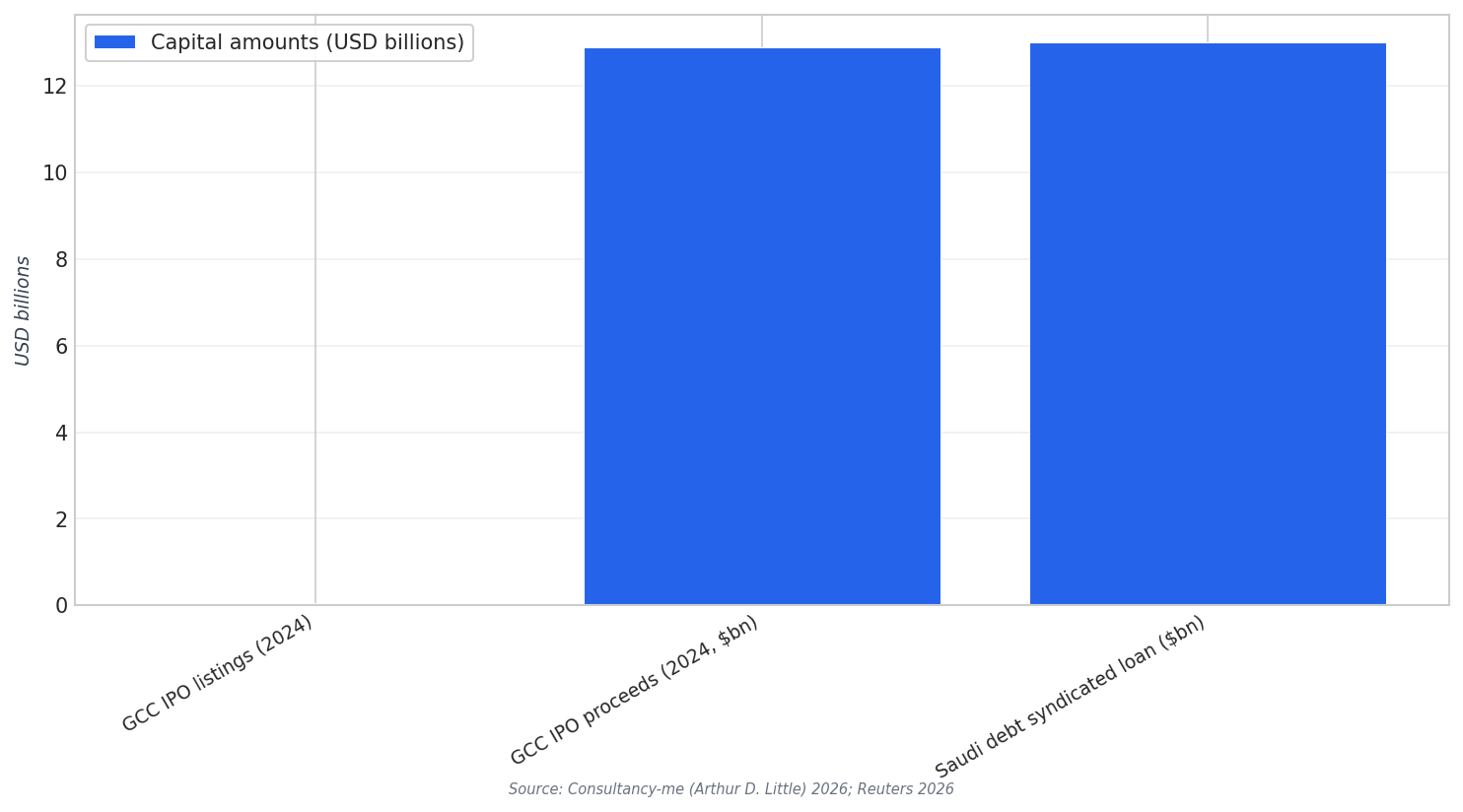
The public market backdrop is also strengthening across the region. Arthur D. Little’s insights, reported in February 2026, said the UAE and Saudi Arabia have become the region’s largest public listing markets and benchmarks for IPO execution, governance, roadshows, and impact. Across the GCC, IPO activity expanded significantly over the past six years, and 2024 hit a historic milestone: 53 listings raised $12.9 billion in proceeds. The same report links stronger investor expectations to regulatory modernization, reforms to foreign ownership rules, and stronger governance and disclosure requirements. These changes matter for hospitality because long-horizon hotel and destination investments rely on transparency and credible capital-raising pathways.
From Visitor Growth to Investable Hospitality Supply
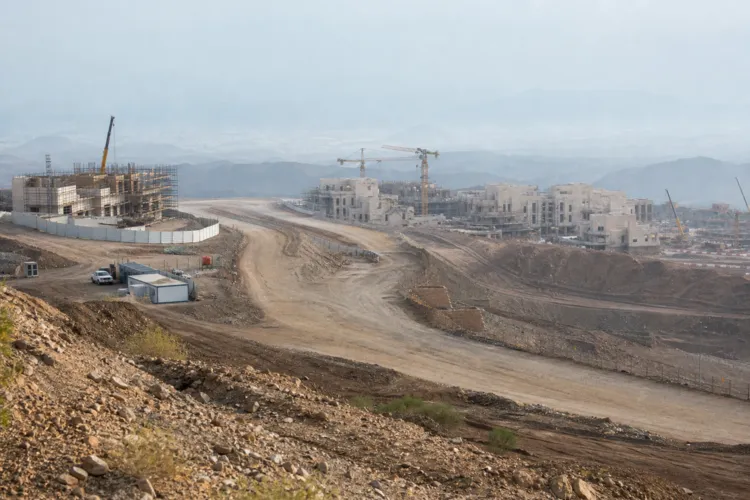
Hospitality investment themes in Saudi Arabia are increasingly defined by diversification and an ecosystem approach. HospitalityNet noted that tourism and hospitality have become central drivers of economic diversification and job creation, supported by proactive government support, diversified tourism destinations, and internationally recognized hospitality standards. It highlighted major urban destinations such as the Red Sea, Diriyah, and Qiddiya City projects. Meanwhile, supply is expanding fast. Skift cited data from Saudi Arabia’s General Authority for Statistics showing a 34.2% year-over-year increase in licensed hospitality facilities in 2025. Yet performance signals are mixed: average hotel room rates dropped by 11.7% between Q4 2024 and Q4 2025, even as occupancy and visitor numbers increased.
Planning targets and pipeline concentration also shape the capital story. Consultancy-me reported that the main goal for 2030 is to welcome 150 million visitors, increase the sector’s contribution to national GDP to 10%, and create 1.6 million jobs. Skift separately quoted the same 150 million visitor goal as 80 million domestic and 70 million international, and said tourism currently accounts for 5% of GDP with an aim to reach 10% by 2030. On hotel development, Skift reported Saudi Arabia is poised to deliver 362,000 new hotel rooms by 2030, with 78% of upcoming supply concentrated in luxury and upscale tiers. HospitalityNet similarly warned that around 61% of existing hotel inventory is still concentrated in luxury and upper-upscale segments, with nearly 78% of new rooms through 2030 planned at the higher end.
This is where Tadawul listings and the broader capital market environment become part of hospitality execution. A deeper IPO market can support stronger governance and disclosure requirements, which Arthur D. Little said have raised investor expectations in Saudi Arabia. At the same time, Saudi funding activity is not limited to IPOs. Reuters reported that the National Debt Management Center completed arrangements for a $13 billion, seven-year syndicated loan to help finance power, water, and public utilities projects. For hospitality, these enabling utilities and the investment ecosystem described in the National Tourism Strategy frame investability alongside demand growth, especially as Saudi shifts into implementation and performance measurement with a focus on ESG principles across the sector, as reported by Consultancy-me.
What does “saudi tourism ipo tadawul” mean in practice for hospitality growth?
How big was the GCC IPO market in 2024?
What do the latest visitor and spending figures show for Saudi tourism?
What is happening to Saudi hotel supply and room rates?
Why is hotel segment mix a financing issue?
Talk to us for your needs in:
-
Tourism Infrastructure Planning and Optimization
-
Destination Marketing and Brand Strategy
-
Tourism Workforce Development and Training
-
Sustainable Tourism Solutions
-
Visitor Experience Enhancement and Engagement
-
Tourism Project Feasibility and Strategic Planning
-
Saudi Tourism Benchmarking