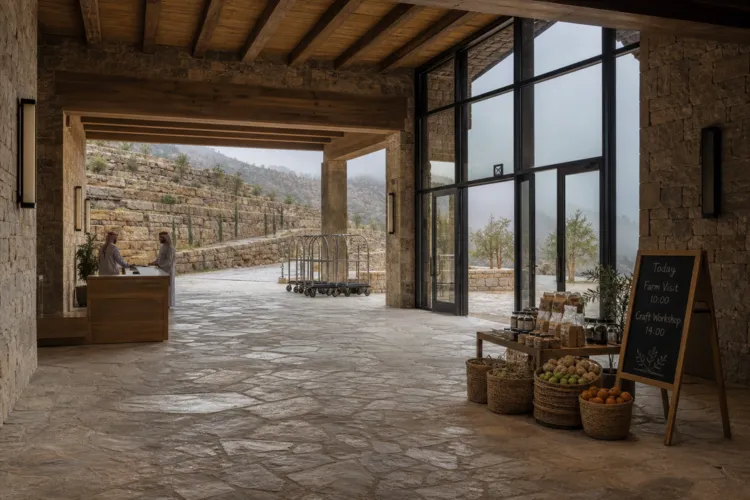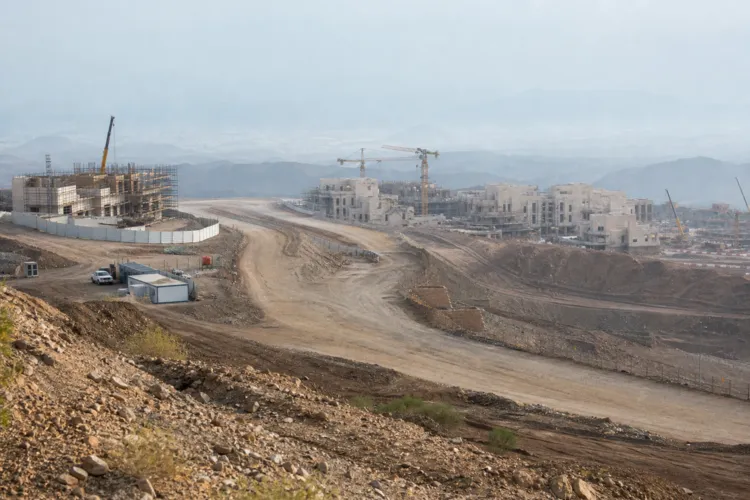
Red sea diving tourism on Saudi Arabia’s west coast is being shaped by destination-scale development, not only by traditional reef resorts. Red Sea Global (RSG) frames its work as regenerative tourism tied to Vision 2030’s economic diversification goals, with “protection of natural capital” presented as central to development decisions. For investors, this matters because it pushes demand beyond hotel rooms into experiences, operations, and services that can prove environmental credibility while scaling commercially. The early opening mix on Shura Island includes branded hotels such as SLS, EDITION, and InterContinental, plus Shura Links, described as Saudi Arabia’s first island golf course.
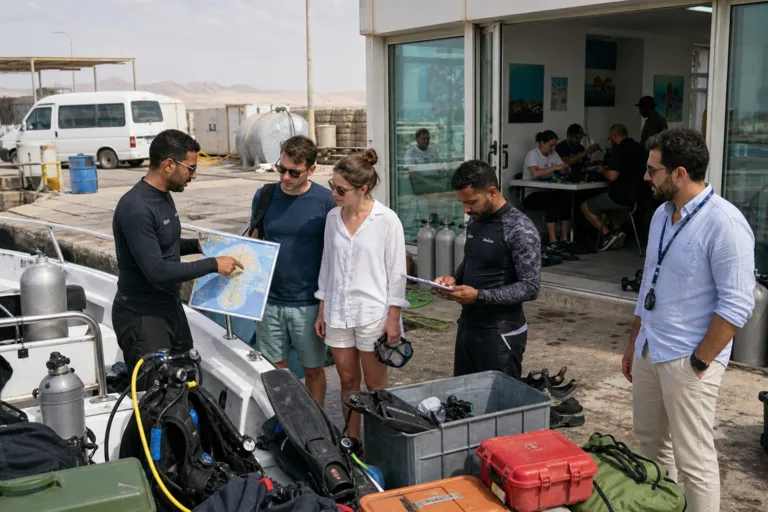
A key investable layer sits in structured marine experiences that turn diving into a product ecosystem. RSG’s experience platforms highlight guided adventure and learning, including Galaxea, which offers scuba diving, PADI courses, conservation and heritage dives, and snorkeling excursions led by certified professionals. That menu signals multiple revenue lines: training, guiding, specialty dives, and repeat visitation through progression from courses to advanced experiences. Investors can look beyond owning beachfront inventory toward operating dive centers, building safety and training capacity, and packaging multi-day programs that connect diving with other water sports delivered by expert instructors.
Where the Capital Is Moving: Wellness Hubs, Air Access, and Private-Sector Room to Grow
AMAALA’s first phase adds another route to red sea diving tourism growth by pairing high-end hospitality with a broader “retreat, renewal and connection” positioning. The project is designed to support regenerative tourism and targets a 30% net conservation benefit by 2040. It is expected to accommodate up to 500,000 visitors per year and to be powered entirely by renewable energy, with an annual reduction of 350,000 tCO2eq in carbon emissions stated in reporting. First-phase resort details include Equinox (128 guest rooms plus 21 branded residences), Four Seasons at Triple Bay (202 rooms and 25 residences), and Nammos (110 rooms and 20 apartments), creating service demand that can spill into marine excursions and diver services.
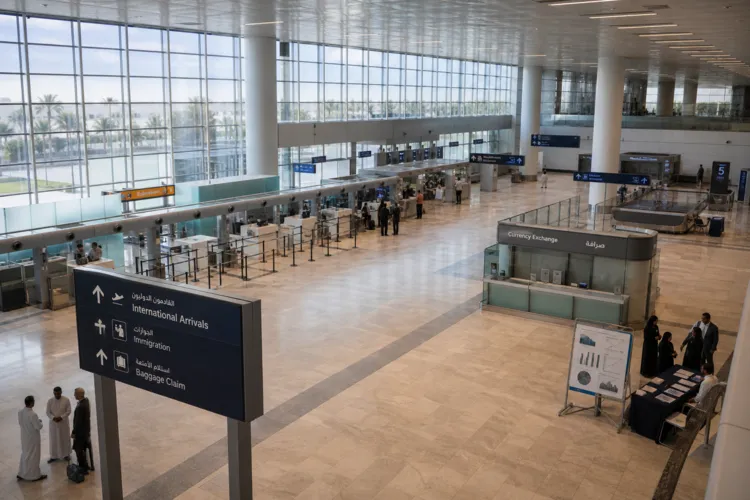
Connectivity is an enabling investment theme. Access to AMAALA is facilitated through Red Sea International Airport, with direct flights cited from Doha, Dubai, Jeddah, and Riyadh, and a European route expected soon. AlWajh Airport is scheduled to reopen in 2026 after renovations aimed at enhancing connectivity. Separately, Red Sea International Airport is targeting a 50:50 balance between domestic and international travelers by 2026, and it emphasizes sustainability initiatives including sustainable aviation fuel and renewable energy. For diving operators, more routes and a higher international share can support season planning, instructor recruitment cycles, and equipment logistics while reducing reliance on a single source market.
Investor opportunity is also shaped by shifting funding realities. Reporting on Saudi Arabia’s Vision 2030 strategy update says the Public Investment Fund is reducing government funding for large-scale tourism projects such as Neom and the Red Sea Destination, with tourism initiatives expected to seek more private-sector involvement. That creates openings for private operators and service partners that can plug into destination demand without waiting for full government build-out. At the same time, the first phase of RSG’s Red Sea development is described as having SAR 51.04 billion invested and ultimately including nine resorts with over 1,600 keys, while Vision 2030-linked goals cited include creating 50,000 jobs and contributing SAR 11 billion to GDP—signals of scale that can support specialist diving businesses beyond the resort core.
Practical plays beyond reef resorts include: (1) certified training pipelines tied to PADI course delivery and instructor staffing; (2) conservation and heritage dive programming that matches the stated regenerative positioning; and (3) multi-activity itineraries that bundle diving with guided paddlesports and sailing as described in RSG’s experiences. Investors can also evaluate premium demand channels, because private aviation is described as a significant component of Red Sea International Airport’s operations. The winning approach is to build scalable, safety-forward dive operations that integrate with resort concierge systems, airport growth, and the destinations’ environmental commitments—so the business is more than “a boat and a reef.”
What is “red sea diving tourism” in the Saudi context?
Which on-the-water products are explicitly offered for investors to benchmark?
How does airport access support diving-led business models?
What are the key sustainability targets investors should align with at AMAALA?
Why are opportunities expanding beyond reef resorts right now?
Talk to us for your needs in:
-
Tourism Infrastructure Planning and Optimization
-
Destination Marketing and Brand Strategy
-
Tourism Workforce Development and Training
-
Sustainable Tourism Solutions
-
Visitor Experience Enhancement and Engagement
-
Tourism Project Feasibility and Strategic Planning
-
Saudi Tourism Benchmarking