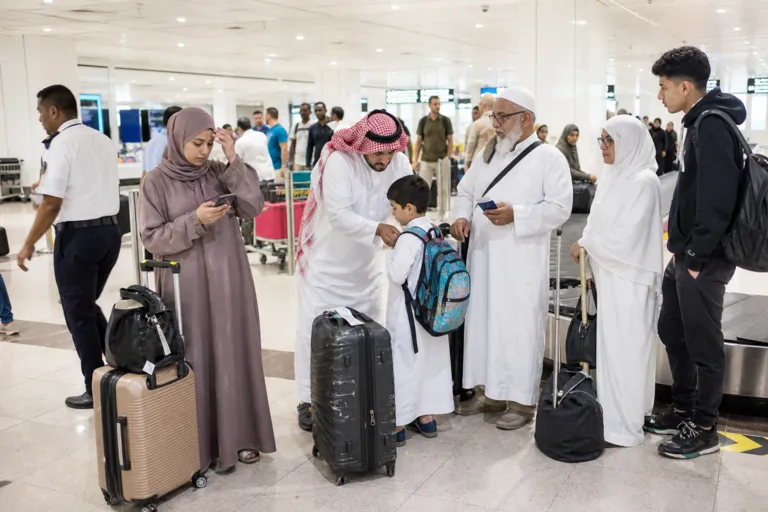
The opportunity for halal tourism saudi arabia starts with scale. Skift reports the global Muslim travel market is projected to reach $235 billion by 2030. The same source frames halal travel around practical needs such as halal-certified food, access to prayer spaces, and accommodations aligned with Islamic values. It also notes a widely cited Muslim travel index that ranks 145 destinations worldwide using four factors: Access, Communication, Environment, and Services. For Saudi Arabia, the sizing conversation is not abstract. It connects directly to what the Kingdom already does at massive volume: pilgrimage, visiting friends and relatives (VFR), and travel from nearby growth markets.
Saudi tourism volume is already large, and it is still growing. Consultancy-me reports the Kingdom hosted 116 million visitors in 2024 and generated 284 billion Saudi Riyals in spending. It adds that domestic travel was the backbone of demand with 86.2 million trips in 2024, and that international tourism surpassed 2019 levels by approximately 70%. Skift separately reports 122 million domestic and international visitors in 2025 (a 5% year-over-year increase), with tourism spending rising 6% to nearly 300 billion riyals. These figures matter for halal tourism because they show consistent baseline demand that can be served with Muslim-friendly services, not only one-off marketing pushes.
Here is a simple, sourced snapshot of tourism spending values that help frame market momentum: 284 billion Saudi Riyals in 2024 and nearly 300 billion riyals in 2025. Skift also includes the 2025 value in parentheses as ($81 billion), but the chart below keeps one unit for consistency. This is not a “halal-only” spending chart. It is overall tourism spending. Still, it gives context for the revenue pool that halal-ready products can compete within, especially when combined with religious travel’s dependable flows.
Why Saudi Arabia’s Halal Advantage Is Structural, Not Trendy
Skift argues Saudi Arabia’s biggest strategic advantage is what it already possesses: the world’s largest annual religious gathering and guaranteed annual visitation for Umrah, plus substantial VFR traffic. That structural demand aligns naturally with halal travel expectations. Skift also cautions against an intense focus on courting Western tourists, saying the real opportunity is tied to proximity to Asia’s emerging middle class and the region’s future role in global tourism. Separately, Skift reports religious tourism remains the bedrock of the Saudi travel economy, and the Kingdom aims to host 30 million Umrah pilgrims annually by 2030, up from roughly 19 million pre-pandemic. For halal tourism positioning, that is a clear, measurable demand anchor.
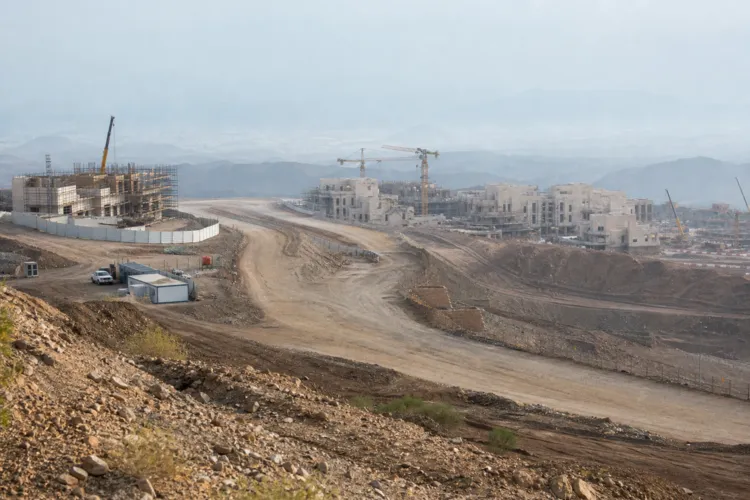
Saudi goals and supply dynamics also shape the halal tourism experience on the ground. Skift notes Vision 2030’s target of 150 million visitors, with a stated split of 80 million domestic and 70 million international. On the hospitality side, Hospitality Net reports around 61% of existing hotel inventory is concentrated in luxury and upper-upscale segments, and nearly 78% of new rooms through 2030 are planned at the higher end. That creates an opportunity to rebalance toward mid-market stays as travel patterns evolve. In parallel, Skift reports around 252,000 keys have been announced, planned, or are under construction for delivery by 2030 in Makkah and Madinah, and Neom is set to provide roughly 80,000 keys as it prepares for the 2029 Asian Winter Games. For halal tourism, the implication is simple: growth needs to match how Muslim travelers actually travel, across price points and trip types.
What does “halal tourism saudi arabia” mean in practice?
How big is the global Muslim travel opportunity mentioned in the sources?
What is Saudi Arabia’s Umrah target connected to halal tourism growth?
What do the sources say about Saudi tourism performance in 2024 and 2025?
How does hotel supply mix affect Muslim-friendly travel in Saudi Arabia?
Talk to us for your needs in:
-
Tourism Infrastructure Planning and Optimization
-
Destination Marketing and Brand Strategy
-
Tourism Workforce Development and Training
-
Sustainable Tourism Solutions
-
Visitor Experience Enhancement and Engagement
-
Tourism Project Feasibility and Strategic Planning
-
Saudi Tourism Benchmarking