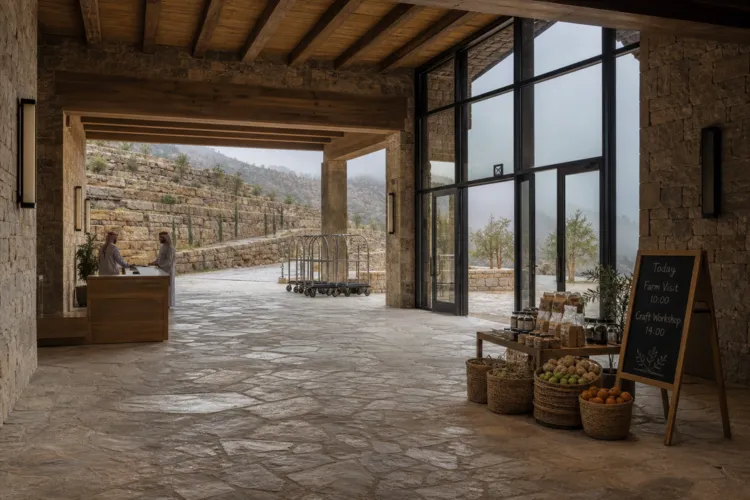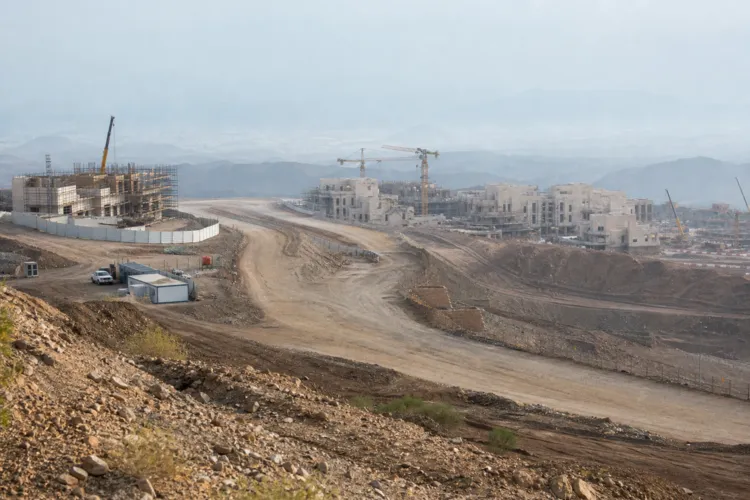
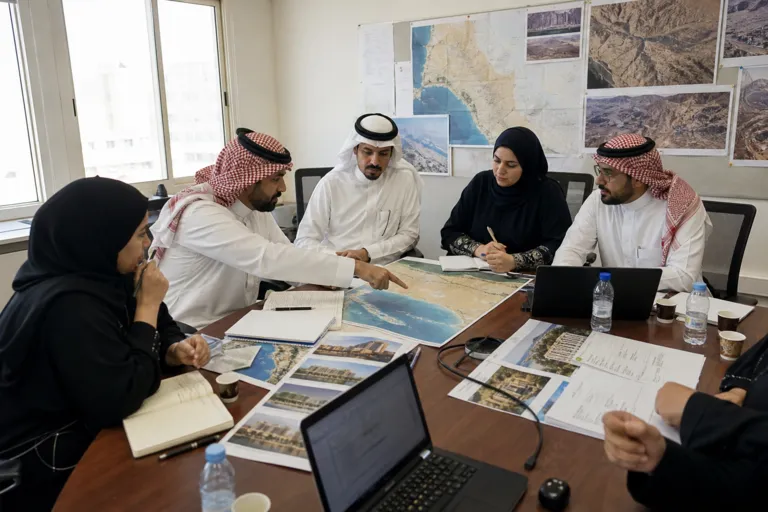
Tabuk region tourism is frequently reduced to a single headline: NEOM. NEOM is described as a region in northwest Saudi Arabia on the Red Sea, being built “from the ground up” as a living laboratory and positioned as a destination and a home for people who want to build new models for liveability and business. That story matters for tabuk tourism investment because it sets expectations for experience-led development, entrepreneurship, and environmental conservation. At the same time, investors increasingly need to read Tabuk through wider Saudi tourism signals, not only through megaproject branding.
Some of the clearest signals come from how Saudi Arabia frames tourism nationally. A study cited by Consultancy-me states that tourism contributed 12.4% of Saudi Arabia’s GDP in 2024. The same source links the push to the 2019 National Tourism Strategy within Vision 2030, and it emphasizes sustainability, environmental protection, social inclusion, and responsible investment. It also notes a localization plan covering 41 professions in the tourism sector, introduced by the Ministry of Human Resources and Social Development in coordination with the Ministry of Tourism. For Tabuk, these themes translate into projects that can show ESG intent and build Saudi talent pipelines.
Beyond NEOM: Demand Drivers and a Changing Funding Mix
Tabuk’s outlook also sits inside a broader hospitality investment narrative: diversification beyond pilgrimage travel and a shift toward experience-focused development. Hospitality Net commentary highlights that the wider opportunity extends beyond Makkah and Madinah, and points to new destinations showcasing natural landscapes, heritage, coastal assets, and entertainment offerings. Yet funding dynamics are shifting. Skift reported that Saudi Arabia is scaling back Public Investment Fund financing for major tourism projects like Neom, with priorities reshuffled toward AI infrastructure, and that future tourism investment is expected to come more from the private sector. For tabuk tourism investment, this raises the bar on clear demand cases and operator-ready execution.
NEOM still anchors the “why here” narrative for northwestern Saudi Arabia, and it continues to attract strategic partnerships. A PRNewswire report says WuXi AppTec signed two strategic memoranda of understanding with NEOM and Saudi Arabia’s Ministry of Health. That matters indirectly for tourism because it signals broader ecosystem building, not only leisure assets. Tourism Review also describes NEOM as a megaproject that started in 2017 as a $500 billion region on the Red Sea, and it adds context on The Line as a proposed 170 km linear city that is 200 meters wide. It also notes major events tied to the national image, including the 2034 FIFA World Cup and the 2029 Asian Winter Games at Trojena in NEOM.
For investors, performance signals across Saudi Arabia and the wider Middle East help frame risk and upside, even when they are not Tabuk-specific. Hotel News Resource reports that international visitor spending in Saudi Arabia rose by 8.2%, and business travel spending increased by over 55%. It also states that Saudi Arabia accounted for $178 billion in GDP from travel and tourism, representing 46% of the region’s total sector output, and that Saudi Arabia’s travel and tourism GDP grew by 7.4% in 2025. These indicators support a thesis that tabuk tourism investment can be built around mixed demand: leisure narratives alongside meetings, events, and investment-driven travel.
Execution, though, must stay grounded. Skift commentary warns that circulated visitor and investment numbers do not always match reality and that inflated metrics can undermine business decisions. At the same time, Tourism Review reports plans to build 320,000 new hotel rooms by 2030, explicitly tied to meeting demand from international visitors. Put together, Tabuk region tourism beyond NEOM becomes a practical investment question: who will fund, what experience will differentiate, and how will projects prove demand without leaning only on megaproject momentum. In this environment, credible, purpose-aligned development becomes the safest competitive advantage.
What does “tabuk tourism investment” mean beyond NEOM headlines?
What is NEOM, based on published descriptions?
What shift did Skift report about tourism funding for projects like Neom?
Which tourism and hospitality workforce detail is stated in the sources?
What national tourism performance indicators are reported in the sources?
Talk to us for your needs in:
-
Tourism Infrastructure Planning and Optimization
-
Destination Marketing and Brand Strategy
-
Tourism Workforce Development and Training
-
Sustainable Tourism Solutions
-
Visitor Experience Enhancement and Engagement
-
Tourism Project Feasibility and Strategic Planning
-
Saudi Tourism Benchmarking