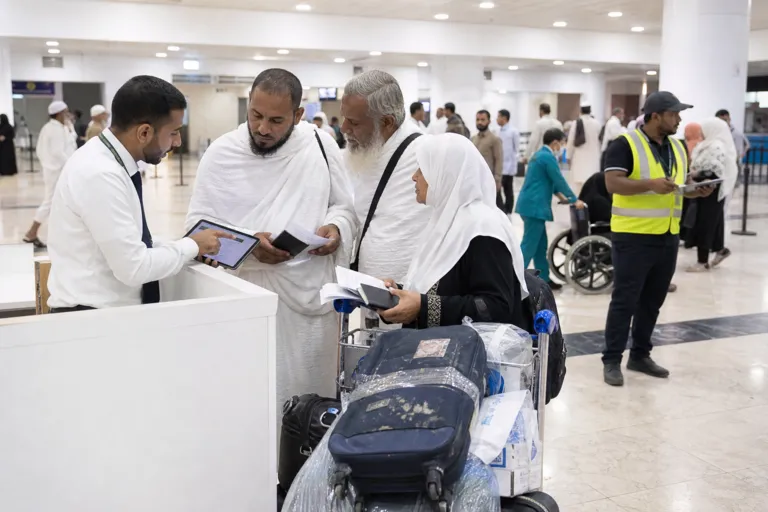
Saudi Arabia is turning umrah year round tourism into a long-horizon investment theme. The latest Vision 2030 progress report cited 29.7 million international visitors last year. Of those, 16.9 million arrived for Umrah, which is performed year-round. In the same period, 1.61 million completed Hajj, which is bound to specific days on the Islamic calendar. This split matters for investors. It points to steadier demand patterns outside fixed peak dates, and it supports projects that can operate across more months rather than relying on a single season.
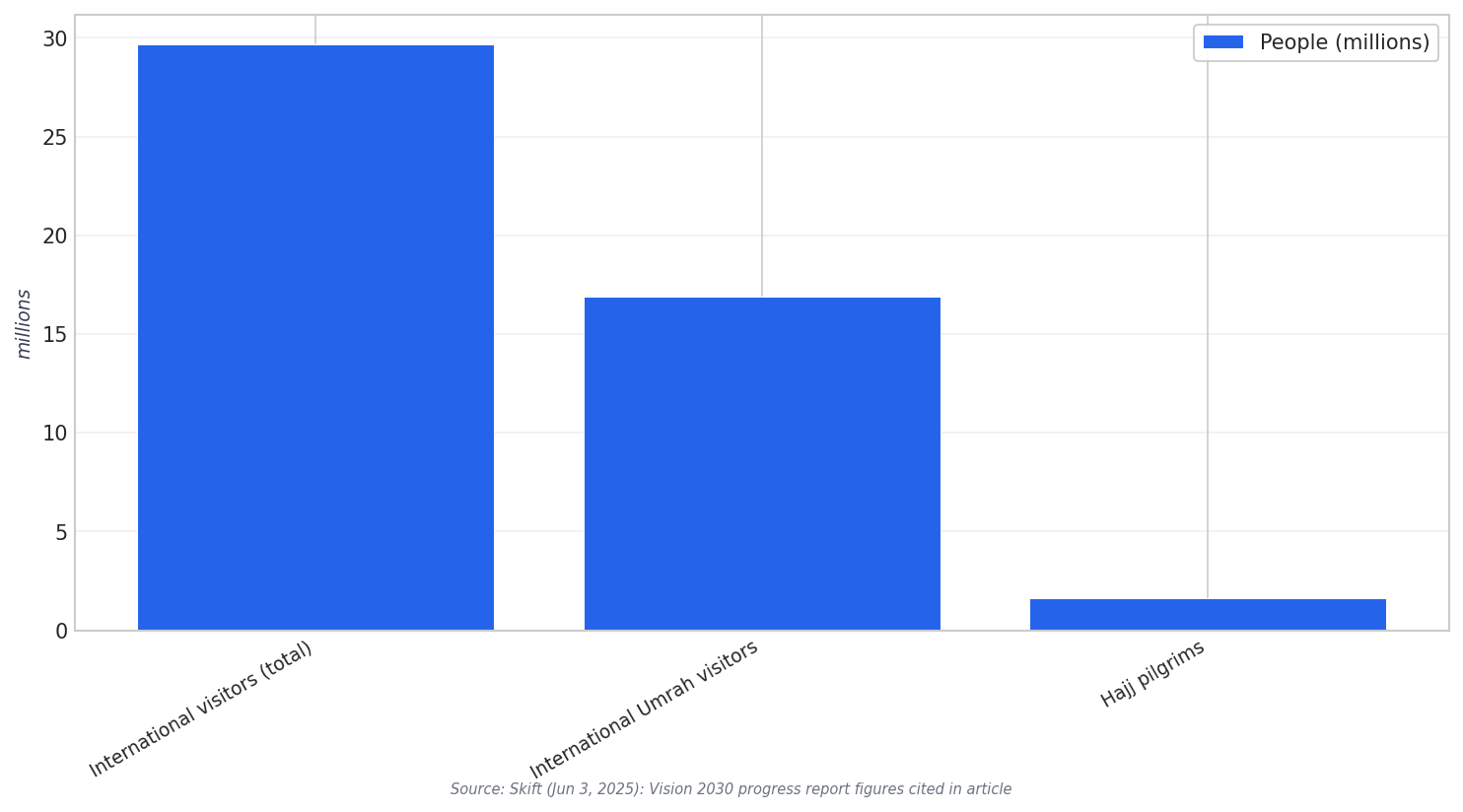
The policy ambition is explicit. By the end of the decade, Saudi Arabia hopes to bring in 30 million religious tourists annually. Skift also reported that the kingdom aims to host 30 million Umrah pilgrims annually by 2030, up from roughly 19 million pre-pandemic. That goal is tied to visible development in the holy cities, with Skift describing multibillion-dollar developments across Makkah and Madinah. The investment logic is simple. If demand is expected to grow and capacity is being built, opportunities expand across hotels, services, and experiences designed around pilgrimage travel.
Supply growth is being quantified in the hotel pipeline. Knight Frank said around 252,000 keys have been announced, planned or are under construction and due to be delivered by 2030 in Makkah and Madinah. At the national level, Saudi Arabia is poised to deliver 362,000 new hotel rooms by 2030, according to Skift. At the same time, 78% of the upcoming hotel supply is concentrated in the luxury and upscale tiers, and Skift flagged a need to rebalance the pipeline toward mid-scale and budget-conscious travelers, particularly religious pilgrims. This creates a clear positioning gap for operators and investors who can serve value-driven pilgrims without diluting standards.
Where Investors Can Win in the New Calendar
Developers and advisors are also pushing for “Umrah Plus” concepts that extend stays and spending. Skift quoted a view that religious tourism should blend with cultural offerings, describing cultural tours designed to extend length of stay and average spend. At the Future Hospitality Summit in Riyadh, Certares managing director Amin Ismail called religious travel “low-hanging fruit” with natural demand already present, and he emphasized packaging religious visits with other experiences. He gave an example of someone attending a MICE event and extending their trip for Umrah or visiting other destinations. For investors, packaging creates attach-rate opportunities in transport, guided experiences, food, and add-on nights, not only room revenue.
Year-round demand also depends on systems that can absorb growth. HospitalityNet described government investments exceeding hundreds of billions of dollars supporting infrastructure such as airports, transport networks, and public utilities, and said this enhances readiness, enables year-round demand, and strengthens long-term investment viability. It also pointed to regulatory modernization, including clearer governance structures, faster licensing processes, and improved coordination among authorities, which reduced development timelines and mitigated regulatory risk. Separately, Consultancy-me.com cited regulatory clarity through the Tourism Law and an expanding electronic visa system to facilitate international arrivals. Together, these conditions can lower friction for projects designed around continuous pilgrimage flows.
The domestic-and-inbound scale is rising in parallel, which helps smooth occupancy and supports more formats. Skift reported Saudi Arabia had 122 million domestic and international visitors in 2025, a 5% increase year over year, based on Ministry of Tourism figures. It also reported tourism spending gained 6% to nearly 300 billion riyals ($81 billion). These totals are broader than pilgrimage alone, but they matter because they signal a larger tourism economy that can support mixed demand. The practical takeaway is to underwrite umrah year round tourism assets with multiple demand layers, while still designing products and price points that fit pilgrims.
What does “umrah year round tourism” mean in Saudi Arabia?
How big is the current Umrah and Hajj visitor base in the sources?
What is Saudi Arabia targeting for religious tourism by 2030?
What hotel-supply signals support investment in Makkah and Madinah?
Where is the product gap in the upcoming hotel pipeline?
Talk to us for your needs in:
-
Tourism Infrastructure Planning and Optimization
-
Destination Marketing and Brand Strategy
-
Tourism Workforce Development and Training
-
Sustainable Tourism Solutions
-
Visitor Experience Enhancement and Engagement
-
Tourism Project Feasibility and Strategic Planning
-
Saudi Tourism Benchmarking