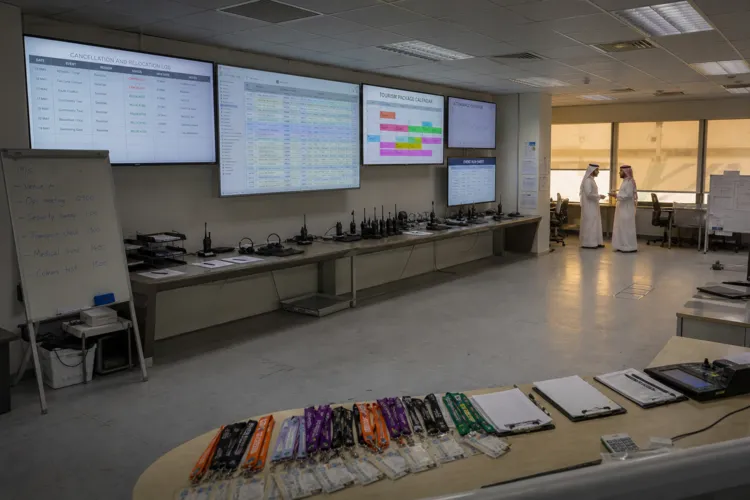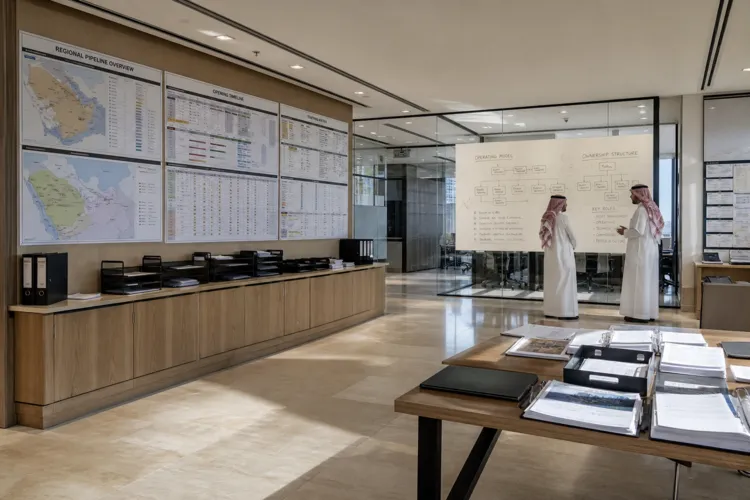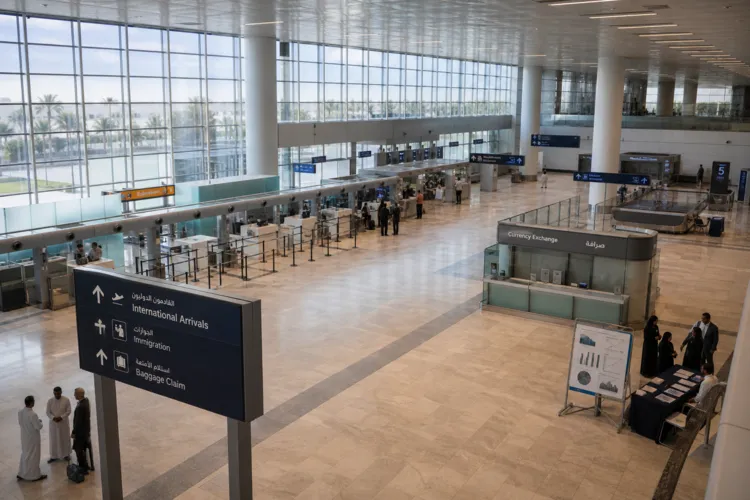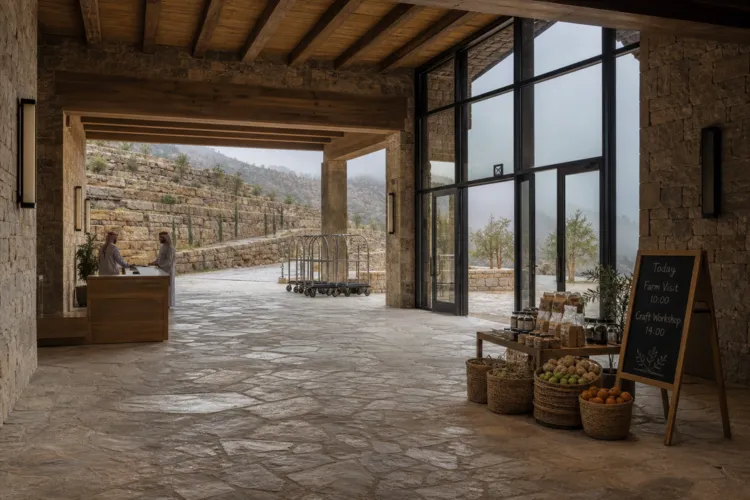
AI is no longer a side experiment in travel. A PwC Middle East report framed AI as reshaping how tourism and hospitality operate and grow, and described it as powering smarter and more sustainable destinations across the Middle East. The same report, produced with the Future Hospitality Summit, focuses on using AI to anticipate guest preferences, optimize operations, and support sustainability goals, based on a regional survey of leaders across hotels, travel, investment, and government. In that context, ai in saudi tourism is about more than adding tools. It is about using AI to change how destinations and operators compete through relevance, timing, and service design.
Saudi Arabia is also placing AI inside broader tourism collaboration. The Agentic Tourism Initiative was announced as taking flight from the Kingdom, with the Minister of Tourism describing a protocol that anchors AI in empathy and cultural intelligence to enhance the traveler experience and help destinations grow sustainably, inclusively, and with purpose. Founding members listed for the initiative include HUMAIN, alongside Globant, Red Sea Global, Riyadh Air, King Salman International Airport, World Travel & Tourism Council, Amazon Web Services, Salesforce, Hollibob, and Trip.com. For visitors, this kind of coalition signals a push toward shared technical approaches, not just isolated pilots, so personalization can be delivered more consistently across touchpoints.
Where Personalization Really Happens: Intent, Context, and Operations
Personalization starts earlier than many brands expect. One hospitality technology viewpoint describes how the traveler journey begins in fragments of intent, and argues that AI is increasingly able to read weak signals at scale by combining behavioral data such as browsing patterns, destination interest, and search activity. That shifts marketing away from targeting defined audiences and toward capturing moments of intent as they emerge, focusing efficiency on precision. Another perspective aimed at destination organizations adds that, as AI tools pull from wide data sources to make recommendations, clear, high-quality destination information that is rich, structured, and up to date becomes essential. The practical takeaway is that relevance, not mere visibility, determines whether a destination is considered.
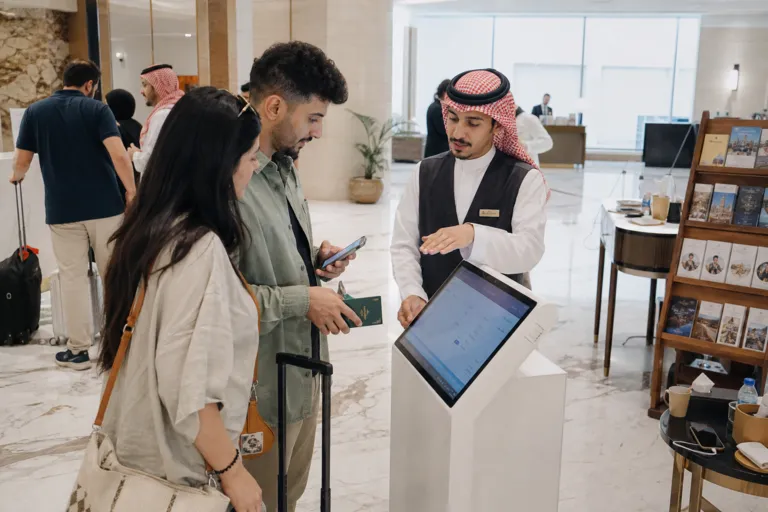
On-property and in-destination, AI-driven service is also changing how requests turn into tailored moments. The same hotel-journey analysis describes AI concierges handling routine requests instantly to remove friction from basic interactions, while context drives more adaptive engagement in real time. A simple dining question can trigger personalized recommendations, and operational moments can become opportunities for relevant offers. Yet Saudi operators are also being cautioned not to confuse personalization with a single feature. A separate Saudi-focused argument says the sector does not need more isolated AI tools, but a demand operating model, and points to event-aware forecasting because the event calendar is described as the demand architecture in Saudi Arabia.
That emphasis on forecasting connects to operator playbooks that are already emerging. One hotel-operations guide highlights forecasting as an exciting opportunity, imagining systems that connect occupancy numbers to hiring patterns, event schedules, and even behavioral science, with the “holy grail” described as flexible, local, and smart enough to identify trends and anomalies. It also suggests practical starting points such as using AI to connect performance variances to significant events, weather disruptions, or school calendars, and importing guest reviews into AI tools to spot trends and build service action plans. In Saudi settings shaped by calendars and seasons, these approaches support personalization by segment, not just personalization by message.
Visitor expectations also shape how ai in saudi tourism must be delivered. A Newsweek AI travel-planning piece argues that travelers are comfortable following AI guidance, but remain cautious about outdated information, privacy, and generic results that do not reflect their preferences. It describes a shift from browsing to delegating, where travelers let AI narrow choices and then confirm with traditional sources. That aligns with hotel and destination advice that structured, accurate content influences how AI presents options, and with the push for protocols that are inclusive and secure. The result is a personalization race grounded in trust: accurate, current, and culturally intelligent outputs that feel specific to the traveler.
What does “ai in saudi tourism” mean in practice?
What is the Agentic Tourism Initiative and how is HUMAIN involved?
How are hotels using AI to personalize guest experiences on-site?
Why is event-aware forecasting emphasized for Saudi hospitality operators?
What can reduce trust in AI-based travel planning?
Talk to us for your needs in:
-
Tourism Infrastructure Planning and Optimization
-
Destination Marketing and Brand Strategy
-
Tourism Workforce Development and Training
-
Sustainable Tourism Solutions
-
Visitor Experience Enhancement and Engagement
-
Tourism Project Feasibility and Strategic Planning
-
Saudi Tourism Benchmarking