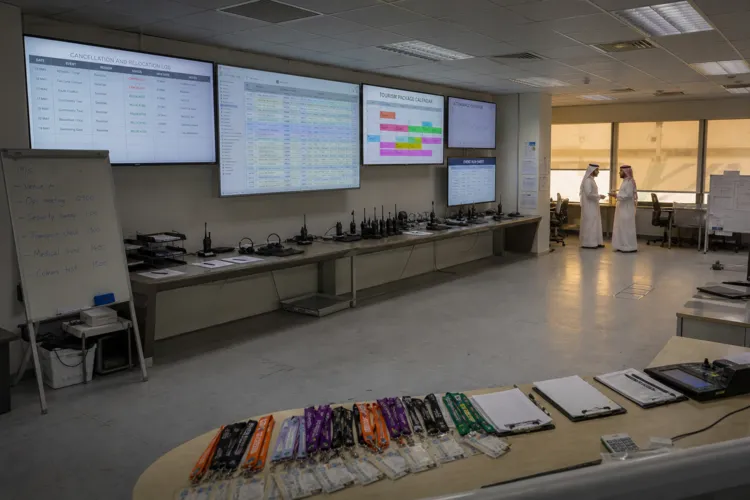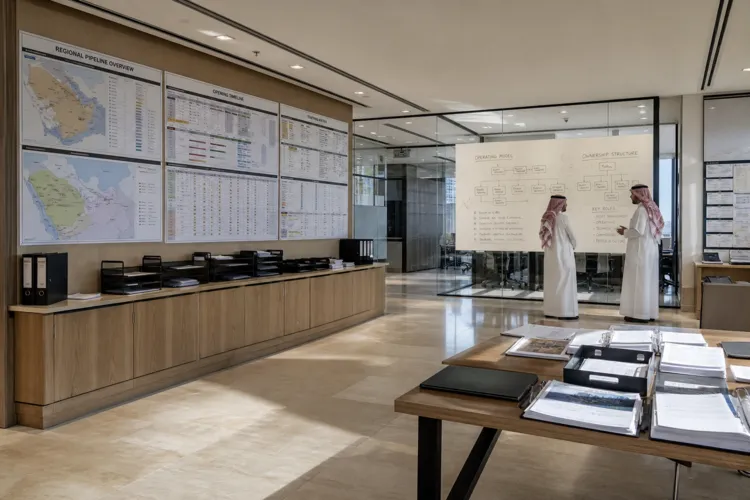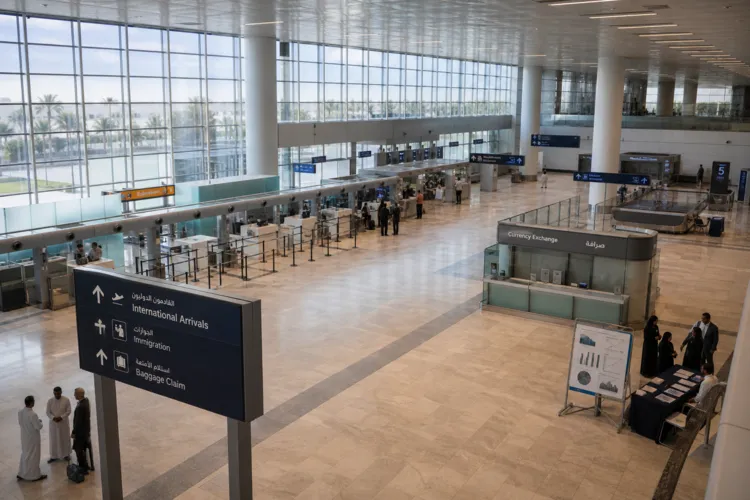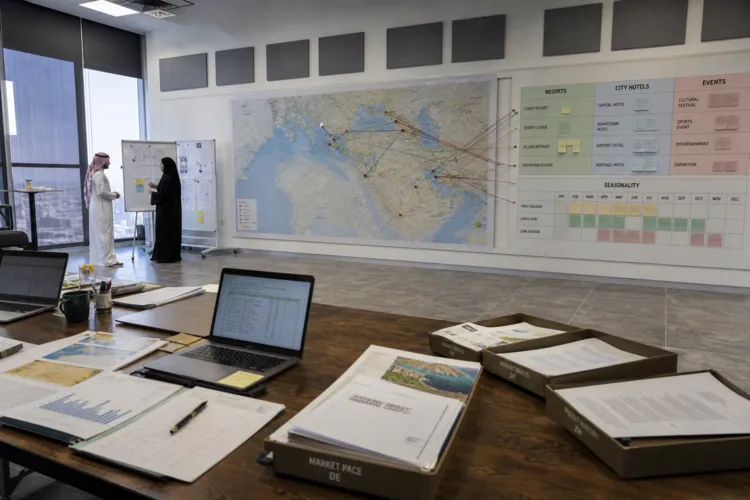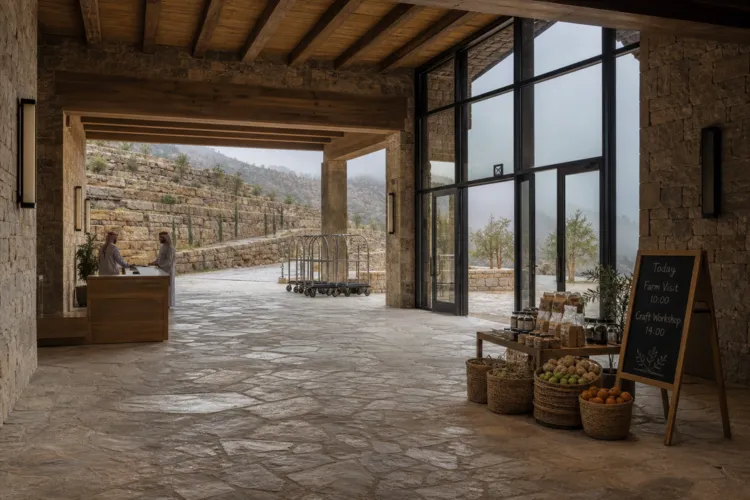
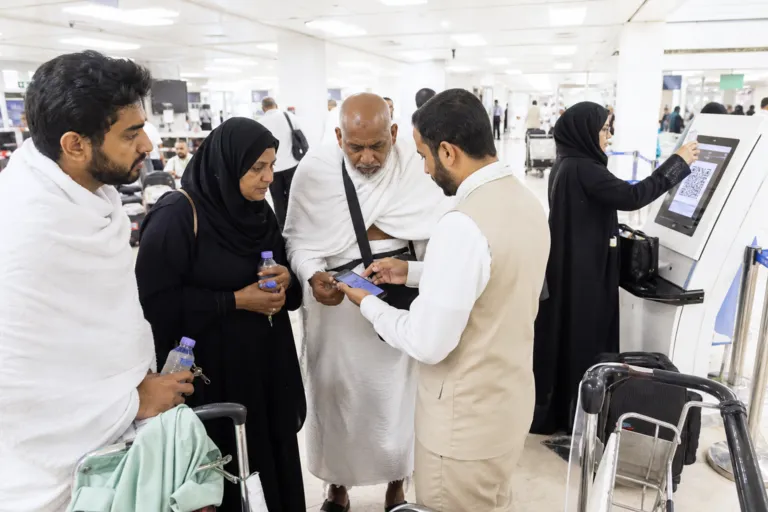
Religious tourism will remain a fundamental pillar of Saudi Arabia’s hospitality sector, particularly in Makkah and Madinah. At the same time, the wider opportunity now extends beyond pilgrimage travel. Riyadh is strengthening its position as a business, events, and lifestyle capital. Jeddah is evolving as a gateway city with leisure and cultural appeal. New destinations are introducing global travelers to natural landscapes, heritage, coastal assets, and entertainment. For operators, that backdrop shapes how to interpret the nusuk platform saudi arabia conversation: a religious core operating inside a broader, increasingly digital visitor economy.
Operators planning distribution and operations need to align to the scale and structure of demand described in recent reporting. Preliminary 2025 data cited by Saudi’s Ministry of Tourism in one report says Saudi Arabia hosted about 122 million domestic and international visitors, including roughly 29.7 million inbound international tourists and 86.2 million domestic trips. The same source says international numbers rose by 8 percent and domestic trips increased by 5 percent, with about SR300 billion ($80 billion) in spending, 6 percent higher than the previous year. Another industry view also cites 122 to 123 million visitors in 2025 and SAR 300 billion in spending. These figures underline why digital flows matter operationally.
What the Digital Stack Means for Operators
Across hospitality investment commentary, technology is framed as defining the next phase of growth. Digital booking journeys, smart-room features, data-led personalization, operational automation, and artificial intelligence are described as essential tools to improve guest satisfaction and profitability, while still preserving human service. In parallel, GCC-wide tourism commentary highlights an urgent push toward a fully digital and integrated visitor experience, and a connected, intelligent tourism ecosystem aligned with national strategies such as Saudi Vision 2030. In practice, this is the environment in which the nusuk platform saudi arabia topic sits, and it raises expectations for end-to-end, operator-ready processes.
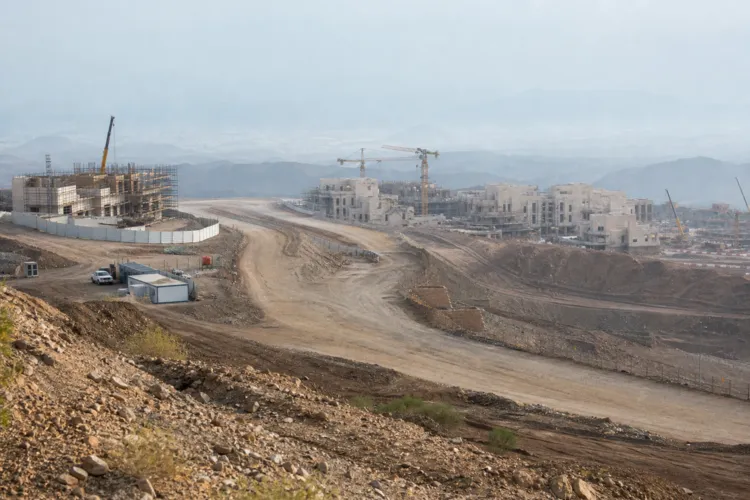
Capacity planning adds another operator constraint: the pipeline is large and heavily skewed upward. One report states Saudi Arabia is poised to deliver 362,000 new hotel rooms by 2030. Another notes around 61 percent of existing hotel inventory is concentrated in luxury and upper-upscale segments, and nearly 78 percent of new rooms through 2030 are planned at the higher end, despite rising demand for mid-market accommodation. Operators targeting religious and domestic travelers should pay attention to this structural gap, because mid-scale and budget-conscious guests are repeatedly described as a backbone segment, including religious pilgrims and domestic families.
Religious demand is also presented as a long-run anchor alongside mega events and diversification. Saudi Arabia is hosting events including the 2027 Asian Cup, World Expo 2030, and the 2034 FIFA World Cup. Yet religious tourism remains the bedrock, with an aim to host 30 million Umrah pilgrims annually by 2030, up from roughly 19 million pre-pandemic. Separately, mega destination development is positioned as a way to extend stays and lift yield. For operators, the takeaway is operational flexibility: different segments show different booking windows, price sensitivity, cancellation behavior, and seasonality sensitivity.
Execution, not just ambition, is the operator test. Commentary on Saudi’s tourism trajectory argues the strongest opportunities come from leveraging what Saudi already possesses, including religious tourism and substantial visiting friends and relatives traffic, rather than over-focusing on Western tourists. At the same time, investment commentary stresses systems designed to absorb growth year-round. Operators interpreting the nusuk platform saudi arabia landscape can treat it as a signal of tighter integration between policy, access, and visitor flows, and should prioritize tech-enabled efficiency that still lets teams deliver warmer, more personalized service on the ground.
What does the nusuk platform saudi arabia shift mean for operators?
How big was Saudi tourism demand in 2025 according to the cited reporting?
What hotel supply imbalance should operators watch?
Why does religious tourism still shape planning decisions?
Talk to us for your needs in:
-
Tourism Infrastructure Planning and Optimization
-
Destination Marketing and Brand Strategy
-
Tourism Workforce Development and Training
-
Sustainable Tourism Solutions
-
Visitor Experience Enhancement and Engagement
-
Tourism Project Feasibility and Strategic Planning
-
Saudi Tourism Benchmarking