Saudi tourism is expanding, and sustainability is moving from ambition to implementation. A Strategic Gears study cited by Consultancy-me.com says tourism contributed 12.4% of Saudi Arabia’s GDP in 2024. The same report describes a sector-wide shift into performance measurement around ESG principles. That matters for aviation because air access is a practical requirement for scaling destinations, and because aviation emissions are increasingly part of how the visitor economy is judged. In this context, sustainable aviation fuel (SAF) becomes both a decarbonization tool and a signal of how quickly aviation can align with sustainability expectations.
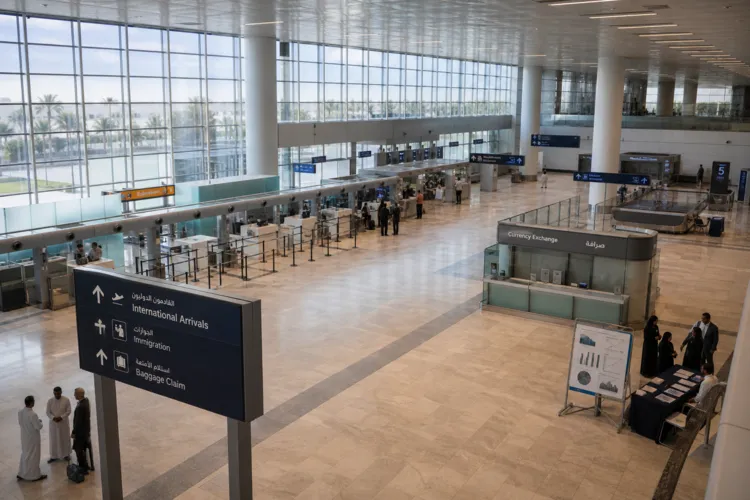
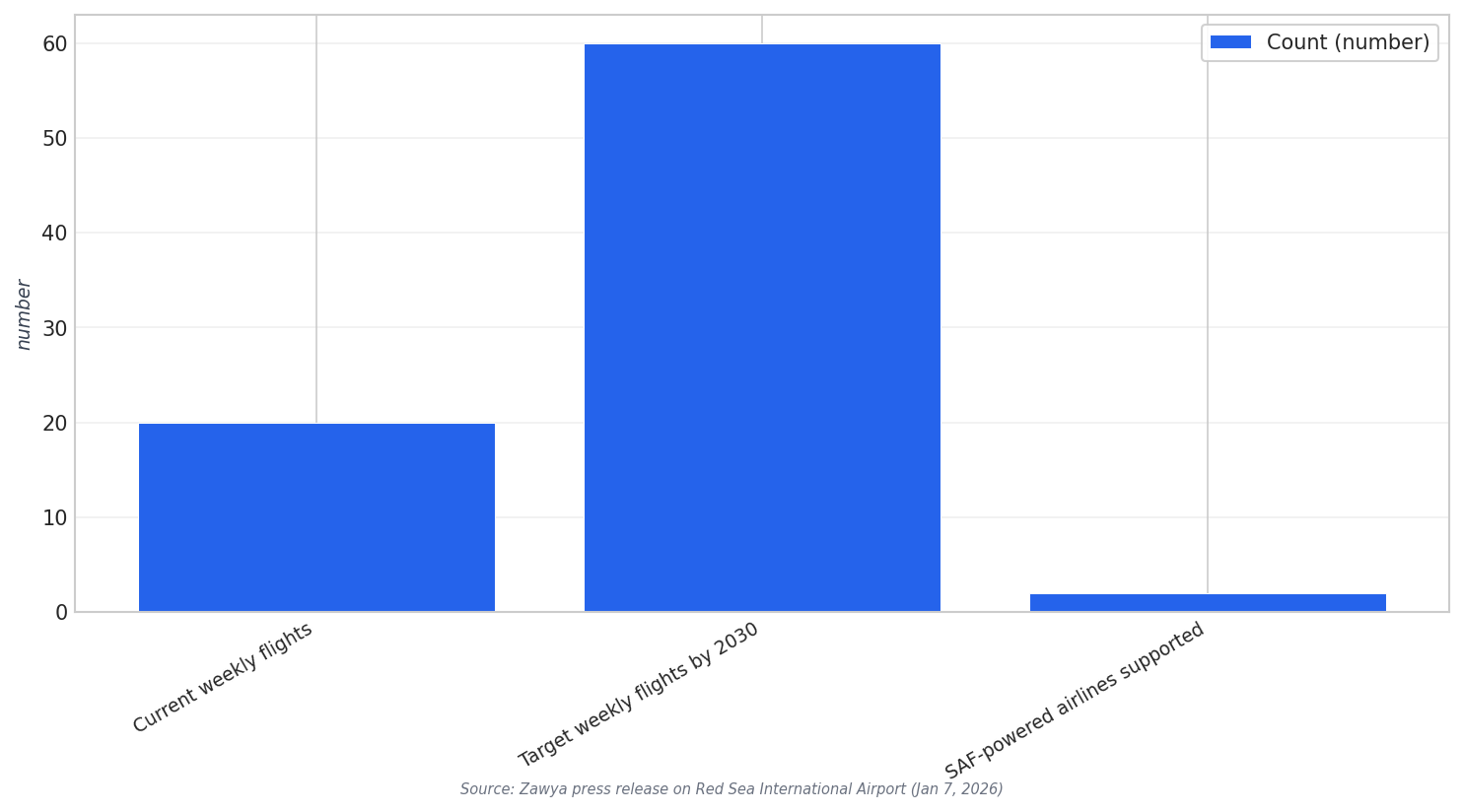
A visible Saudi example sits on the west coast. A Zawya press release says Red Sea International Airport (RSI) became the first airport in Saudi Arabia to supply Sustainable Aviation Fuel (SAF). The same source says the airport expanded its impact by supporting two airlines with SAF-powered operations. RSI links this to advancing aviation decarbonization and guiding the industry toward lower-emission travel. For tourism, these kinds of steps can help align the travel experience with a destination narrative that emphasizes environmental stewardship, especially as Saudi Arabia showcases natural and cultural heritage sites and increases the use of clean energy across the sector.
Connectivity is the other half of the tourism equation, and RSI provides concrete targets. The airport currently operates 20 weekly flights, and it aims to expand to 60 weekly flights by 2030, according to the same Zawya release. This expansion goal is framed around demand growth and regional connectivity objectives, and it is presented alongside sustainability initiatives supporting Saudi Vision 2030. In practice, higher flight frequency improves access, but it also raises the importance of credible decarbonization levers, including SAF availability at the point of fueling.
Decarbonization vs. Cost: What the SAF Debate Signals
The global SAF backdrop is challenging, and it shapes expectations for any market. Skift reports that SAF currently accounts for 0.7% of aviation’s fuel needs, and highlights cost, infrastructure gaps, and unresolved sustainability questions as constraints. Travel Weekly also cites IATA figures showing SAF production will be 634 million gallons this year and an estimated 800 million gallons next year, with a 26% percentage growth next year. Yet, the same IATA estimates in Travel Weekly say SAF is just 0.6% of global jet fuel consumption this year and is expected to rise to 0.8% next year, showing how growth can still translate into small overall share.
Cost pressure is a key issue for airlines that connect tourism markets. Travel Weekly reports IATA says SAF prices in the U.S. are approximately five times conventional kerosene-based jet fuel, and there is an additional price premium of approximately 20% in the EU and U.K. The same Travel Weekly coverage notes IATA opposition to mandates in the U.K. and EU requiring SAF to account for 2% of fuel supply, and alleges price gouging has diminished demand. Skift also describes jet fuel more than doubling in cost in less than a month, surpassing the peak at the start of the Ukraine war in 2022, underscoring aviation’s exposure to fossil-fuel volatility.
Supply scale remains the practical bottleneck, even when feedstock exists on paper. An IATA study covered by Ethanol Producer argues the main bottleneck is SAF technology rollout, not feedstock availability. It states that with the right policies and investments, more than 300 Mt of SAF from biomass feedstocks could be produced annually by mid-century and around 200 Mt from e-SAF. For Saudi tourism and aviation connectivity, this reinforces a near-term outlook where point solutions, like SAF supply at RSI, can lead locally, while the broader system still faces constraints that affect airline planning, ticket economics, and the pace of decarbonization claims.
What does “sustainable aviation fuel saudi arabia” mean in practice today?
How fast is connectivity expected to grow at Red Sea International Airport?
How big is SAF in global aviation fuel use right now?
What do the sources say about SAF cost pressures for airlines?
How important is tourism to Saudi Arabia’s economy in the sources?
Talk to us for your needs in:
-
Tourism Infrastructure Planning and Optimization
-
Destination Marketing and Brand Strategy
-
Tourism Workforce Development and Training
-
Sustainable Tourism Solutions
-
Visitor Experience Enhancement and Engagement
-
Tourism Project Feasibility and Strategic Planning
-
Saudi Tourism Benchmarking